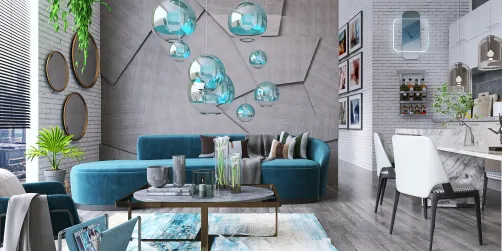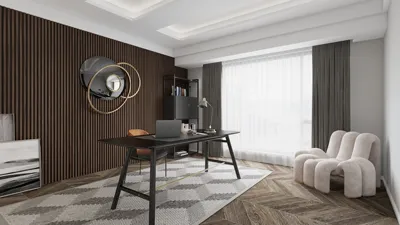



3D rendering serves as an essential instrument across multiple sectors including architecture, interior design, and product visualization. It brings forth significant advantages like improved visualization and lifelike representations. However, there are notable disadvantages that necessitate consideration. Recognizing these challenges aids designers and clients in making enlightened choices for their projects.
Significant Expenses Linked to 3D Rendering
One of the primary drawbacks of 3D rendering is the substantial costs involved in the process. Generating top-quality renderings demands advanced software coupled with potentially costly hardware. Moreover, onboarding experts who can produce intricate and realistic visuals can further inflate expenses. For smaller enterprises or projects constrained by tight budgets, these financial demands can be daunting.
Lengthy Rendering Process
The 3D rendering process can be quite lengthy, especially when it involves designing intricate scenes or animations. The various phases, including modeling, texturing, lighting, and rendering, demand meticulous attention to detail, which could lead to project delays. This can pose a substantial disadvantage for clients seeking swift project completions.
Requirement for Specialized Skills
Another notable drawback is that producing high-caliber 3D renderings often necessitates specialized knowledge and technical acumen. Not every designer or client possesses the expertise needed to effectively create or interpret these visuals. This gap can lead to misunderstandings or dissatisfaction if the final outcome fails to align with the client’s vision.
Risk of Over-dependence on Renderings
An excessive reliance on 3D renderings can create a gap between the visual output and the actual physical space or product. Clients might become excessively absorbed in the aesthetics of the rendering, overlooking practical considerations such as functionality or material choices. This over-dependence may culminate in a final product that appears appealing on screen, yet does not perform adequately in reality.
Limitations of Rendering Technology
Despite substantial technological advancements, limitations remain regarding the accurate rendering of specific materials, lighting situations, or intricate interactions. Such constraints can result in discrepancies between the rendered image and the actual outcome, leading to dissatisfaction for both designers and clients.
Frequently Asked Questions
Q: What are the main drawbacks of utilizing 3D rendering in design? A: The chief drawbacks encompass high costs, extensive time requirements, the necessity for technical expertise, the risk of over-reliance on visual elements, and inherent limitations in rendering capabilities.
Q: How can I alleviate the disadvantages associated with 3D rendering? A: A balanced approach that incorporates both 3D renderings and physical models or prototypes, along with investing in employee training and establishing realistic timelines and budgets, can help mitigate these challenges.
What began as an Autodesk innovation has evolved into a design platform used by more than 20+ million registered users (platform data, 2026) around the globe. Homestyler combines powerful rendering, an intuitive editor, and a vast furniture library to help you turn inspiration into photorealistic designs — whether you're redesigning a single room or planning an entire home.
Welcome to the leading Home Design Software, Homestyler!
Design Now for FREE






















![Design [1]](https://hs-designs.homestyler.com/production/design/images/87c3311f-b762-48e5-aa6c-2a61ff42aaa8/1731347951087/7837764.jpg?x-oss-process=image/resize,w_502,m_mfit/format,webp)