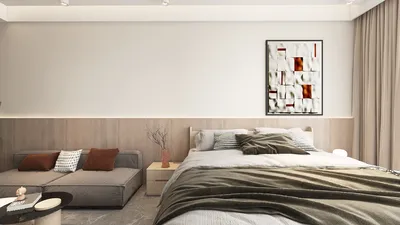


I once had a client who requested a ‘caveman chic’ bedroom — he desired it to be dark, textured, and distinctly different from a hotel ambiance. I applied a midnight blue to one wall, witnessing how beautifully the room evolved; this little experiment highlighted the significance of color in setting a mood. For those dealing with compact or awkward bedrooms, utilizing color serves as a rapid mood changer. I often initiate the design process with a quick 3D sketch to visualize concepts before the roller ever touches the wall.
1. Deep Navy with Sharp White Trim
Deep navy is a favorite of mine as it conveys a masculine feel without being oppressive — it exudes elegance and is surprisingly adaptable. By painting three walls in this dark hue and maintaining the ceiling and trim in crisp white, you create a striking contrast; the white highlights furniture edges and prevents the space from resembling a cave. While it can showcase dust and requires thoughtful lighting planning, navy is also forgiving of scratches and pairs well with leather and walnut.
2. Matte Charcoal for a Contemporary Appeal
Matte charcoal lends a club-like, modern atmosphere that is also tactile; I frequently recommend a low-sheen finish to conceal minor wall imperfections. It harmonizes beautifully with raw metal fixtures and industrial-style lighting, but be cautious as it can easily show fingerprints around switches. A budget-friendly tip: utilize matte for the main walls while opting for satin in high-traffic areas such as entryways.
3. Warm Earthy Green for a Softer Effect
Earthy greens, like olive or forest shades, provide a comfortable, lived-in masculinity, perfect for those who want to avoid an overly stark “moody” aesthetic. I employed this color in a project to seamlessly connect outdoor vistas with leather furnishings; the outcome felt both grounded and serene. When considering an open-concept layout, I typically coordinate paint selections with adjacent spaces, using my own notes and sometimes referring to kitchen layout suggestions for a cohesive flow between areas.
4. Rich Burgundy Accent to Enhance Character
Incorporating a burgundy or oxblood accent wall introduces vintage charm without leaning towards trendy. This bold choice pairs wonderfully with brass fixtures and deep woods. However, it's best used sparingly — a single wall or a ceiling stripe is sufficient to make an impact without overwhelming the room.
5. Two-Tone Design with Textured Finishes
Utilizing a two-tone scheme, with a darker lower section and lighter upper area, adds proportion and structure to a bedroom. I often include a thin molding band or subtle texture to differentiate the tones. This technique is particularly effective in rooms with lower ceilings or small spaces, as it can visually adjust the height perception based on where the darker shade is applied. For bathrooms or connected ensuites, consider a purposeful contrast; I've found that a stylish bathroom contrast can make the entire suite appear curated and unified.
FAQ Section
Q1: What are the best dark paint colors for a masculine bedroom?
A: Reliable options include deep navy, charcoal, and oxblood. I often test large swatches at various times throughout the day before finalizing my choice, as lighting can alter how these colors are perceived.
Q2: Should I go with matte or satin finishes for bedroom walls?
A: I prefer matte for the main walls to conceal imperfections and satin for trims and frequently touched areas. Satin finishes are easier to clean, so mixing the two for practicality is a smart approach.
Q3: How much paint should I purchase for a smaller bedroom?
A: Calculate the wall area (length multiplied by height) and deduct windows and doors; a standard gallon usually covers about 350–400 sq ft per coat. I always recommend buying a bit more for touch-ups later on.
Q4: Can dark paint tones make a bedroom seem smaller?
A: Indeed, dark colors can absorb light, which may create a cozier atmosphere, often desirable. To avoid the room feeling confined, use contrasting trims, mirrors, and layered lighting.
Q5: Are low-VOC paints worthwhile?
A: Absolutely — low-VOC paints minimize indoor air pollutants and are generally healthier. According to the U.S. Environmental Protection Agency (EPA), selecting low-VOC products can significantly enhance the quality of indoor air (see epa.gov for details).
Q6: How should I choose a trim color for dark walls?
A: Crisp white is a timeless trim choice that injects contrast and definition; for a gentler aesthetic, opt for a warm off-white or a deeper neutral that complements your flooring.
Q7: Is it okay to use the same paint color in adjoining rooms?
A: You can, but consider varying finishes or applying the same hue with different values to maintain a visual flow without becoming monotonous. Small adjustments like shifting from matte to eggshell can provide a notable effect.
Q8: What is the best way to effectively test paint colors?
A: I recommend painting 24x36" swatches on multiple walls and observing them throughout morning, afternoon, and evening light. Additionally, it’s wise to live-test with furniture and textiles in the room to evaluate how everything complements each other.
Transform your home with Homestyler! This user-friendly online design platform offers a powerful design tool, stunning 3D renderings, and an array of inspiring design projects. Plus, with DIY video tutorials, you can confidently bring your vision to life. Perfect for every home designer!
Design jetzt kostenlos
































