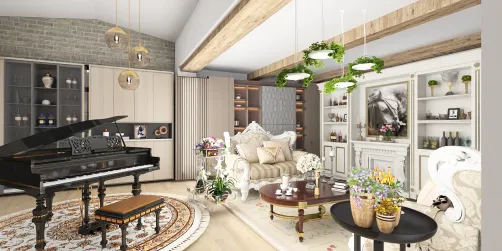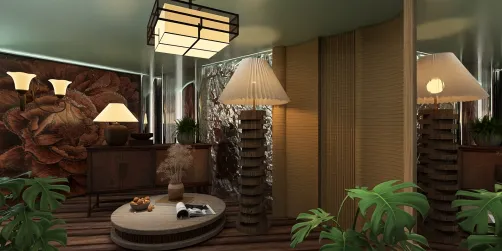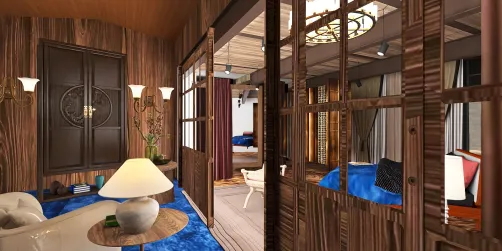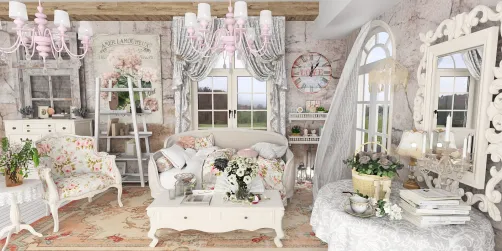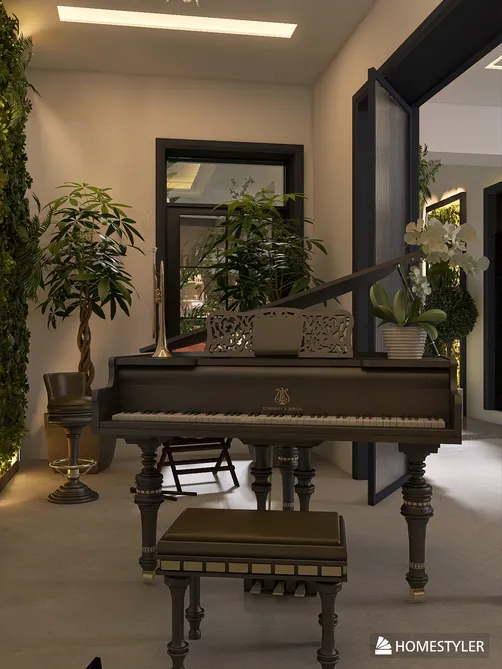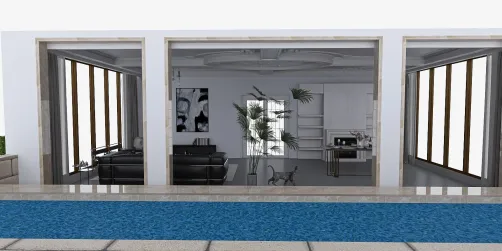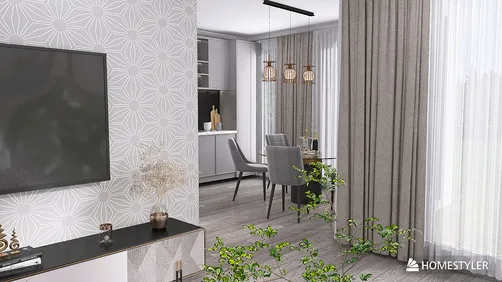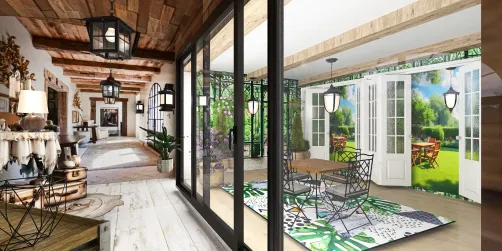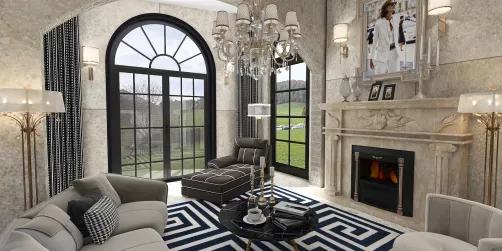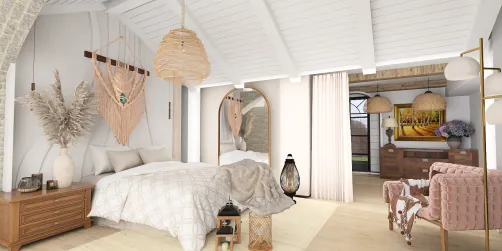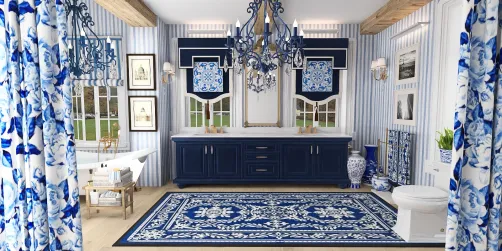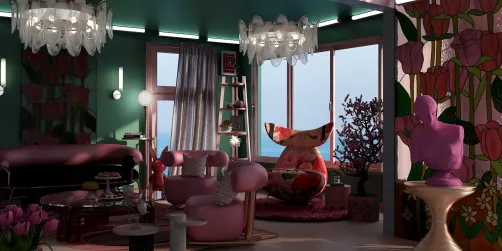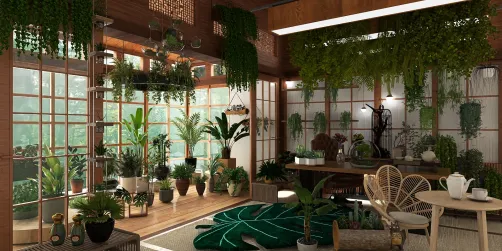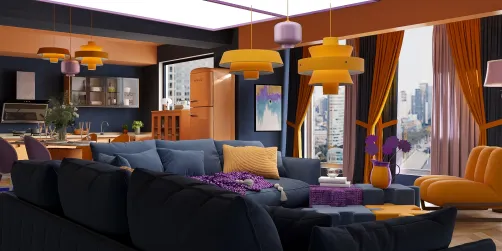
In recent years, I’ve observed a notable shift in my clients' preferences — they increasingly seek vibrant, yet cohesive color combinations for their living rooms. One outstanding duo I adore is green and purple. This pairing is particularly effective in smaller spaces, as it ignites creativity and provides a sense of depth. In this article, I’m excited to present 10 inspiring green and purple living room concepts, sourced from my own design experiences and supplemented by expert advice.
1. Deep Emerald Combined with Plum
My Insight: I once designed a cozy living area in a small apartment, featuring an emerald velvet sofa complemented beautifully by plum drapes. The outcome felt both regal and welcoming.
Benefits: This pairing fosters a luxurious ambiance, especially when enhanced by soft lighting. The darker hues also help conceal minor fabric wear and tear.
Drawbacks: Excessive darkness might make the room appear smaller. Introducing lighter accent pieces can create a lovely balance.
2. Sage Green Walls with Lavender Highlights
My Insight: Sage green serves as my preferred calming backdrop. Incorporating lavender through items like throw pillows or rugs lends a serene and whimsical touch to the room.
Benefits: These gentle green and purple shades encourage relaxation, ideal for unwinding after a long day. The Pantone Color Institute highlights that such hues evoke a sense of stability and harmony.
Drawbacks: If overdone, the overall look can lean too pastel — adding textured elements can help avoid this pitfall.
Tip: Consider sage-colored storage solutions to provide hidden functionality in compact areas.
3. Olive Leather Sofa with Amethyst Artwork
My Insight: An olive leather sofa, paired with amethyst-hued abstract art, can significantly elevate a living space.
Benefits: This mix combines earthy and modern aesthetics — the leather offers durability while the purple art injects a burst of personality.
Drawbacks: Leather can be expensive and may feel less comfortable in colder weather; adding throws can enhance warmth.
4. Chartreuse Armchair and Purple Textured Rug
My Insight: Chartreuse is a bold green shade that pairs wonderfully with a patterned purple rug, creating a lively atmosphere.
Benefits: This combination is ideal for eclectic decor, giving the room a vibrant and unique feel. It works well in moderation to avoid overwhelming the space.
Drawbacks: Such bold colors may not remain fashionable over time — opting for easily replaceable items like rugs and chairs can mitigate this issue.
5. Forest Green Walls Accentuated with Mauve Throws
My Insight: Forest green walls create a grounding environment, while mauve throws contribute a subtle charm.
Benefits: Perfect for cozy reading nooks or social gatherings. Dark greens have a timeless quality and pair beautifully with warm lighting.
Drawbacks: Deep greens can absorb light; using mirrors may help reflect brightness throughout the room.
6. Mint Green Built-ins with Purple Upholstery
My Insight: Built-in shelves painted mint green, alongside muted purple upholstered chairs, create an attractive focal point.
Benefits: Built-ins enhance space efficiency and add personal flair. This technique is particularly effective in urban living situations.
Drawbacks: Mint can risk becoming overly cutesy — grounding the color scheme with darker accents can create balance.
Tip: Explore how L-shaped seating arrangements can free up conversation areas in compact living rooms.
7. Hunter Green Velvet Sofa with Eggplant Ottomans
My Insight: Luxurious hunter green sofas paired with eggplant ottomans promote an irresistible lounging experience.
Benefits: Velvet contributes a tactile richness, and deep purples complement the green's depth, fostering a warm visual atmosphere.
Drawbacks: Velvet necessitates careful maintenance to prevent marks, and pets’ claws can pose a risk.
8. Botanical Prints Featuring Green and Purple
My Insight: I enjoy incorporating framed botanical prints that showcase green leaves along with purple blooms.
Benefits: Prints can be easily swapped out with the seasons and are budget-friendly, instantly energizing plain walls.
Drawbacks: Low-quality prints may quickly appear outdated — investing in archival quality can ensure longevity.
9. Green Accent Wall with Violet Lighting
My Insight: In a loft design, I painted one wall green and incorporated violet LED lighting, transforming the atmosphere at night.
Benefits: Accent walls create a high impact without significant commitments, and flexible lighting adapts to various moods.
Drawbacks: LEDs may cast unusual shadows; it’s essential to test different placements prior to installation.
Tip: Capture transformative moments with wooden features that impart warmth to colorful environments.
10. Layering Emerald and Lilac Textiles
My Insight: By combining emerald cushions, lilac throws, and diverse fabric curtains, depth is added without the need for repainting.
Benefits: Textiles offer an easy way to refresh the room seasonally, and layering keeps the aesthetic dynamic.
Drawbacks: Fabric-heavy designs call for regular upkeep to maintain freshness and eliminate dust.
Conclusion
For me, the interplay of green and purple in living rooms opens up new avenues for smarter design choices. As the American Society of Interior Designers suggests, the strategic use of bold colors can enhance both perceived value and personal well-being. Which of these Homestyler-inspired ideas would you consider for your home?
FAQ
1. Which green shades pair best with purple? Rich greens like emerald or forest green complement jewel-toned purples, while lighter greens coordinate better with softer purples for a tranquil environment.
2. Can green and purple work in smaller living areas? Absolutely! Lighter shades combined with thoughtful lighting can maintain an open feel while celebrating the color scheme.
3. How can I introduce these colors without repainting? Consider using cushions, throws, rugs, or artwork in your preferred hues for a versatile, low-commitment makeover.
4. Are green and purple colors likely to go out of style? While bold jewel tones are typically timeless, you may update accessories periodically to stay current.
5. Is it possible to mix patterns using these colors? Yes, but ensure a consistent visual theme — such as similar saturation or recurring motifs — to avoid chaos.
6. How can I brighten a dark green and purple space? Utilize mirrors, lighter accent colors, and layered lighting to enhance brightness.
7. What flooring complements this palette? Natural wood tones tend to harmonize well with green and purple, adding warmth and grounding to the space.
8. Do I need a designer to achieve this look? Not necessarily. With the right tools and inspiration, you can leverage resources like Homestyler templates to guide your design process.
Homestyler is your go-to online home design platform! With its user-friendly design tool, stunning 3D renderings, and a wealth of DIY tutorials, you can easily create and visualize your dream spaces. Transform your interior design ideas into reality with ease!