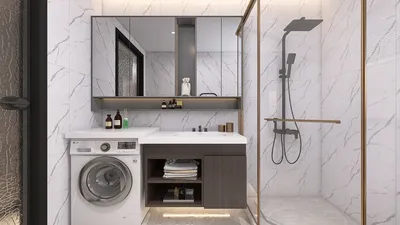


When discussing interior design, we often envision colors, textures, and the arrangement of furniture. Yet, an essential component that is frequently overlooked is the structural integrity of a space. Structural interior design combines architectural principles with aesthetic elements to craft environments that are both functional and visually appealing. This field highlights the necessity of integrating a building’s framework with interior components to ensure a seamless coexistence. Understanding the pre-existing architecture is the starting point for structural interior design. This involves examining load-bearing walls, columns, beams, and the overall layout of the building. The objective is to accentuate the inherent features of the space while incorporating personal touches that resonate with the occupant's style. For example, revealing original beams or brickwork can impart an industrial vibe, while concealing structural components can result in a sleek, modern aesthetic that highlights minimalism. Additionally, the significance of structural integrity cannot be overstated when it comes to safety. Designers must guarantee that modifications, like removing walls or creating openings, do not jeopardize the building's stability. This is where collaboration with architects and engineers proves vital. Their expertise can guide feasible changes and ensure structural safety is maintained. Creativity is also essential when integrating structural elements into interior design. A designer might opt to showcase steel beams as a design statement instead of hiding them. This method preserves the building's integrity and adds character and individuality to the space. Visible structural elements can create an industrial chic ambiance, transforming them into focal points rather than mere afterthoughts. Lighting is crucial in accentuating these structural features. The strategic arrangement of light fixtures can highlight beams, arches, and various architectural details. Natural light also plays a pivotal role; expansive windows or skylights can illuminate structural components, enlivening them and enhancing the space's openness and inviting feel. The selection of colors and materials is fundamental in structural interior design. Choices regarding paint, wallpaper, flooring, and furnishings should complement the building's structural aspects. For instance, a rustic wooden beam might be paired with warm-toned furnishings and earthy palettes for a coherent atmosphere. Moreover, structural interior design extends beyond residential spaces; commercial environments can also reap its benefits. In office settings, for instance, the layout can encourage productivity while ensuring safety and aesthetic appeal. Open floor plans can foster collaboration, while glass partitions can enhance openness without compromising structural integrity. Ultimately, structural interior design is about crafting spaces that are not only aesthetically pleasing but also functional and safe. It encourages designers to thoughtfully consider the interplay between structure and design, ensuring that every element serves a purpose. Whether you’re renovating a home or designing a new office, taking into account the structural features of your space leads to a more cohesive and well-considered design. By embracing structural interior design principles, designers can significantly enhance the overall experience of a space. Recognizing and incorporating structural elements allows for the creation of environments that inspire and engage, leaving a lasting impression on occupants and visitors alike. Utilizing tools like Homestyler can aid in visualizing these concepts effectively.
Tip 1:
When planning your interior design, take into account the structural elements of your space. Merging functionality with aesthetics is vital for achieving a unified look.
FAQ
Welcome to Homestyler.
Progetta ora GRATIS
































