I once designed a wardrobe equipped with mirrored doors, only to find out that the hinges opened in the wrong direction — when the client entered and remarked, 'You’ve created an optical illusion that can’t be used.' This mishap taught me the importance of verifying clearances right from the beginning and deepened my appreciation for creative storage solutions. In small areas, thoughtful planning can significantly enhance functionality, and compact spaces often inspire innovative ideas. When creating layouts, consider exploring various small-room designs to understand how different pieces interact before making a purchase.
Sleek Sliding Wardrobes
Sliding doors effectively save space while providing a contemporary aesthetic; I recommend flush handles and soft-close tracks to elevate the experience. They are ideal for situations where depth is limited, but it’s essential to implement smart organizers inside since the hanging space can be restrictive.
save pin
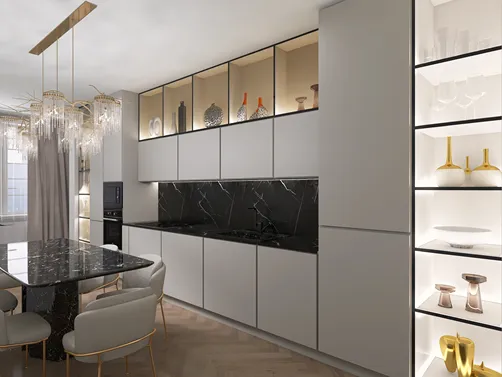
Floor-to-Ceiling Built-in Units with Open Shelving
Built-in units utilize vertical wall space that often goes to waste and can visually enlarge the room when painted to match the walls. However, the main drawbacks are the associated costs and permanence, so modular options are worth considering if you’re renting. A handy tip is to include some open shelves for frequently accessed items to minimize the need for rummaging.
save pin
Transforming Dead Corners into Wardrobe Wonders
Corners often remain underutilized; incorporating a corner wardrobe with rotating storage or angled shelves can significantly enhance space efficiency. I once fitted one in a 9㎡ bedroom that offered more storage than a standalone closet, although it did require custom hinges and additional planning time.
save pin
Multi-Functional Wardrobe with Concealed Desk
In studio apartments, I cleverly hide a foldable desk behind wardrobe doors, allowing one wall to serve both as a workspace and storage area. This setup works brilliantly for solo living arrangements, although it may sacrifice some hanging space for the desk. Opt for lightweight materials to keep costs and installation straightforward.
save pin
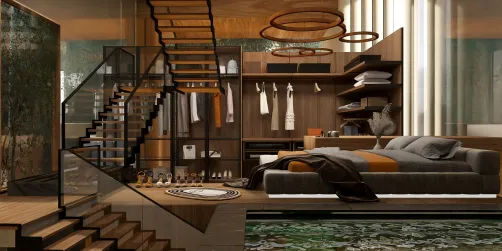
Modular Wardrobe Systems and Custom Inserts
Combining open cubes, drawers, and shoe racks allows the wardrobe to adapt to your needs; I particularly appreciate adjustable shelves for seasonal changes. If you’re looking to visualize how components will fit together, using Homestyler to create wardrobe floor plans and producing a simple 3D render can provide reassurance before final decisions are made.
save pin
Space-Efficient Materials and Finishes
Utilizing light-reflective materials like matte lacquer or wood-grain laminate helps a wardrobe appear less bulky, and incorporating mirrored panels can create a sense of depth — although mirrors do require maintenance to avoid showing fingerprints. Budget-friendly laminates effectively mimic the appearance of wood, while solid wood adds warmth if the budget permits.
save pin
Installation and Budgeting Suggestions
Always measure twice and order once — this is invaluable advice. For tight budgets, starting with a standard frame and adding custom drawers later is a wise approach. For lasting value, it’s worth investing in high-quality sliders and hardware. Be prepared for a slight premium on custom corner designs and full-height installations, as their convenience pays off in daily use.
save pin
The Value of Planning Over Impulse
I’ve saved more than one 'I'll just grab a wardrobe' fiasco by mapping out specific zones: hanging, folded, shoes, and accessories. This approach not only conserves money but also ensures that clothes are easily accessible — and it typically helps avoid recurring hinge dilemmas.
save pin
Simple Improvements for the Weekend
Consider installing some slim hooks behind wardrobe doors, adding a few baskets to the top shelf, or replacing shallow drawer organizers to quickly manage small items. Small tweaks can simplify your morning routine without the need for major renovations. If uncertain, using Homestyler to view a rapid 3D wardrobe design can help confirm dimensions and proportions before making commitments.
save pin
FAQ
Q1: What are the ideal wardrobe types for compact bedrooms?
A1: Sliding wardrobes, floor-to-ceiling built-ins, and modular systems tend to be the most effective because they maximize vertical space and minimize door swing. Your choice should depend on your budget and whether you prefer fixed installations or adaptable pieces.
Q2: What depth should a wardrobe have in limited spaces?
A2: A depth of 50–60 cm (20–24 inches) is standard for hanging garments; if you’re constrained for space, a 45 cm depth may suffice with narrower hangers, but it will sacrifice space for bulkier items such as coats.
Q3: Are mirrored doors advisable in compact rooms?
A3: Absolutely — mirrors can reflect light and create an illusion of a larger area, although they require cleaning and may highlight clutter. I suggest opting for one mirrored panel instead of entirely mirrored doors if you prefer to minimize maintenance.
Q4: Can modular wardrobes match the durability of built-ins?
A4: Quality modular units can be remarkably robust and allow for future rearrangements; their flexibility is a distinct advantage, although top-tier built-ins typically provide the best fit for irregular spaces over time.
Q5: What strategies can I use to maximize hanging space?
A5: Implement double rails (one high and one low) for shirts and pants, choose slim non-slip hangers, and allocate a deep section for longer garments. Organizers such as hanging shelves can effectively make the most of vertical space.
Q6: What economical options exist for customizing a ready-made wardrobe?
A6: Enhancing internal storage with drawer units, shelf dividers, and aftermarket organizers is a smart move; you can also paint or apply vinyl wraps to the doors for a refreshed look. Such modifications are affordable and reversible, making them ideal for renters.
Q7: Are there standard guidelines for closet storage?
A7: Certainly. Various retailers and experts, like IKEA, offer practical storage guides that assist in sizing shelves and optimizing hanging areas. These resources are fantastic for establishing simple and reliable standards.
Q8: How do I plan a wardrobe layout before making a purchase?
A8: Start by measuring the available wall height and depth, sketch specific zones for hanging/folding/shoes, and create a simple mock-up on paper or utilize a quick planning tool to test proportions; a small 3D representation often helps avert costly errors.
save pin
Homestyler is your go-to online home design platform, perfect for all skill levels. With its user-friendly design tool, stunning 3D renderings, and a wealth of DIY video tutorials, you can effortlessly transform your home ideas into reality. Start creating your dream space today!