I have designed numerous transformer tables tailored for compact urban apartments as well as adaptable family homes, consistently aiming for a solution that combines a minimal footprint with elegant expansion, stability, and aesthetic harmony within the space. An intelligently crafted DIY transformer table should effortlessly fold or slide with light pressure, ensure ample legroom, and distribute weight evenly during use.
Space functions as a crucial element of performance, far beyond just a numerical measurement. As indicated by Gensler’s U.S. Workplace Survey, adaptable environments result in enhanced efficiency and satisfaction scores, highlighting the importance of designs that facilitate quick task transitions. The WELL v2 standard also underscores ergonomic reach and glare mitigation, reminding us that tables must harmonize with factors like posture, lighting, and traffic flow.
Core Design Intent
I aim to create a console-style table with a depth of 12 to 16 inches that can expand to comfortably seat four or six individuals without any instability. The transformation mechanism may include options such as accordion leaves, telescoping runners, or butterfly-fold panels, all of which should be designed for straightforward usability. I lean toward hidden steel runners for the primary sliding mechanism and doweled hardwood leaves to ensure durability. By considering traffic flow and chair spacing from the start, this table can become the most versatile element in your living area. For effective layout strategy or to experiment with seating configurations, utilizing a room layout tool assists greatly.
Right-Sized Dimensions
When configured for a four-person setup, aim for dimensions of 60 to 64 inches in length and 30 to 34 inches in width when fully extended, while maintaining a depth between 12 to 16 inches in console mode. A height of 29 to 30 inches accommodates most chairs and aligns with ergonomic standards promoting neutral elbow angles (WELL v2 guidance supports a 90 to 110° angle while seated). Research by Steelcase emphasizes that comfort and proper posture enhance productivity, a principle that holds true here as well—ensure the table height does not force shoulders to elevate uncomfortably.
Mechanism Options
• Telescoping apron with steel ball-bearing slides offers smooth operation, excellent weight capacity, and concealed hardware.
• Center butterfly leaf: works well with durable hinges; quick setup delivers a continuous grain aesthetic when designed with care.
• Accordion leaf stack: allows compact storage; slightly heavier, but provides ample capacity for gatherings.
• Gate-leg support: a classic option that optimizes space, but ensure adequate knee clearance. I position legs 2 to 3 inches recessed from the corners to minimize bumps.
Stability and Load Path
Ensuring stability relies on a continuous load path where runners distribute force from the side rails to the legs and ultimately to the floor. I prefer using 1.5 to 2 inches thick hardwood rails along with a steel subframe underneath the leaves. To mitigate potential racking when fully extended, incorporating cross-bracing or concealed stretcher bars is vital. If any lateral movement is detected, consider adding a diagonal brace under the center leaf or opting for higher-rated slides that can support greater dynamic loads.
Materials and Sustainability
Utilizing solid ash or white oak for the rails and legs provides strength and a polished finish. Plywood leaves with hardwood edgings maintain reasonable weight for stability. It's crucial to use low-VOC finishes to ensure good indoor air quality—WELL v2 recognizes the impact of material emissions on occupant health. If seeking a deeper tone with less upkeep, consider a hardwax oil that can be spot-treated after dings. For increased scratch resistance, a compact laminate surface for the main leaf while preserving wood for the console face is a smart choice.
Human Factors and Color Psychology
In compact homes, the arrangement of light and surfaces is paramount. Neutral, mid-tone woods create a calming effect by reducing visual clutter; a soft matte finish minimizes glare. Warm muted colors enhance the dining experience, whereas cooler tones on the console face can help it visually recede when not in use. According to Verywell Mind’s color psychology insights, warm colors encourage social interaction, making them ideal for dining settings.
Lighting and Acoustic Comfort
Transformer tables are commonly positioned near windows or beneath light fixtures. Strive for an illumination level of 300 to 500 lux on the table surface for dining and other tasks as per standard IES recommendations; dimmable fixtures allow for easy transition from functional to ambient light. Choosing low-gloss finishes can help combat glare. Incorporating soft chair pads or a nearby rug can reduce noise from dishware—these subtle acoustic enhancements play a significant role in small areas.
Joinery Details
Using mortise-and-tenon or floating tenons for the joints connecting legs to rails creates a robust structure. For the leaves, opt for aligned dowels or hidden alignment pins to avert edge drifting. I recommend a micro-bevel (1 mm) along leaf edges to disguise minor seasonal movement. Selecting stainless steel or brass hinges assures longevity. When routing for slides, ensure pocket depth consistency and maintain a clearance of 1/8 inch to avoid binding.
Surface Protection and Finish
Dining surfaces are exposed to heat, moisture, and wear. A three-coat hardwax oil or a waterborne polyurethane with a matte finish is ideal. If the table doubles as a workstation, consider a satin finish that strikes a balance between reducing glare and durability. It’s wise to keep the underside raw or lightly sealed to lower weight and allow the wood to breathe effectively.
Ergonomics: Knees, Reach, and Flow
Ensure the aprons are positioned at or above 26 inches in height to prevent knee collisions. Aim for 24 to 30 inches per person along the edge to sidestep elbow conflicts. A minimum clearance of 36 inches between the table edge and the nearest obstacle is essential for ease of movement; if space permits, increasing this to 42 inches enhances flow. The WELL v2 focus on reach ranges is relevant here: ensure leaf release points are easily accessible without requiring awkward postures.
Step-by-Step Build Overview
1) Model the size of the console and its extended footprint. Verify chair clearances using a layout simulation tool: Homestyler.
2) Prepare the legs and rails; cut the necessary mortises and tenons.
3) Create the slide pockets and install steel runners; check the travel functionality.
4) Construct the leaves with hardwood edging; drill alignment dowel holes accordingly.
5) Dry-fit all components; check for racking; add cross-bracing if required.
6) Sand surfaces to a grit of 180 to 220; apply the finish and assemble hardware; conduct final adjustments.
Safety, Maintenance, and Longevity
Round over any sharp corners to avoid injuries. Regularly inspect runner screws, hinge pins, and dowel alignments. Seasonal humidity variations can slightly shift leaves; the micro-bevel aids in keeping edges clean. Promptly clean any spills and re-oil surfaces annually if you’ve opted for hardwax finishes.
Use Cases and Layout Tips
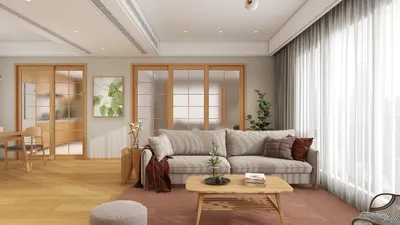
In studio apartments, the console mode can serve as a focal point against a wall, with art displayed above; easily slide out for meals or crafting. In family areas, position the table near a south-facing window to harness natural light without glare; a dimmable pendant enhances the visual appeal of the extended table. When accommodating six seats, orient the piece perpendicular to the longest wall to maintain necessary circulation paths. Again, verify configurations using an interior layout planner to ensure optimal sightlines and leg space: Homestyler.
References for Performance
If you are fine-tuning ergonomics or health aspects, the WELL v2 framework provides clear insights regarding lighting quality, material emissions, and posture support. Gensler’s research consistently links flexibility with an improved work experience, which directly applies to multi-functional furniture designs.
FAQ
Q1: What dimensions should the table have when fully extended?
A: For a four-person arrangement, dimensions of 60 to 64 inches in length and 30 to 34 inches in width work well; for six diners, consider 72 to 78 inches long and 36 to 38 inches wide, ensuring your space allows for 36 to 42 inches clearance for movement.
Q2: Which type of sliding hardware best ensures stability?
A: Opt for heavy-duty steel ball-bearing slides with high dynamic load ratings for smooth operation and minimal racking. Combine them with a rigid substructure and cross-bracing under the center leaf for optimal stability.
Q3: How can I reduce glare on the tabletop?
A: Utilize matte or satin finishes along with dimmable, shielded fixtures. Aim for 300 to 500 lux on the table surface, following common IES recommendations for dining and light tasks.
Q4: What wood species offer a balance between strength and weight?
A: Ash and white oak provide remarkable stiffness and machinability. For the leaves, plywood edged with hardwood keeps the weight manageable while remaining stable through changes in the atmosphere.
Q5: How can I enhance comfort for knees?
A: Establish an apron height of 26 inches or more, and recess gate legs when utilized. Maintain 24 to 30 inches of elbow space along the edge to prevent collisions.
Q6: Which finish is durable for both dining and work tasks?
A: A waterborne polyurethane with a matte finish or a strong hardwax oil is advisable. Poly finishes resist stains effectively, while hardwax oil allows for easy touch-ups and a pleasant texture.
Q7: How should I manage seasonal wood movement?
A: Apply alignment dowels and a 1 mm micro-bevel around the edges of the leaves. Ensure both sides of the leaves are sealed to maintain moisture balance and reduce warping.
Q8: Can the console table also function as a workspace?
A: Absolutely—maintain a height around 29 to 30 inches and ensure adequate task lighting provides approximately 500 lux. A satin finish minimizes reflections from screens while ensuring durability.
Q9: What layout errors should I avoid?
A: Avoid congesting circulation paths; protect 36 to 42 inches of clearance. Utilize a room design visualization tool to validate chair spacing and paths before finalizing your dimensions.
Q10: How do I select colors that work well for both settings?
A: Employ mid-tone woods and warm highlights for dining; cooler, more subdued console faces help the piece blend seamlessly when folded, promoting a tranquil environment for everyday use.
Q11: Is there a resource for ensuring health and wellness considerations?
A: The WELL v2 framework provides valuable guidelines on lighting, materials, and ergonomic practices applicable to multi-purpose furniture. It serves as an excellent reference for designing healthier, more comfortable environments.
Homestyler is your go-to online home design platform that makes creating beautiful spaces a breeze. With its user-friendly design tool, stunning 3D renderings, and a wealth of DIY video tutorials, you can easily transform your home ideas into reality—perfect for both beginners and seasoned decorators!