I once had a client who envisioned a sofa that could transform into a bookshelf while also providing a hiding spot for their cat. I agreed before fully considering the implications and subsequently learned a valuable lesson about the limits and potentials in compact spaces. Living in a small mobile home encourages creativity: a single misstep can disrupt the entire layout, whereas a clever modification can dramatically enhance usable space. Here, I’ll present five strategies I’ve implemented in actual projects that make diminutive living rooms feel spacious, functional, and surprisingly cozy — along with an essential caveat regarding each.
1. Utilize vertical space with built-ins and shelving
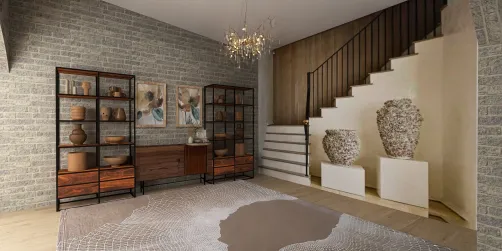
When dealing with limited floor space, my first instinct is to look upwards. Tall, slender built-ins and open shelving emphasize vertical storage while allowing the floor to remain visually uncluttered. The benefit is significant storage capacity and a customized appearance; however, the downside lies in the expense of heavy installations, which require meticulous planning to avoid overwhelming the ceiling height.
save pin
2. Opt for multifunctional, appropriately sized furniture
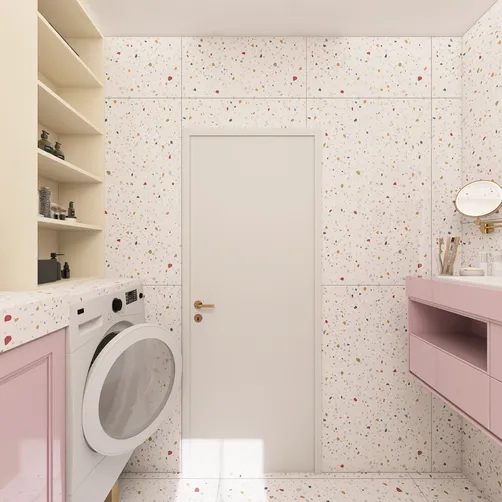
I advocate for furniture that serves dual purposes: a sleek lift-top coffee table, a storage ottoman that doubles as extra seating, or a compact sofa featuring drawers underneath. These pieces help maintain essential items without cluttering sightlines; however, the trade-off might be some compromise on comfort for the sake of compactness, so it’s wise to test seat depth and cushion quality prior to finalizing a purchase.
save pin
3. Define invisible zones with rugs and lighting
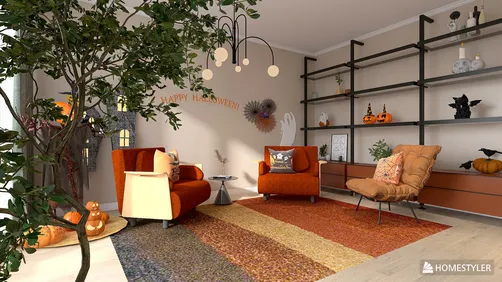
In a mobile home’s living area, utilizing rugs, layered lighting, and a low console can establish distinct zones (such as lounging, reading, and small dining) without necessitating walls. This approach keeps the area flexible for visitors or working from home. When planning these sightlines and proportions, I frequently utilize visual floor mockups through tools like Homestyler to ensure the scale is effective before any purchases are made.
save pin
4. Incorporate reflective surfaces and consistent color schemes
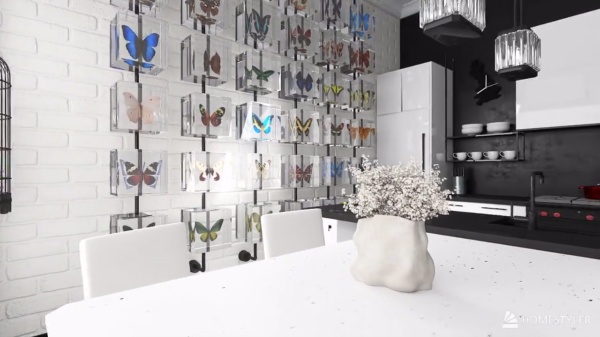
Employing mirrors, glossy cabinet finishes, and a cohesive palette of 2-3 harmonious colors can enhance the perception of space and tranquility in a tiny living room. The advantage is a brighter, more open ambiance; however, shiny surfaces can be more prone to showing fingerprints and scratches, so opt for finishes that are easy to maintain.
save pin
5. Make the most of corners and entry pathways
Corners can be treasures in mobile homes: a corner shelf, an angled bench, or a small corner media unit can reclaim otherwise wasted space. It's also critical to consider the entryway — a clear path significantly enhances the feeling of spaciousness in the entire room. If integrating a mini kitchen adjacent to the living area, planning functional kitchen corners early on can prevent costly rework later and ensure a cohesive feel.
save pin
Tips 1:
Budget-friendly advice: prioritize permanent modifications (such as built-ins and lighting) for lasting value while selecting economical accessories for quick style refreshes. I consistently sketch layouts and measure things multiple times — this habit has saved me from the regret of purchasing one too many sofas.
save pin
FAQ
Q: What paint colors work best for compact mobile home living rooms?
A: Light, warm neutrals can expand the perception of space and reflect light effectively. Using a single accent color can add depth without cluttering the overall palette.
Q: How do I determine the right rug size?
A: Select a rug that anchors the main seating area, ensuring at least the front legs of the sofa rest on it; this unifies zones and maintains room proportion.
Q: Are built-ins a worthwhile investment in a mobile home?
A: Absolutely, if you plan on residing in the home for an extended period — built-ins augment utility and enhance resale value. For shorter stays, consider modular options that provide similar benefits as built-ins.
Q: How can I enhance lighting in a small living area?
A: Layer your lighting: incorporate ambient (ceiling), task (reading lamps), and accent (LED strips) options. Utilizing dimmers can make the same fixtures more adaptable to various moods.
Q: What flooring is ideal for small spaces?
A: Continuous flooring (same material across connected rooms) creates a seamless appearance and visually enlarges the area. It's best to select durable, easy-to-clean materials suited for mobile homes.
Q: How do I address ventilation and indoor air quality?
A: Ensure fresh air circulation with cross-ventilation and exhaust fans while cooking. For more guidance on best practices regarding indoor air quality, refer to EPA recommendations: https://www.epa.gov/indoor-air-quality-iaq.
Q: Is it possible to wall-mount a TV without making the space feel cramped?
A: Mounting the TV can save floor space, but ensure it is positioned at eye level from your primary seating and conceal cables to avoid clutter. Consider using a swivel mount for flexibility with various seating arrangements.
Q: How can I create a pet-friendly tiny living room?
A: Select stain-resistant fabrics, washable rugs, and elevated storage solutions for pet items. Built-in benches featuring hidden compartments are great for quickly concealing toys and leashes.
save pin
Homestyler is your go-to online platform for designing your dream home effortlessly. With its user-friendly design tool, stunning 3D renderings, a variety of design projects, and helpful video tutorials, you can transform your ideas into reality and unleash your creativity!