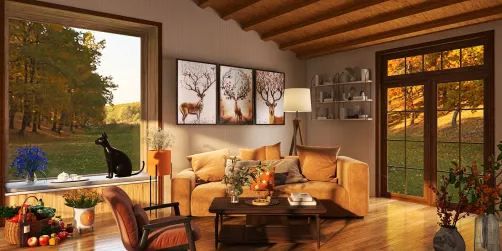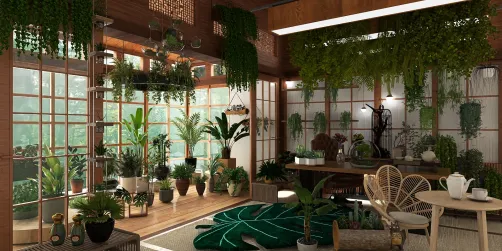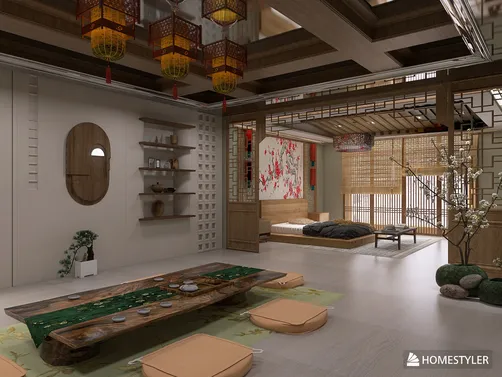
Once, I had the opportunity to design a 20 sqm apartment for a newly married couple who were adamant about keeping their large sectional sofa. It was quite a challenge to incorporate both a comfortable lounge area and a dining section. This experience highlighted for me that while compact spaces can be daunting, they also ignite our creativity. Today, I want to share ten strategies that have allowed me to turn tight living-dining spaces into homes that my clients absolutely adore.
1. Utilize Vertical Storage Solutions
In small living-dining combinations, floor space is incredibly valuable. I frequently suggest custom shelves that extend all the way to the ceiling to minimize clutter while making the area appear taller. In one particular project, installing slim cabinets created enough floor space for a foldable dining table. Consider using an online room planner like Homestyler to visualize your layouts before committing.
2. Opt for Multi-Functional Furniture
Consider furniture options like storage ottomans, coffee tables that can transform into dining tables, or sofa beds for occasional guests. These items maximize space without sacrificing comfort. Just a tip—be sure to test the mechanisms in-store, as they can be quite heavy.
3. Use Rugs to Create Distinct Zones
Placing a rug under the sofa and another under the dining table can effectively delineate the two areas. The secret is to maintain a cohesive color palette to prevent the space from feeling disjointed.
4. Incorporate a Compact Dining Nook
Built-in benches positioned against a wall or beneath a window can offer a snug eating area without consuming too much floor space. A great bonus is adding hidden drawers beneath the bench to store linens or seasonal decor.
5. Maintain a Light and Cohesive Color Palette
Light, soft colors can create an airy atmosphere, but don’t hesitate to introduce a few vibrant accents. For instance, I once featured emerald green chairs in a predominantly neutral setting, which injected a burst of energy!
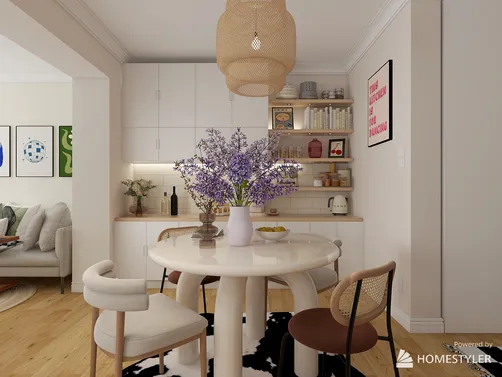
6. Choose Round Dining Tables
In smaller areas, sharp corners can be problematic. A round table promotes better flow and tends to be less visually overwhelming. When planning your furniture layout, using a free floor plan creator can help you avoid purchasing the wrong size.
7. Harness the Power of Mirrors
Strategically placed mirrors can create the illusion of a larger space. Position one opposite a window to reflect light throughout the room. Just be cautious about what’s reflected—clutter will be doubled as well.
8. Downsize the Sofa
Many people tend to overestimate the size of their ideal sofa. I once replaced a three-seater with a loveseat in a small loft, which freed up enough room for a compact work desk.
9. Select Slim Profile Lighting
Instead of opting for bulky floor lamps, consider wall sconces or pendant lights. These options provide illumination without taking up valuable floor space.
10. Implement Sliding or Pocket Doors
When every inch counts, sliding doors can be revolutionary. I’ve swapped out traditional swing doors for these in numerous projects, freeing up room for shelving or artwork. If you’re rethinking your layout, a versatile kitchen layout planner like Homestyler can provide valuable assistance in open spaces.
FAQ
Q: Is it possible to fit a full dining table in a small living area?
A: Absolutely, but opt for extendable designs to keep it compact during daily use and expand it when you have guests.
Q: How can I make my space feel larger?
A: Utilizing light colors, incorporating mirrors, taking advantage of vertical storage, and steering clear of oversized furniture are key strategies I rely on.
Looking to transform your home? Homestyler is your go-to online design platform! With its easy-to-use design tool, stunning 3D renderings, and a treasure trove of DIY video tutorials, you can effortlessly bring your interior design dreams to life—no experience needed!















![[For dear Adelina madee 🤎]](https://hs-designs.homestyler.com/production/design/images/8a07e535-9cbc-4132-a42a-5932dac3a112/1706972286037.jpg?x-oss-process=image/resize,w_502,m_mfit/format,webp)