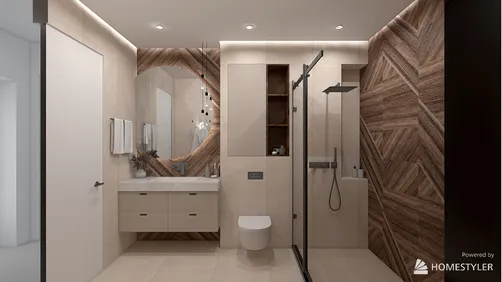
One night, I made the decision to paint a small studio despite the late hour, encouraged by the tenant's assurance that the noise wouldn’t disturb anyone — a promise that ultimately proved false, much to the chagrin of the neighboring units. During the measurement of that space, I encountered a crucial lesson: inaccurate labor estimates can turn what seems to be a simple project into a costly ordeal. Now, I begin each project with a clear vision of the room flow, utilizing tools like Homestyler to ensure precise assessments and resource allocation.
Compact spaces can indeed inspire creative solutions, particularly when it comes to minimizing painting labor expenses. Drawing from my ten years of hands-on experience, I'll share five practical strategies to evaluate and alleviate the labor costs associated with painting interior walls, all while maintaining a high standard of finish quality.
1. Measure wisely: square footage is better than estimation
Labor costs are typically assessed based on surface area rather than simply the quantity of rooms. I calculate wall square footage (length multiplied by height, adjusted for windows and doors), and then apply the expected number of paint coats to arrive at a practical labor-hour forecast, thus eliminating unexpected charges.
Benefit: more accurate estimates. Drawback: it requires some initial math, but a quick sketch can help avert inflated bids or hastily executed work.
save pin
2. Choose paint and finish with labor considerations in mind
Investing in high-quality paints can lead to one-coat coverage, which reduces labor needs overall, even if the initial costs are higher. Conversely, low-quality paint might necessitate multiple coats, thereby amplifying labor time.
Practical tip: it’s wise to allocate a bit more budget for paint that allows you to skip an entirely extra coat — I have seen this approach yield significant savings in medium-sized rooms.
save pin
3. Group rooms and plan effectively
Painters often factor in preparation and clean-up time; by coordinating the painting of bedrooms, living areas, or an open kitchen space simultaneously, you can avoid repeated setup fees. If you're repainting a kitchen along with its adjoining spaces, creating a cohesive plan akin to designing a single Homestyler kitchen layout can considerably reduce your labor hours.
Pro: lower effective hourly rates. Con: you need to manage the schedules of occupants and ensure uninterrupted access.
save pin
4. DIY prep to cut down labor hours
You can significantly decrease costs by taking charge of tasks like masking, moving furniture, and minor patching yourself. I frequently encourage clients to prepare in advance if they feel comfortable; effective preparation can cut the painter's time in half and often enhances the final result.
Caution: insufficient prep can lead to rework. If you’re uncertain about priming or major repairs, it’s best to leave those intricate tasks to the professionals.
save pin
5. Request detailed quotes and confirm the scope — visuals are crucial
I always request a breakdown of labor costs: hours of work, number of painters, and what preparation and cleanup tasks are included. This is where photo-realistic 3D renders come into play; they help clarify expectations and prevent scope changes — I leverage them to illustrate exactly which walls, trims, and ceilings will be painted.
Advantage: clear definitions lead to fewer change orders. Consideration: acquiring a comprehensive quote may take a bit longer, but it can yield savings in the long run.
save pin
FAQ
Q: How do painters typically charge for labor when painting interior walls?
I usually observe two pricing structures: hourly per painter or per square foot. Hourly rates work well for less predictable jobs; square-foot pricing is prevalent in more straightforward wall work.
Q: What should I expect as a standard labor rate?
Labor rates vary widely based on location and painter experience — generally, expect to pay between $20 and $60 per hour per painter in many regions of the U.S.; higher rates may apply in metropolitan areas. Always obtain local estimates.
Q: How does labor cost accumulate per room?
For a small bedroom, expect labor costs to range from $150 to $400, while larger rooms with higher ceilings may fall between $400 and $800 or even more. These figures are rough estimates; actual quotes will depend on prep tasks and finish selections.
Q: Can I reduce labor costs by choosing cheaper paint?
While opting for cheaper materials might save some money, low-cost paint may necessitate additional coats and increased labor. More often than not, investing a bit more in paint reduces overall labor time and enhances the final appearance.
Q: Is prep work included in labor estimates?
Not always — some painters include basic prep work, while others specify it separately. Always clarify whether tasks such as patching, sanding, priming, masking, and cleaning are part of the labor cost.
Q: Is there an official record of painters' wages?
Yes — for instance, the U.S. Bureau of Labor Statistics provides wage information for painters and paperhangers, which serves as a reliable source when assessing local labor costs (refer to BLS occupational data).
Q: Should I tip my painter?
Tipping is not obligatory; however, a small gratuity is often appreciated for exceptional service or if the crew surpasses expectations. Many clients even prefer to leave positive feedback instead.
Q: How many quotes should I consider?
I advise obtaining at least three itemized quotes to compare labor hours, preparation scope, and materials included — that’s the quickest way to make an informed decision.
Discover your perfect home with Homestyler! This user-friendly platform offers a powerful online design tool, stunning 3D renderings, and a wealth of design projects and DIY video tutorials. Transform your ideas into reality effortlessly and create a space that truly reflects your style!