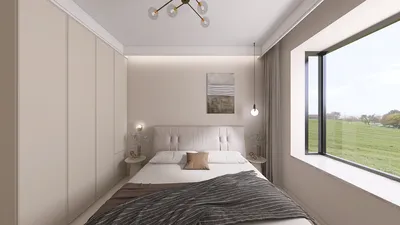
In my experience, there was a couple whose disagreements over towel hues and shower temperatures were so frequent that I humorously suggested installing separate bathrooms. However, we found a solution by transforming their cramped bathroom into two distinct usage areas, and since then, their arguments have ceased. This taught me that small shared bathrooms necessitate smarter design choices. Often, a straightforward preview of the bathroom layout can resolve conflicts more quickly than lengthy discussions.
1. Separate zones with a communal wet area
Establish two unique areas: a double vanity for daily routines and a singular wet space for showers. This configuration keeps personal storage apart while optimizing space with a single waterproof wet area. However, it’s crucial to ensure proper ventilation and use waterproof materials to prevent moisture issues.
save pin
2. Pocket doors and adaptable partitions
Replace traditional hinged doors with pocket or sliding panels to free up space and provide quick visual privacy. Frosted glass panels or a retractable screen can balance light access and privacy needs, though opaque alternatives may reduce natural lighting.
save pin
3. Varied lighting and mirrored cabinets
Incorporate task lighting at every mirror, overhead ambient light, and an adjustable dimmer for evening use; mirrored cabinets not only enhance depth but also conceal clutter. This cost-effective upgrade enhances practicality and encourages discipline regarding countertop items.
save pin
4. Shared shower with seating and built-in niches
A single, thoughtfully designed shower featuring a bench and recessed niches can accommodate two users comfortably — consider adding dual showerheads or a handheld for the preferences of both. While this stylish option requires meticulous planning for drainage and waterproofing, it offers an elegant solution.
save pin
5. Custom finishes and modular storage solutions
Allow each individual to choose minor finishes — such as towel hooks, drawer handles, or tile accents — to maintain a cohesive design while adding personal touches. Pair this with modular shelving to adapt to changing needs, and think about using online 3D design tools like Homestyler to visualize how colors and storage will fit in the available space.
When budgeting, prioritize waterproofing, ventilation, and an efficient layout; decorative finishes can be updated later. In a compact shared bathroom, strategic planning outweighs lavish spending on appealing tiles that may not enhance daily functionality.
By leveraging 3D visualization tools to view different layouts, couples make decisions more rapidly. Nowadays, I also recommend utilizing automated suggestions for layouts based on specific priorities, including AI design suggestions that excel in optimizing small spaces.
save pin
FAQ
Q1: What’s the optimal arrangement for a couple in a compact bathroom?
Aim for distinct personal areas (like vanities and drawers) while sharing the wet space; a linear layout with sinks side by side, or a split vanity, typically suits narrow rooms best.
Q2: Do dual sinks make sense for a small couple’s bathroom?
Having two sinks can enhance efficiency in the morning and minimize disputes, but in extremely tight spaces, a single larger sink with ample storage and staggered usage times is advisable.
Q3: How can we enhance privacy without sacrificing light?
Consider using frosted or textured glass, half-height dividers, or a translucent folding screen to maintain daylight flow while separating areas.
Q4: What ventilation and waterproofing features should a shared wet room include?
Utilize a high-capacity exhaust fan suitable for the room size, and implement tiles, cement backer board, and waterproof membranes in wet areas; ensure proper drainage slope, especially in walk-in showers.
Q5: What budget should we allocate for a practical couple’s bathroom renovation?
Costs can vary significantly depending on the area, but prioritize expenditures on plumbing updates, ventilation, and waterproofing. Aesthetics can be revamped later to align with budget constraints.
Q6: Are there recommended clearances for comfort?
Indeed, maintain at least 30 inches (760 mm) of clear floor space in front of fixtures and ensure doorways are adequately spacious; the National Kitchen & Bath Association (NKBA) offers guidelines for layouts and clearances (https://www.nkba.org).
Q7: What’s the best approach for storage solutions for two users?
Merge shared bulk storage for towels with individual drawers or labeled baskets for toiletries; utilizing vertical shelving and over-toilet cabinets can greatly enhance functionality when floor space is limited.
Q8: Can design applications genuinely assist couples in reaching an agreement on a plan?
Absolutely, visual tools help clarify options — viewing layouts in 3D or trying predetermined styles simplifies compromises and accelerates decision-making without protracted discussions.
save pin
Discover Homestyler, the ultimate online home design platform! With its user-friendly design tool, stunning 3D renderings, and a wealth of inspiring projects and DIY video tutorials, transforming your space has never been easier. Unleash your creativity and design your dream home today!