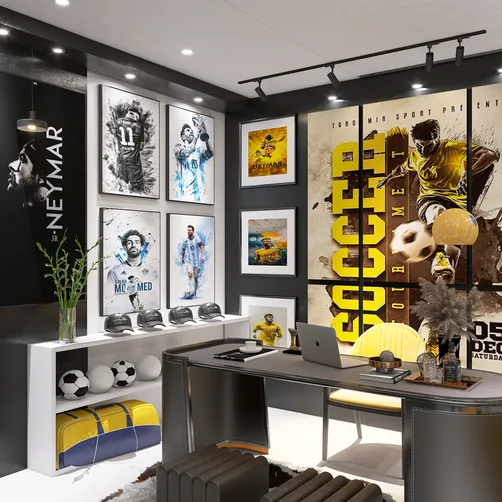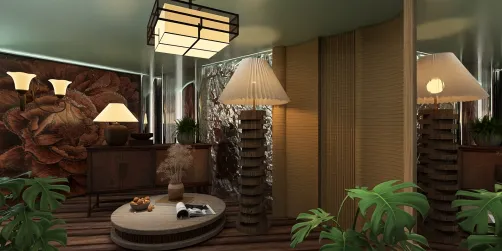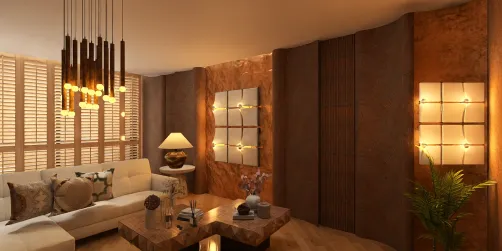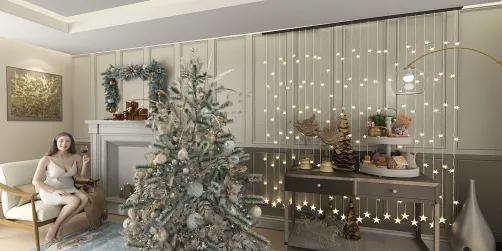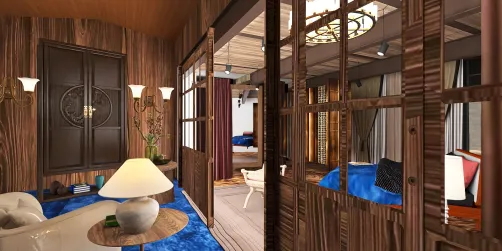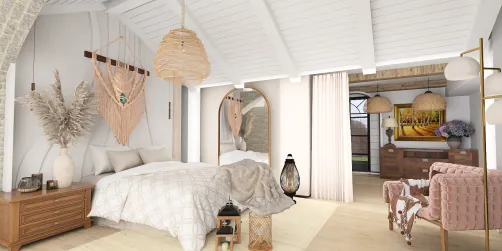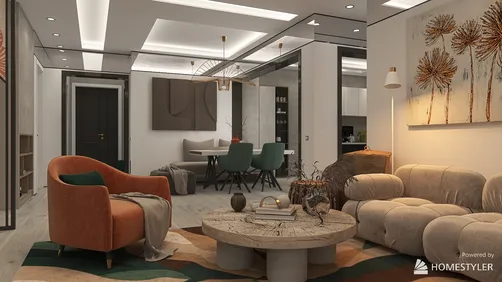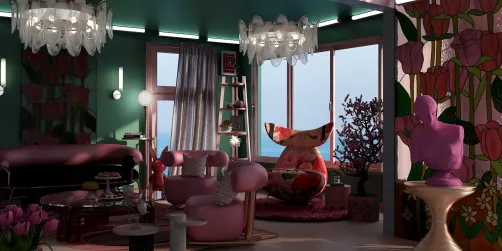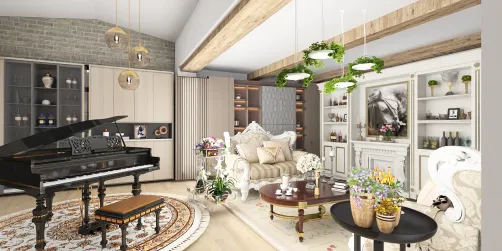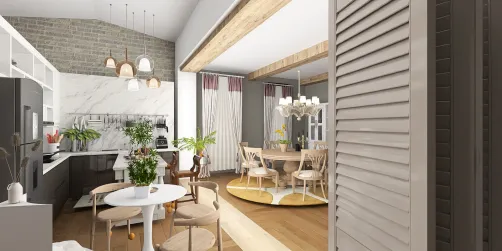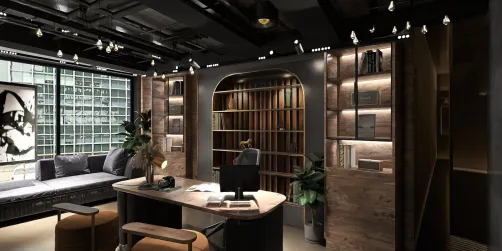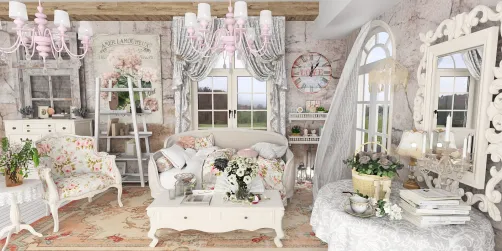
I still chuckle about a time when a client requested their compact living room to be painted in 'movie theater black' because of their love for dramatic cinema — we nearly lost all natural light, and my ladder almost became a theatrical prop. That experience imparted an essential lesson: small areas compel you to opt for smarter color selections rather than bold errors. To quickly test various combinations, utilize a visual room mockup with Homestyler to dodge unexpected results.
Compact spaces indeed ignite great creativity. Here, I'll share five color-focused design inspirations I’ve actively applied in real projects, complete with advantages, minor challenges, and budget-friendly recommendations that I swear by.
1. Bright Monochrome with a Single Accent
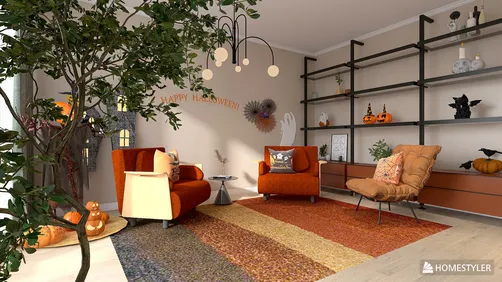
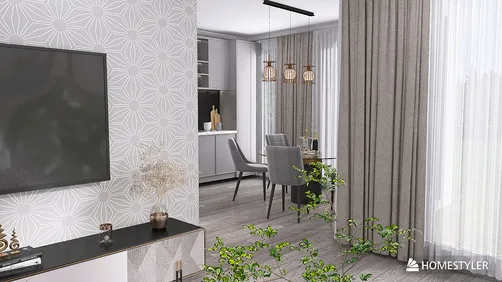
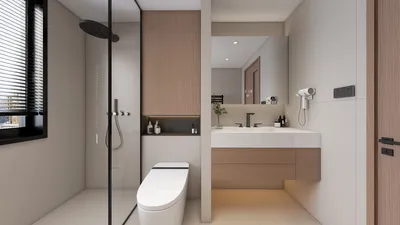
I often suggest starting with a bright monochrome backdrop — envision soft whites, warm creams, or light grays — then add in one bold accent like teal or mustard, possibly through a cushion, lamp, or a single wall. This approach creates a cohesive look and can visually enlarge the space as your eye won't be conflicted by multiple color narratives. The trick: oversized accents can overshadow, so limit to one focal point while maintaining a tranquil environment with the rest.
2. Layered Pastels for Airy Depth
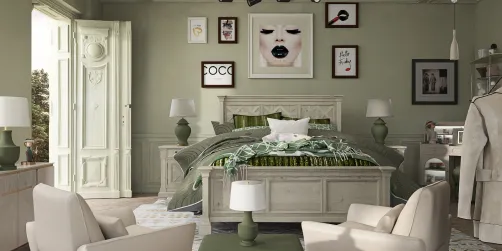
When clients seek a light ambiance that avoids a sterile feel, pastels are my preferred choice. Layering a blush sofa, mint cushions, and a dove-gray rug delivers subtle depth. It's forgiving for minor imperfections and photographs beautifully, but remember to mix textures — matte paint, velvet, and woven fabrics — or else the room might appear flat.
3. Warm Neutrals with Textural Contrast
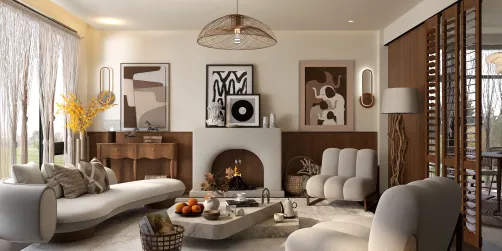
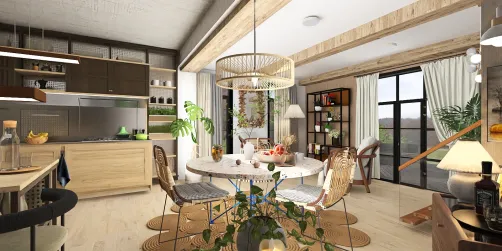
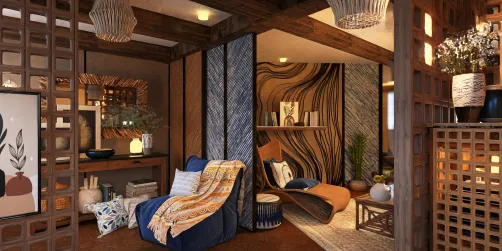
Warm taupes, sandy beiges, and caramel shades offer coziness without making the space feel smaller. I often complement these hues with materials like rattan, boucle, or hammered metals for an engaging contrast; the key is matching warm paint with cool accents, like a stone coffee table. For complex layouts, I sometimes employ realistic 3D renderings via Homestyler to visualize scale beforehand, significantly reducing the amount of installation back-and-forth.
4. High-Contrast Trim and Ceiling
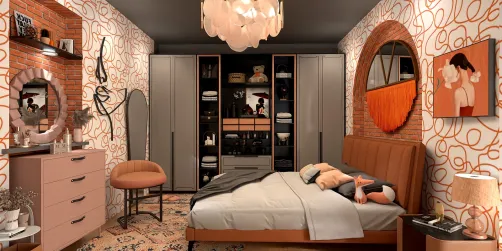
One of my favorite strategies for small spaces involves painting the trim and ceiling in a slightly different shade compared to the walls to frame the area. Darker ceilings can lend an intimate feel, while lighter hues create an illusion of height. The downside is achieving precision; uneven paint edges can be more noticeable, so you might want to hire a professional for clean lines or utilize high-quality painter’s tape with patience.
5. Functional Two-Tone Zoning
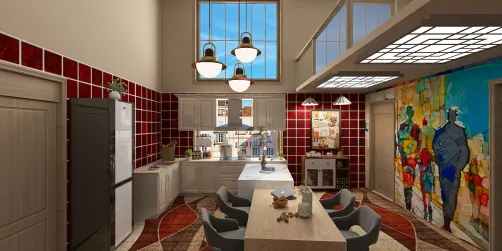
In compact open-plan designs, I often apply two-tone walls to delineate zones — for instance, a muted blue for the seating area contrasted with a warm neutral for a mini workspace or dining nook. This approach appears intentional and helps inhabitants see distinct functions without requiring extra furniture. If the space connects to a small kitchen, consider color flow to ensure the transition feels seamless for a compact kitchen experience. Budget hint: paint sampling is inexpensive — test strips at varying times throughout the day prior to committing.
FAQ
Q1: What are the best paint colors to make a small living room look bigger?
Light, cool-toned neutrals such as soft whites, light grays, and muted greiges usually reflect more light, thus making the space appear larger. Consistently applying the same color on both walls and trim can minimize visual clutter and enhance the perception of space.
Q2: Should I use the same color for the ceiling and walls?
Not necessarily; using the same color can blur boundaries and impart an expansive feeling, while a slightly varied ceiling color can create depth. I typically advise experimenting with swatches before making a final decision.
Q3: Are dark colors acceptable in a small living room?
Certainly — dark shades can introduce drama and coziness if balanced with ample lighting and reflective surfaces. The primary concern is avoiding a cramped atmosphere, so anchor dark walls with lighter furniture and mirrors.
Q4: How do textures interact with color in tight spaces?
Textures serve as a powerful tool: a monochromatic scheme coupled with varied textures (like wool, velvet, and metal) provides richness while steering clear of flat visuals. I consistently incorporate at least three distinct textures in small rooms for enhanced tactile appeal.
Q5: Can bold accent colors be utilized in rental apartments?
Absolutely — consider using removable alternatives such as peel-and-stick wallpaper, slipcovers, or larger textiles, allowing you to add character without making permanent modifications. Accent items are cost-effective and easy to change later on.
Q6: How much should natural light influence my color choice?
Natural light drastically alters perceptions: north-facing rooms benefit from warmer tones to introduce warmth, while south-facing areas can successfully adopt cooler shades. Always assess paint samples at various times throughout the day to observe true behavior.
Q7: Are there established guidelines regarding color psychology for small spaces?
Color psychology is complex, yet organizations such as the Pantone Color Institute suggest that blue and green undertones foster calm, while yellows and specific warm neutrals can invigorate an environment. Use these insights as useful guides rather than rigid rules (Pantone Color Institute).
Q8: How can I pick a color palette that harmonizes my living room with the kitchen?
Select a common undertone — for instance, warm undertones consistent in both areas — while allowing each room to showcase its unique accent. Subtle transitions such as uniform hardware finishes or shared textiles create a sense of flow without excessive repetition of colors.
Discover the magic of home design with Homestyler! This user-friendly platform features a powerful online design tool, stunning 3D renderings, and a wealth of DIY video tutorials. Whether you're a beginner or a pro, Homestyler makes it easy to turn your vision into reality.