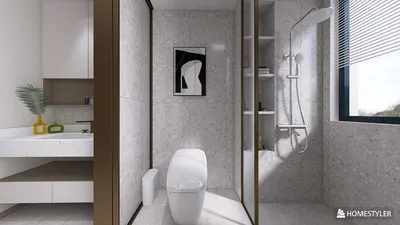


One of my clients once claimed their tiny bathroom was 'self-cleaning' — that was until they discovered a swarm of tiny black worms lurking along the baseboard. Initially, I thought it was a joke, but upon closer inspection, I realized these little pests thrive in neglected, damp corners, much like how I cherish a good design hack. This almost embarrassing discovery underscored how small spaces can inspire significant solutions, and that implementing a few smart strategies can prevent pests from turning into a nightmare.
1. Enhance drainage and airflow
Poor drainage and persistent humidity are prime attractors for tiny black worms, which are often drain fly larvae or springtails. I suggest installing a more powerful exhaust fan or incorporating a discreet floor drain equipped with a water-seal trap to facilitate moisture control. The benefits include less mold, fewer pests, and a fresher bathroom environment; however, it can be pricey and require coordination with plumbing.
save pin
2. Seal openings and gaps
These pests take advantage of small openings where tile meets cabinetry or where pipes exit walls. In one instance, I sealed a persistent 3mm gap behind a vanity with flexible silicone, leading to the disappearance of the worms within a week. This sealing process is budget-friendly and often a DIY task, but it's crucial to choose the appropriate caulk for wet areas to prevent future cracking.
save pin
3. Opt for hard, washable surfaces in wet areas
Soft mats and unsealed grout can trap moisture and organic debris. Switching to quick-drying bathmats, porcelain tiles, and epoxy grout eliminates hiding spots for pests. I revamped a rental bathroom with epoxy grout for its durability, reducing cleanup time from twenty minutes to just five. The downside is higher initial material costs, but savings on maintenance swiftly justify the investment.
save pin
4. Design for accessibility to plumbing and traps
Ensure that your layout incorporates trap doors or removable panels so you can efficiently inspect and clean S-traps or bottle traps without damaging finishes. I created a vanity with a concealed access panel that resolved ongoing larvae issues for a family — they were so grateful, they even baked me cookies. The trade-off is slightly less storage space for accessing solutions, but it's certainly better than demolishing the entire vanity later.
save pin
5. Minimize organic buildup with smarter storage solutions
Products like shampoos, soaps, and hair remnants feed microscopic organisms. I recommend wall-mounted caddies and simple wire baskets that leave surfaces clear for easy cleaning. This small aesthetic tweak results in significant hygiene benefits; the only con is that open storage calls for tidier habits, yet most clients appreciate the cleaner appearance.
save pin
Helpful Tip 1:
If you're currently dealing with an issue, inspect drains first and utilize a wire drain snake; then try a non-toxic flush of a 1:1 mixture of white vinegar and water. For those planning a remodel to keep pests at bay, consider using a 3D floor planner to visualize optimal placements for ventilation and access during the design process, particularly with tools like Homestyler.
save pin
Frequently Asked Questions
Q: What are the tiny black worms typically found in bathrooms? A: They are generally drain fly larvae or springtails; drain fly larvae appear as tiny wriggling worms in stagnant water, while springtails, which are small and jumpy, can be found around damp surfaces.
Q: Are these worms harmful to humans? A: Usually not — they are nuisance pests rather than direct threats to health, but their presence signals potential moisture or hygiene problems that could exacerbate mold issues.
Q: How can I quickly find the source of the issue? A: Inspect for slow or foul-smelling drains, p-traps, damp grout, and any leaks; traps and standing water are key areas to examine.
Q: Can I eliminate them without using chemicals? A: Absolutely — physically cleaning drains, improving ventilation, and sealing gaps often resolves infestations naturally without resorting to pesticides.
Q: When should I seek professional help? A: If the infestation continues even after cleaning and sealing, or if you suspect hidden leaks, it's best to consult a plumber or pest control for a thorough diagnosis.
Q: Will changing the grout help? A: Yes — swapping out cracked, porous grout for high-quality epoxy grout reduces moisture retention and can minimize future issues.
Q: Where can I find reliable information on drain fly larvae? A: The Centers for Disease Control and Prevention (CDC) offers valuable insights into drain flies and effective control methods: https://www.cdc.gov/parasites/
Q: Can making renovations prevent future problems? A: Thoughtful design choices—like improved ventilation, accessible plumbing panels, and washable materials—significantly lessen the likelihood of pest issues.
save pin
Looking to transform your home effortlessly? Homestyler is your go-to online design platform! With its user-friendly design tool, stunning 3D renderings, and a wealth of DIY video tutorials, you can easily create and visualize your dream spaces. Start designing today!
Progetta ora GRATIS
































