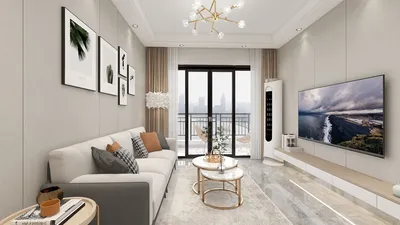


Once, I had a client who envisioned placing a massive, standalone bookshelf right in front of their stunning floor-to-ceiling window—indeed, their love for books temporarily overshadowed their appreciation for sunlight. I gently persuaded them to embrace the daylight and position the view as the main attraction in the room. This encouraged me to gather a collection of bright layouts tailored for small spaces that truly function.
Constrained spaces compel you to make choices, and I relish that aspect. Natural light serves as a designer's ally in a cozy living space, as it visually enlarges the area and accentuates textures. Here, I present five practical concepts I have implemented in real projects, incorporating the trade-offs and budget-friendly strategies I wish every client understood from the start, all while utilizing the Homestyler application for visualization.
1. Transform the Window into a Built-in Seat
A window seat is nothing short of enchanting: it combines seating, storage, and a picturesque view into one compact unit. I designed a shallow bench with lift-up storage for a family that sought both a reading nook and a place to hide toys—this solution works wonderfully if the window ledge provides sufficient depth.
Benefits: it increases seating without adding bulk, serves as a focal point, and keeps the floor space uncluttered. Challenges: it requires custom cabinetry and careful attention to waterproofing if the sill is set low. Budget tip: consider using pre-made bench boxes and upholstering the cushion yourself to save costs.
2. Float the Sofa to Highlight the Light
Positioning a slim sofa a foot or two away from the window creates a natural flow and maintains sightlines. I've employed this concept in several small apartments; it keeps the window unobstructed while allowing the room to appear purposely arranged rather than cramped.
Advantages: it preserves the view and natural light while defining a conversation area. Disadvantages: it may limit wall space for cabinetry—counter this by incorporating a sleek media console or wall-mounted shelves.
3. Utilize Mirrors and Low Furniture to Enhance Daylight
Placing mirrors opposite or adjacent to the window allows light to penetrate deeper into the room; complement them with low-profile furnishings to seamlessly integrate the sky into the decor. In one renovation project, I swapped a bulky armchair for a sleek lounge chair and included a tall, narrow mirror, creating the illusion of a much larger space. To help clients visualize these alterations, I often create detailed 3D plans using Homestyler, showcasing light pathways and spatial scales before they make any decisions.
Advantage: it maximizes the perception of space and brightness. Minor drawback: mirrors require strategic placement to avoid glare; utilizing anti-glare finishes or angled mounting can help when the sun shines directly.
4. Construct Storage that Sits Beneath the Window
Low cabinetry beneath the window keeps storage accessible while remaining unobtrusive. In a studio overhaul, I replaced a bulky bookshelf with under-window drawers, instantly opening up the wall space for art and a floating desk.
Why it works: it maintains horizontal sightlines and keeps the area tidy. Caution: if the window frequently needs to open, opt for shallow pull-out drawers or open shelving instead of tall doors.
5. Form an Intimate Seating Area Near the Window
A pair of slender chairs with a small round table by the window beckons for conversations and morning coffees. I applied this layout in a compact apartment where the client enjoyed hosting two friends at once—simple, sociable, and incredibly airy. To sample textures and finishes, I prefer producing realistic 3D renders using tools like Homestyler, allowing clients to select fabrics and lighting confidently.
Upside: it feels luxurious without requiring extra square footage. Downside: it demands careful dimension choices—select chairs with exposed legs and narrow arms to maintain a visually light atmosphere.
In summary, my foremost rule is to respect the window. Consider it as a piece of furniture—arrange your elements around it, rather than crowding on top of it. Small living areas with expansive windows can be light, warm, and exceptionally functional if you prioritize sightlines and layered storage, with Homestyler aiding in the design.
FAQ
Q: How do I prevent a small living room with a large window from feeling chilly?
A: Layer textiles—incorporate rugs, throw blankets, and curtains made of warm materials to soften the atmosphere. Include a few warm-toned metallics or wooden accents to balance the room's brightness.
Q: Should I opt for curtains or blinds for a sizable window in a compact room?
A: Sheer curtains offer light while ensuring privacy; pair them with slim blinds for control over brightness. Install curtain rods high and wide to enhance the window within the space.
Q: Which paint colors are best suited for spaces abundant in natural light?
A: Light neutral shades and soft pastels appear even brighter in natural light. For added drama, consider a bold accent wall opposite the window to avoid overwhelming the space.
Q: Can mirrors create the illusion of a larger living room?
A: Certainly—mirrors reflect light and views, effectively doubling the perception of depth when thoughtfully placed. Avoid reflecting clutter; mirrors are most effective facing the window or on an uncluttered wall.
Q: How much seating is necessary in a compact living area?
A: Focus on versatile seating—an ottoman or bench can fulfill multiple purposes. For most small living rooms, accommodating 3 to 4 individuals offers comfort without overcrowding the space.
Q: Is investing in built-in storage worthwhile?
A: In tight areas, built-in storage usually provides a solid return on investment as it maximizes every inch available. You can economize with semi-custom or modular options for a similar effect.
Q: How can I protect fabrics from strong sunlight?
A: Use UV-resistant window films or protective linings on curtains and opt for fade-resistant fabrics. As indicated by the American Society of Interior Designers (ASID), safeguarding soft furnishings from UV exposure significantly extends their lifespan (https://www.asid.org/).
Q: Is it possible to plan my small living room layout independently?
A: Definitely—begin by measuring accurately and sketching furniture to scale using graph paper or a digital tool. If you seek visual certainty, consult a designer or utilize professional render previews to assess possibilities.
Homestyler is your go-to online home design platform! With its user-friendly design tool and stunning 3D renderings, you can effortlessly create and visualize your dream spaces. Explore a wealth of design projects and watch DIY tutorials to inspire your creativity—all in one place!
تصميم الآن مجانا
































