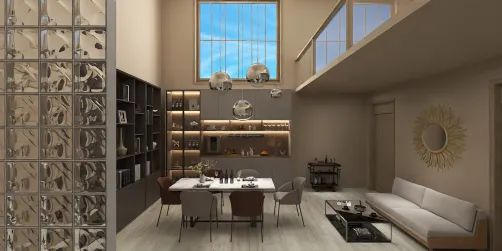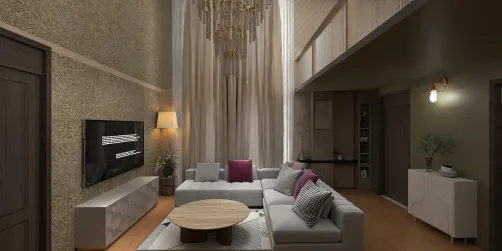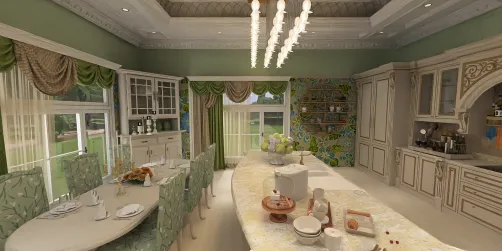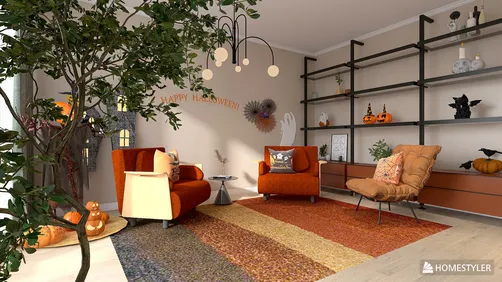
Last year, a client in Brooklyn challenged me to fit a wine cooler, a double sink, and a six-burner stove into her compact 60-square-foot kitchen. Spoiler alert: I succeeded — thanks to some clever techniques I’ve picked up over a decade in small space design. Tiny kitchens in New York are like intricate puzzles; every square inch is valuable, and that’s where the excitement begins. If you’ve ever attempted to prepare multiple dishes in a kitchen barely wider than your wingspan, you’ll understand. Trust me, utilizing room planner tools like Homestyler can significantly help in visualizing and fitting your desired layout.
1. Utilize Vertical Storage
In NYC kitchens, maximizing vertical space is invaluable. Installing tall cabinets that stretch to the ceiling not only enhances storage capacity but also draws the eye upward, imparting a greater sense of space. Just be aware that you might need a sturdy step stool at the ready.
2. Consider Fold-Down Counter Space
I previously incorporated a fold-down walnut countertop for a fashion editor in SoHo, which became her dedicated baking area and a workspace for her laptop. Remember to choose high-quality hinges; flimsy ones might sag before you know it, diminishing your culinary efforts.
3. Implement Mirror and Glass Backsplashes
A mirrored backsplash reflects light, visually enlarging your space. While it adds a chic touch, be prepared for the upkeep as fingerprints can mar its beauty post-cooking.
4. Under-Cabinet Lighting
Effective lighting can transform a tight kitchen into a cozy, efficient area. Warm LED strip lights installed under the cabinets illuminate your countertops beautifully without creating clutter, and they are budget-friendly.
5. Choose Slimline Appliances
Don't overlook the advantages of slim appliances, like a narrow dishwasher or a 24-inch range. They fit seamlessly into compact layouts while retaining outstanding performance. Planning is essential here — leveraging a free floor plan creator like Homestyler will help you visualize appliance placement alongside cabinetry before making any purchases.
6. Install Floating Shelves
Floating shelves offer easy access to your favorite mugs and spices while keeping the kitchen feeling light and open. Just avoid overloading them; clutter can ruin the intended open feel.
7. Create an Integrated Dining Nook
I’ve transformed corners into charming breakfast alcoves by adding built-in benches with storage underneath. This setup is cozy and practical, but be prepared to negotiate elbow space if more than two people are dining.
8. Use a Mobile Kitchen Island
Rolling islands provide extra prep space as needed and can be tucked away when not in use. The key is to select one with locking wheels to keep it stable during food preparation.
9. Maintain a Uniform Color Palette
Opting for a consistent color scheme, such as soft greys or warm whites, enhances visual cohesiveness and creates an open look. Feel free to introduce a splash of color through an appliance or stool for a touch of character.
10. Plan a Smart Layout
Even the smallest galley kitchen can feel spacious with a thoughtful layout. I find that employing a kitchen layout planner, like Homestyler, allows me to adjust counter distances and appliance placements effectively—saving both headaches and renovation costs.
Frequently Asked Questions
1. How can I make a small NYC kitchen feel larger?
Leverage vertical storage, opt for lighter colors, and integrate reflective surfaces such as glass backsplashes to create the appearance of more space.
2. Are slim appliances worth it for compact apartments?
Absolutely, they free up valuable counter and cabinet space without compromising essential functionalities, particularly when meticulously planned.
3. What type of lighting is ideal for a small kitchen?
Using under-cabinet LEDs combined with warm ceiling lights strikes a balance between task and ambient lighting, ensuring an inviting yet practical atmosphere.
4. How much should I expect to spend on a small kitchen renovation in NYC?
In 2024, anticipate an average cost between $20,000 to $40,000, per HomeAdvisor, depending on materials and labor.
5. Can I incorporate an island in a compact kitchen?
Yes, but it’s best to choose a mobile or narrower option to keep walking spaces clear and functional.
6. What color schemes work best for small kitchens?
Light neutral tones with occasional bursts of color can help create a balanced and less cramped feeling in the space.
7. How can I boost storage without creating clutter?
Combine tall cabinets with open shelves, and utilize organizers within drawers to enhance efficiency and minimize chaos.
8. Is it beneficial to hire a designer for a small kitchen?
Definitely — an experienced designer can help you avoid costly errors and effectively optimize every square inch of your kitchen.
Discover the joy of home design with Homestyler! This user-friendly platform offers an intuitive online design tool, stunning 3D renderings, and a wealth of inspiring design projects and DIY video tutorials. Transform your spaces effortlessly and unleash your creativity today!