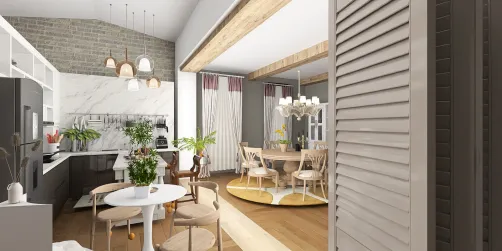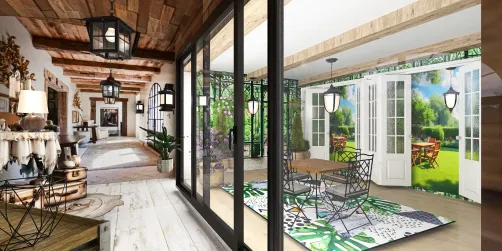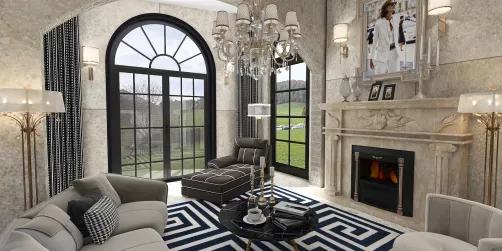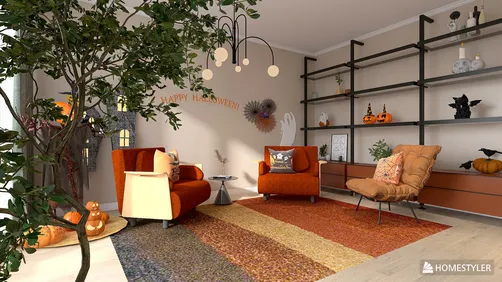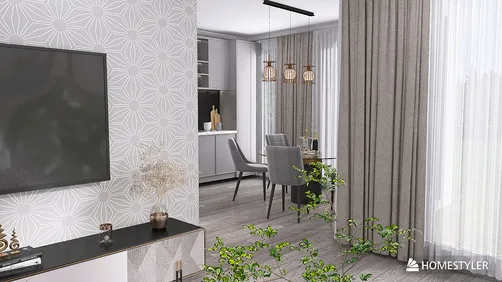
I once had a client who whimsically wished for a dining table that would disappear after guests departed—she humorously referred to it as a table that could ‘go to Narnia’ when not in use. This quirky request prompted me to reevaluate the balance between functionality and design, highlighting how even a small footprint can inspire grand ideas. If you find yourself constrained by limited space, consider transforming your kitchen into a compact cooking area where priorities align with necessity.
1. Wall-mounted drop-leaf table
I have a soft spot for wall-mounted drop-leaf tables—they create an inviting atmosphere in the kitchen when needed and neatly tuck away when not. These solutions are budget-friendly and straightforward to install, although it’s essential to ensure that the wall is sturdy; plaster walls may require additional support. A practical tip: opting for a prefab drop-leaf is generally more economical than custom options while still maintaining a polished appearance with an excellent finish.
save pin
2. Narrow console-to-table
Transforming a slim console table into a dining surface is a smart move: simply move it away from the wall and add a couple of stools. The benefit is a sleek design that can double as an entryway surface or a buffet; however, limited seating width makes it ideal for couples or quick breakfasts. I implemented this in a studio, and my client swore it was the perfect balance between efficient use of space and functionality.
save pin
3. Built-in banquette with storage
A small L-shaped banquette can be seamlessly tucked into corners, offering cushioned seating with concealed storage beneath the bench—excellent for kitchens with challenging layouts. Although it requires more initial commitment to construct and upholster, the benefits include enhanced comfort and organized surfaces. Before getting started, I prefer to sketch the proportions with quick floor plans to ensure smooth traffic flow around the banquette.
save pin
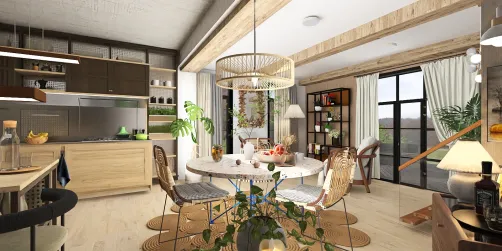
4. Round pedestal table for tight circles
Round tables can minimize the empty space that square designs create, and the pedestal base allows for extra legroom. They promote conversation and fit more easily into unconventional corners than rectangular tables; however, they might complicate arrangements in kitchens with numerous doors or islands. My advice: select a diameter that provides at least 24 inches per seated person, and choose lightweight materials if you plan to move it frequently.
save pin
5. Folding panels or sliding table extension
For those who host infrequently, a folding panel mounted on runners or a sliding extension concealed under a counter can significantly enhance your dining experience. This solution keeps the main surface elegant and clear on a daily basis, but it’s crucial to use high-quality hardware to prevent sagging. I like to visualize how the extension impacts sightlines with a realistic room preview to steer clear of unexpected outcomes.
save pin
FAQ
Q: What table shape is best for a small kitchen?
A: Typically, I suggest either round or narrow rectangular tables—round tables conserve corners while narrow tables fit better within circulation paths. Consider how people will navigate around the table before selecting a shape.
Q: How much clearance do I need around a kitchen table?
A: Aim for a clearance of at least 36 inches (approximately 90 cm) from the edge of the table to any obstruction for comfortable movement; 42 inches is optimal if feasible. Less space can make it challenging to push chairs back.
Q: Are foldable tables durable enough for daily use?
A: High-quality folding tables can be quite resilient—seek out sturdy hardware and robust edge finishing. They work exceptionally well in multi-functional homes, but anticipate needing to replace lighter models more frequently.
Q: Can a banquette fit in a rental?
A: Absolutely—consider freestanding benches or modular seating options that can be removed. While built-in solutions are attractive, they aren’t always allowed in rental spaces, so reversible options tend to be smarter.
Q: What materials work best for small kitchen tables?
A: Light-toned wood, laminate, or powder-coated metal reduce visual weight and create an illusion of a more spacious area. Avoid heavy, dark materials unless the rest of the kitchen is well-ventilated.
Q: Any quick styling tips to make a small table feel intentional?
A: Keep the tabletop clear—one well-chosen centerpiece like a low bowl or slender vase creates a neater appearance than multiple items. Using uniform stools or benches can visually tidy up the base, and storing items underneath seating when possible adds to the overall organization.
Q: How do I plan layout changes accurately?
A: Measure diligently and experiment with cardboard cutouts or a straightforward digital plan to assess circulation. I often rely on precise sketches and mockups before committing to actual renovations.
Q: Are there official standards for kitchen clearances?
A: Yes—resources like the National Kitchen & Bath Association (NKBA) provide layout guidelines; refer to NKBA’s recommendations (https://nkba.org) for detailed clearance and workflow standards.
save pin
Homestyler is your go-to online platform for home design! With its user-friendly design tool, stunning 3D renderings, and a wealth of DIY video tutorials, you can effortlessly create and visualize your dream space. Transform your ideas into reality today!