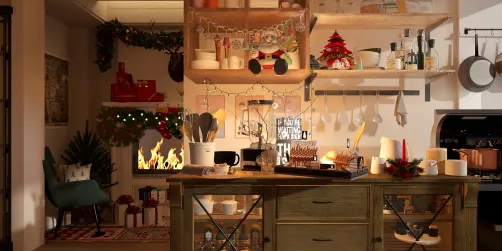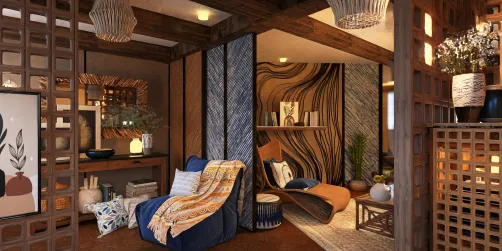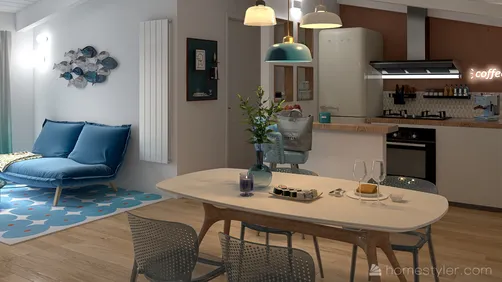
Having designed countless small kitchens, I find immense satisfaction in transforming a compact space into an efficient culinary hub that rivals any flagship suite. Achieving this involves a meticulous blend of ergonomics, lighting principles, material selection, and thoughtful spatial arrangements, rather than mere guesswork.
My design methodology is guided by two key benchmarks. Firstly, the importance of task lighting: the Illuminating Engineering Society advises maintaining 300–500 lux for kitchen activities, with 500 lux being an optimal benchmark for counter areas to ensure secure meal preparation. Secondly, I focus on movement efficiency, drawing on Gensler’s studies that establish a direct link between effective circulation and enhanced productivity, which is particularly relevant in streamlined kitchen workflows. Incorporating Homestyler can be beneficial in visualizing these concepts in your kitchen design.
Creating Defined Work Zones: Order Versus Disorder
For small kitchens to excel, it is essential to maintain clear and distinct zones while ensuring unobstructed traffic flow. I delineate four primary micro-zones: preparation, cooking, cleaning, and storage. The distance between these zones should remain minimal; ideally, no more than a few steps apart. A spacing of 900–1200 mm (36–48 in) between opposing areas enhances functionality without creating a cluttered atmosphere. Utilizing a room layout tool, such as Homestyler, can assist in simulating various aisle widths, ensuring efficient navigation before finalizing the design.
Reassess the Working Triangle (And Then Innovate)
The traditional kitchen triangle formed by the sink, cooktop, and refrigerator remains effective, but compact kitchens can truly thrive with a modified triangle that includes a staging shelf for added functionality. Aim for each side of the triangle to measure approximately 1.2–2.4 m (4–8 ft), and avoid corners that contract to less than 1 m, which can lead to congestion. Incorporate a small landing area of 300–400 mm (12–16 in) close to the fridge or oven to streamline movement and prevent workflows from colliding with sink-related tasks.
Lighting Strategy: Multi-Layered, Glare-Free, and True to Color
I implement three layers of lighting: ambient, task, and accent. An ambient level of 200–300 lux creates a comfortable environment; 500 lux is directed at counters and stovetops for task-specific lighting; and accent lighting enhances textured backsplashes, providing depth. Choose LEDs with a CRI of 90 or higher, ensuring that tomatoes look as they should, and set their color temperature between 3000–3500K to achieve warmth without altering the appearance of white materials. Under-cabinet strips should be installed at the front with a 30–60° cutoff shield to eliminate glare on polished counters. Check that task lighting reaches the 500 lux target as advised by IES before reducing ambient lighting by approximately 20% during evening hours to alleviate visual strain.
Storage Solutions: Vertical, Pull-Out, and In Reach
In a constrained kitchen design, anything beyond a 600 mm (24 in) reach is wasted space. I advocate for full-height pantries featuring 450–500 mm (18–20 in) deep pull-outs, alongside 150 mm (6 in) spice pull-outs flanking the cooking area, and toe-kick drawers for trays. Address corner challenges with kidney or magic corner hardware instead of lazy Susans that waste space. Utilize wall cabinets that extend to the ceiling to minimize dust build-up and gain an extra 10–15% more storage compared to open-top cabinets.
Countertop Design: Consistency and Edge Management
In compact kitchens, a uniform thin-edge countertop (20–25 mm or 3/4–1 in) can visually lighten cabinetry. I ensure a continuous prep area of at least 900 mm (36 in) with no interruptions. Waterfall edges on one side can give the appearance of a lengthened galley, though care must be taken to balance visual weight with adequate lighting.
Appliance Selection: Compact Without Compromise
Select ranges in the 24–30 inch range, 24 inch dishwashers, and counter-depth refrigerators to maximize aisle space. Opt for panel-ready models to unify the visual elements of the kitchen while maintaining a consistent toe-kick line to avoid a mismatched look. If baking is a frequent task, consider integrating a 24 inch wall oven with a flush microwave drawer below to consolidate heat sources and preserve counter space.
Ergonomics Considerations: Heights, Handles, and User Preference
Counter heights of 900 mm (36 in) accommodate most cooks; for shorter individuals, consider adapting to 865–880 mm (34–34.5 in) on the main prep run. Place the dishwasher within one step of the sink but allow for 600 mm (24 in) of clear counter space on the latch side. Pull handles provide better leverage for opening larger drawers compared to knobs, and I recommend 160–224 mm (6–9 in) pulls. Position frequently accessed items between 600–1500 mm (24–60 in) above the floor to reduce strain, a principle echoed by ergonomics best practices in various work settings.
Color Psychology: Bright, Yet Subdued
Effective small kitchens flourish with light, muted hues accented by a single vibrant color. Soft whites, warm grays, and tepid greens promote a calming atmosphere, whereas intense reds and stark contrasts can elevate energy levels and create a claustrophobic feel. If color is favored, limit it to backsplashes or upper cabinetry, maintaining understated finishes on base cabinets for better spatial perception.
Material Choices: Durable, Cleanable, Eco-Friendly
Quartz with subtle patterns effectively conceals crumbs while reflecting light without glare. Matte-finish cabinet fronts are less prone to fingerprints than gloss finishes, yet they can still amplify the light when paired with strong task lighting. Consider using FSC-certified plywood for cabinetry and low-VOC finishes to ensure longevity and enhance indoor air quality. Whenever possible, verify emissions through product disclosures.
Acoustics and Appliance Noise Management
In small kitchens adjacent to living areas, I prioritize quiet dishwashers (42–47 dBA) and induction cooktops to minimize noise. Installing sound-absorption panels behind fridges and felt mats beneath utensil drawers silences clatter. For open-plan configurations, a soft runner and acoustic wall decor can mitigate echoes.
Compact Layouts That Exceed Expectations
Arrange sink, prep, and cooking areas in a straight line with a 900 mm (36 in) mobile cart as a versatile landing space. Position it near the fridge for unloading and alongside the range when cooking. Experiment with layouts using an interior planner to confirm necessary turning radius.
Situate the main sink across from the cooktop, offset by 600 mm (24 in) to avoid head-on interactions. Maintain a distance of 1000–1050 mm (39–41 in) between work areas to enhance comfort for two-person operations.
Utilize the shorter leg of the kitchen for small appliances and a 600 mm (24 in) pocket pantry to manage countertop clutter, while the longer leg transforms into an uninterrupted prep area.
Smart Lighting and Daylight Integration
I integrate dimmable lighting controllers with dedicated circuits for under-cabinet, overhead, and accent lighting. A basic three-scene setup—Prep (100% task lighting), Cook (70% ambient/100% task), and Dine (40% ambient/60% accent)—keeps energy consumption low while creating the right ambiance. In areas with windows, I specify matte surfaces and low-sheen backsplash tiles to minimize reflective issues, allowing natural light to enhance, rather than hinder, cooking tasks. This layered approach aligns with WELL’s guidelines on light exposure and glare management.
Ventilation and Ensuring Indoor Air Quality
Recirculating hoods are usually insufficient for compact kitchens. If feasible, aim for an exterior vent with a capacity of 250–400 CFM for standard cooking tasks, utilizing at least a 150 mm (6 in) duct and ensuring smooth airflow. Induction cooktops help control heat dispersal, allowing for lower fan speeds without sacrificing air quality. To maintain effective air circulation, avoid constructing fully sealed door thresholds.
Visual Strategies to Expand Perception of Space
• Employ continuous backsplash lines without arbitrary height variations. • Use open shelving only where contents can remain orderly; limit to 600–900 mm (24–36 in) lengths. • Maximize two glass-front doors on cabinets positioned opposite a window to maximize light reflection. • Choose floor tiles in the 300×600 mm (12×24 in) size laid in a 1/3 offset pattern to elongate the visual space. • Integrate LED lighting in toe-kicks for an ethereal floating base effect at night.
Safety and Clearance Recommendations
Maintain a gap of 400–450 mm (16–18 in) between the edge of the cooktop and tall vertical structures; a distance of 600 mm (24 in) is ideal for comfort. Position outlet locations 300–450 mm (12–18 in) above counters, but outside splash zones; adding a pop-up outlet on the island is advisable. Softer edges at frequently trafficked corners help prevent accidents in tight spaces.
Planning Phases and Budget Strategies
Phase 1: Simple enhancements like lighting swaps and new hardware can achieve immediate improvements. Phase 2: Focus on storage upgrades—incorporating pull-outs, toe-kicks, and vertical dividers. Phase 3: Invest in surfaces and appliance updates. Prioritize investment in areas that are frequently utilized: drawer systems, lighting, faucets, and the main countertop, as these elements can significantly elevate the overall feel of the space, even in a modest shell.
Checklist for Small Kitchen Success
• Maintain task lighting of at least 500 lux at counters; use 90+ CRI; color temperature of 3000–3500K. • Design aisles measuring 900–1050 mm (36–41 in) based on user count. • Ensure landing zones near fridge/oven reach 300–400 mm (12–16 in). • Store frequently used items within 600–1500 mm (24–60 in) AFF. • Select quiet appliances targeting 42–47 dBA for dishwashers. • Pursue external ventilation whenever possible; prioritize induction when needed.
Frequently Asked Questions
Aim for about 500 lux directly above working surfaces using under-cabinet lighting, augmented by 200–300 lux for ambient light. Apply a CRI of 90+ and a color temperature of 3000–3500K for accurate food presentation.
For a single user, 900–1000 mm (36–39 in) of space is sufficient. If multiple cooks share the space, extend it to 1000–1050 mm (39–41 in) to avoid collisions.
Certainly, as a guideline, but ensure you incorporate a landing shelf near the fridge or oven. Maintain triangle sides around 1.2–2.4 m (4–8 ft) without any side measuring under 1 m.
Low-chroma neutrals like soft whites, warm grays, and muted greens can create the illusion of more space. Use one accent color on upper cabinetry or backsplashes to avoid overwhelming contrasts, supporting principles of color psychology in managing stress levels.
Opt for counter-depth refrigerators, ranges between 24–30 inches, 24 inch dishwashers, and induction cooktops. Panel-ready finishes eliminate visual distractions, contributing to a cohesive design.
Include full-height cabinets, pull-out pantry systems, toe-kick drawers, and corner pull-out mechanisms. Store frequently used items between 600–1500 mm (24–60 in) above the floor to limit bending.
Use a digital planning tool for prototyping to evaluate aisle dimensions, clearances, and landing areas; a design visualization platform such as Homestyler can facilitate rapid iterations.
Specify front-mounted under-cabinet lighting strips with a cutoff lip, use matte or honed finishes, and position fixtures at a 30–60° angle to minimize reflections.
Induction cooking minimizes heat plumes and temperature but it's still beneficial to pair it with an external vent (250–400 CFM) for effective moisture and odor management.
Select tiles of 12×24 inches arranged in a 1/3 offset layout or opt for narrow planks aligned along the longer side. Choose grout colors similar to tile tones for a seamless appearance.
Separate ambient, task, and accent lighting on independent dimmers to facilitate control. Create scenes for Prep (bright, cool-biased), Cook (balanced), and Dine (dimmed ambient with accent lights).
Transition to 90+ CRI LED under-cabinet lights, install long pull handles, place a pull-out waste bin near the sink, and introduce a slim rolling island cart to ensure ample landing space.
Discover your inner designer with Homestyler! This user-friendly online platform offers a powerful design tool, stunning 3D renderings, and a wealth of design projects and video tutorials. Whether you're a beginner or an experienced designer, Homestyler makes it easy to create your dream space!