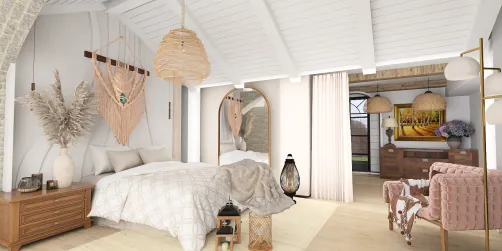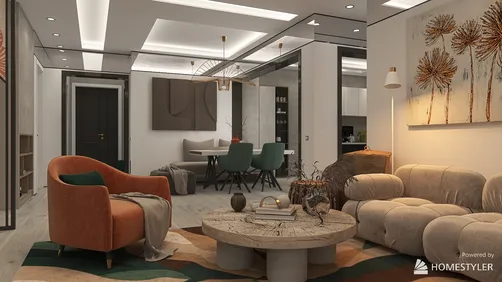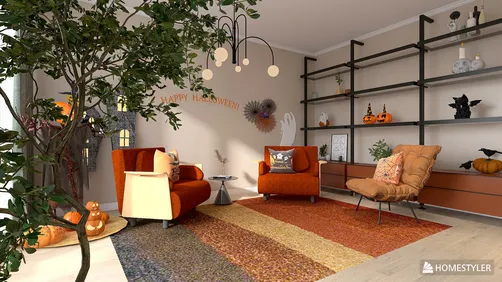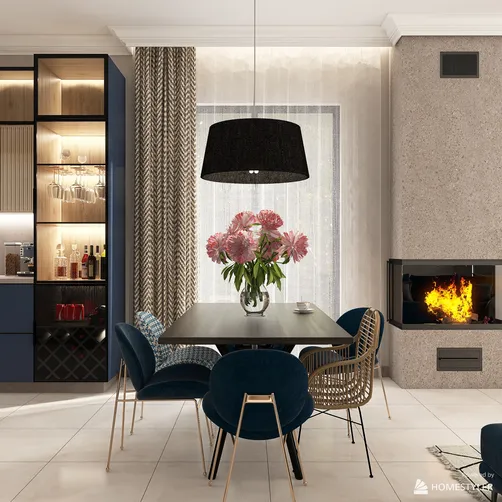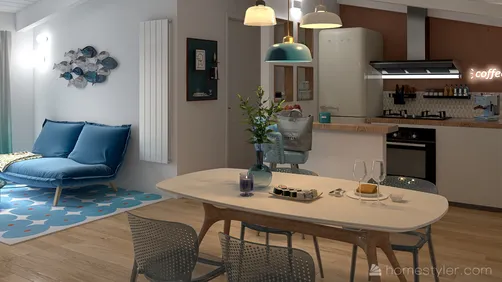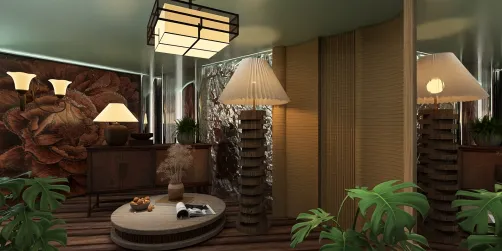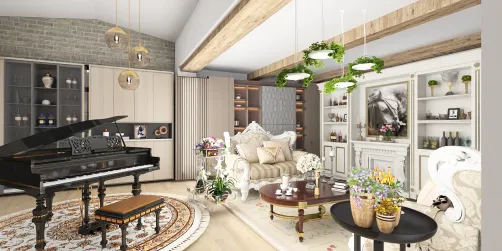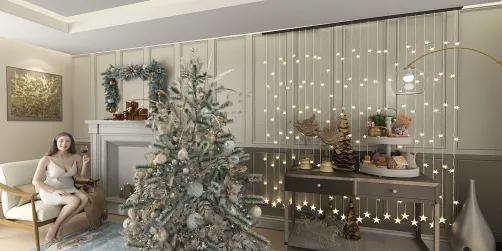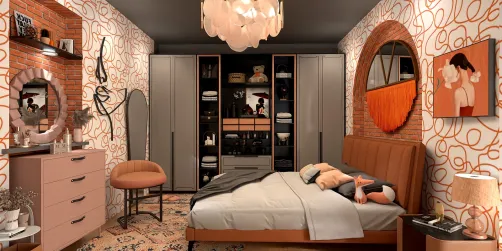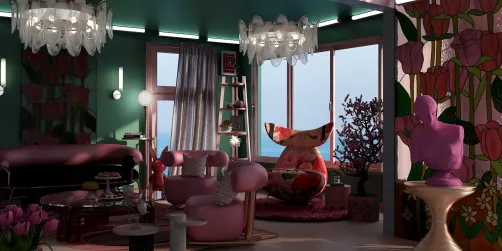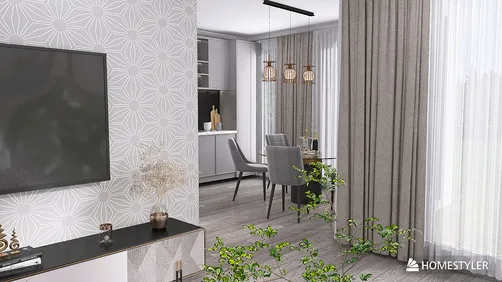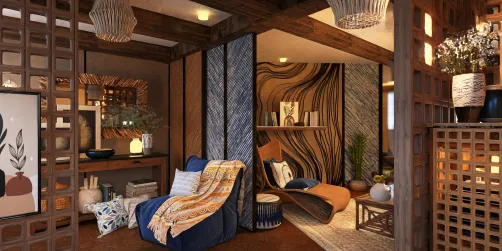
In a past design project, I crafted a compact living space for a couple who desired a full dining experience within just 9 square meters. They even requested a table that could fold into their sofa! Though it seemed humorous at first, I successfully achieved their vision, which enlightened me on how a small dining table can significantly enhance even the tiniest living room. If you’re seeking inspiration for small dining table designs, I’m here to share practical solutions drawn from my professional toolkit, including utilizing tools like Homestyler to visualize layouts.
1. A wall-mounted drop-leaf for multifunctionality
I appreciate a drop-leaf table that can disappear when not needed—it's like having magic in your small space. It's cost-effective, easy to set up, and ideal for light meals or working on your laptop. Just ensure you select durable brackets and a solid top to prevent any wobbling under weight.
save pin
2. Slim rectangular table positioned beside a window or sofa
Positioning a slender table parallel to a sofa or window keeps the space open while creating an informal dining bar. It comfortably seats two and can serve as a console table, though you might sacrifice space for larger gatherings; I’ve fit four people together during game nights using folding stools.
save pin
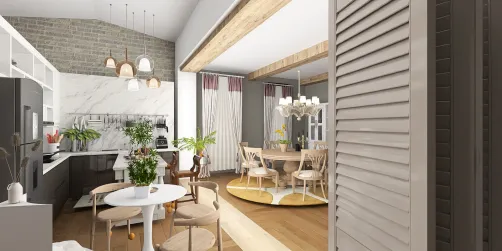
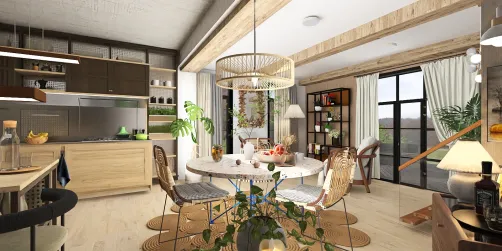
3. Round pedestal table for space-saving
Round tables maximize corner space and visually expand the area. The pedestal base provides ample legroom and ease of movement. They can be on the pricier side, so choosing the right size is crucial to avoid overwhelming a narrow room. Generally, I suggest a tabletop diameter of about 90 to 100 cm for small living areas, using tools like Homestyler to map out optimal layouts before purchases.
save pin
4. Expandable or folding tabletop for versatile hosting
An extendable dining table maintains a compact form while offering more surface area for entertaining guests when needed; this is a perfect compromise. However, be mindful that the extension mechanism can add to the overall cost and weight. I’ve often utilized lightweight extension leaves to keep the design stylish yet manageable across various projects.
save pin
5. Include storage: bench seating with built-in drawers
Incorporating benches can conceal clutter and create a more spacious feel around a small table. While benches may not be as comfortable as traditional chairs for extended meals, adding cushions and staggered backrests can enhance comfort. For layouts that require integration, I frequently draw inspiration from my kitchen functionality to create a harmonious flow, particularly in shared living and kitchen zones—consider this as drawing ideas from my kitchen layout concepts.
save pin
FAQ
Q1: What size table works best in a small living room?
A compact round table measuring 90 to 100 cm or a narrow rectangular table with a width of 60 to 80 cm is ideal for seating two to four people while maintaining open circulation.
Q2: Are folding tables reliable for everyday use?
Yes, many modern folding tables are constructed to be stable for daily meals, provided you select solid materials and quality hardware; it's best to avoid ultra-light particleboard if you expect frequent use.
Q3: How do I make my dining area feel less confined?
Consider using light colors, choosing slim-profile furniture, and opting for multifunctional items like storage benches. Incorporating mirrors and maintaining consistent flooring can also help to visually expand the area.
Q4: Can living room seating and dining seating be combined?
Absolutely—a narrow table against a sofa or using the sofa as one side of the dining seating is quite common; just make sure the table height aligns with the sofa height for comfortable dining.
Q5: What’s an economical option for small dining setups?
A simple wall-mounted drop-leaf table or a second-hand tabletop on new brackets can deliver excellent performance at a low cost; updating the look with cushions and paint can enhance your space affordably.
Q6: How much clearance should I leave around a dining table?
Ensure at least 75 cm of clearance behind chairs for comfortable movement; for more generous circulation, aim for 90 cm. In work zones for kitchens and dining, refer to NKBA spacing guidelines for optimal usability (Source: https://nkba.org).
Q7: Is a round table preferable to a rectangular one in limited spaces?
Round tables often appear less visually overwhelming and facilitate movement in tight spaces, though the table's orientation is important: a narrow rectangular table can be more space-efficient against a long wall.
Q8: What materials should I select for durability in small homes?
Opt for solid wood or veneered plywood for long-lasting stability; while laminates can resist scratches, providing a cheaper appearance, pairing them with higher quality legs or trims helps achieve a well-balanced look.
save pin
Discover Homestyler, the ultimate online home design platform! With its easy-to-use design tool, stunning 3D renderings, and a wealth of design projects and video tutorials, you can effortlessly create your dream space. Perfect for both beginners and seasoned designers alike!