One time, a client requested to fit an 8-person dining table into a nook as small as a closet. For a moment, I thought about suggesting they host only standing dinners! Instead, I channeled that initial panic into a miniature case study, resulting in a solution I still adore: a foldable round table accompanied by two benches, ingeniously designed to make the snug area feel purposeful rather than cramped. If you're interested in witnessing a small dining transformation I captured, I'd be happy to share my creative process with you.
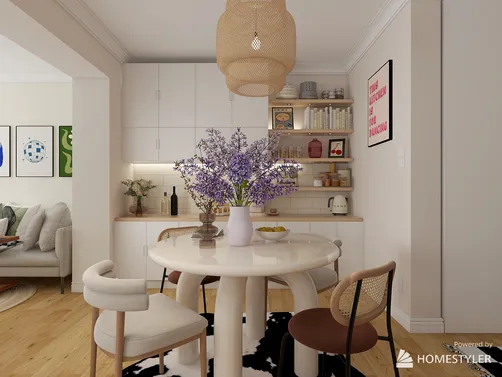
1. Round table paired with movable chairs
When dealing with limited spaces, I frequently opt for a round table as it softens the sightlines and allows for ease of seating. Its flexible design promotes better circulation in the room; however, keep in mind that you will forfeit some surface space, so having a console nearby is advisable. Using tools like Homestyler can assist in visualizing these layouts effectively.
save pin
2. Drop-leaf or folding table positioned against the wall
A quick tip I love is utilizing a drop-leaf table that can transform into a console when folded away — it's ideal for apartments or spaces serving multiple purposes. This option is budget-friendly and conserves floor space, but ensure the hinges and edges are sturdy for frequent use.
save pin
3. Bench seating with a narrow table
Benches fit seamlessly beneath a slim table, which reduces visual clutter; I utilized this approach in a kitchen nook where traditional chairs would have obstructed a radiator. This design allows more seating and compact storage solutions; though keep in mind, benches could be less comfortable for prolonged dining without padding.
save pin
4. Bistro setup by the window
Setting a petite two-person table next to a window can cleverly convert an underused area into a charming dining location that highlights natural light and the view. This setup is perfect for leisurely breakfasts alone, yet may not accommodate larger gatherings — but that's perfectly acceptable if you plan for more layered seating in other parts of the space. For additional layout inspirations, I often refer to the downloadable floor plans I created for a recent studio renovation that are accessible via platforms like Homestyler.
save pin
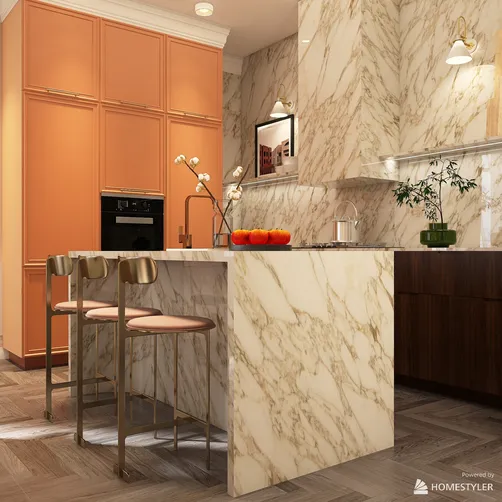
5. Multi-functional island or console that doubles as dining space
A shallow console table or narrow island can be pulled away from the wall, serving as a dining area when needed — an excellent choice for spaces that require versatile surfaces. This investment in functionality can be quite effective; however, it necessitates careful planning regarding plumbing or appliance positioning if the island is located in the kitchen. I previously utilized this strategy while redesigning a compact kitchen using Homestyler to visualize the layout.
save pin
FAQ
1. What size table is most suitable for a small dining area?
I suggest starting with measurements for clearances; for two to four people, consider a table that’s 60–90 cm (24–36 in) wide. Always allow for a clearance of at least 75–90 cm around the table to facilitate comfortable movement.
2. Are round tables more advantageous than rectangular ones in small spaces?
Round tables minimize corner interference and enhance flow, often helping a compact room to appear larger. In contrast, rectangular tables can be more convenient for serving, so decide based on how you plan to utilize the area.
3. Can benches genuinely optimize space?
Absolutely — benches can slide beneath tables and visually reduce the overall profile of the arrangement, creating a sense of openness. Consider adding cushions for comfort and include storage under the bench if feasible.
4. What clearance is recommended around a dining table?
The NKBA (National Kitchen & Bath Association) recommends a clearance of 36 inches (approximately 91 cm) between the edge of the table and walls or other obstacles for smooth passage; 48 inches allows two individuals to pass behind seated diners comfortably (source: https://www.nkba.org).
5. Which materials are best for compact dining tables?
Light-colored woods, glass, or slender metal frames minimize visual heaviness and contribute to a more open feel in small rooms. While heavier, darker materials may lend a luxurious touch, they can overwhelm confined spaces.
6. Is a drop-leaf table durable enough for everyday use?
Contemporary drop-leaf tables equipped with quality brackets and solid surfaces can withstand daily dining; however, it's wise to assess weight ratings and hinge strength for regular use. If you anticipate significant wear, consider opting for thicker tops.
7. What strategies can I use to enhance the versatility of a small dining area?
Invest in furniture that serves dual purposes — console tables, adjustable tops, and stackable chairs are excellent selections. Multi-functional lighting and rugs that delineate areas can also contribute significantly.
8. How do I choose seating that ensures comfort in a compact space?
Focus on ergonomic design: a typical seat height of 45–48 cm works well, and slightly narrower seat widths can conserve space without compromising comfort. Testing samples when possible is crucial, and consider foldable designs for accommodating extra guests.
Homestyler is your go-to online home design platform! With its user-friendly design tool, stunning 3D renderings, and a wealth of inspiring design projects and video tutorials, you can effortlessly create and visualize your dream space. Bring your vision to life today!
















![[For dear Adelina madee 🤎]](https://hs-designs.homestyler.com/production/design/images/8a07e535-9cbc-4132-a42a-5932dac3a112/1706972286037.jpg?x-oss-process=image/resize,w_502,m_mfit/format,webp)