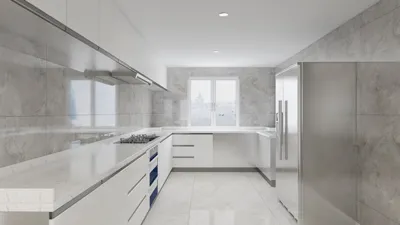


I once had a client who wanted to fill every inch of a tiny wall next to their dining table with framed photographs — it resembled a gallery of birthday celebrations past. I learned that simplicity often makes a stronger statement, and that thoughtful selections can turn a small dining wall into a purposeful accent rather than a chaotic display. For a quick design boost, explore this room planning case study featuring Homestyler for effective inspiration: room planning case study.
1. Large single artwork
I frequently suggest using one substantial piece of art rather than a crowded gallery wall in smaller dining rooms. A striking painting or print establishes a central focus and visually expands the area. Moreover, it tends to be forgiving if the frames are not flawlessly aligned. However, a potential drawback is that a darker piece can feel overwhelming, so it’s wise to pair it with lighter fabrics and a hanging lamp.
save pin
2. Slim shelves with selected decorations
Using floating slim shelves allows for an arrangement of small sculptures, plants, and a photograph without overwhelming the wall. This setup is adaptable — you can experiment with item heights and change them according to the seasons. A slight challenge would be maintaining order on the shelf; I advise clients to restrict themselves to three to five items to avoid a cluttered appearance.
save pin
3. Mirrors to enhance brightness
Strategically placing a mirror can reflect daylight, creating the illusion of a broader space in narrow dining areas. Round or arched mirrors help to soften the room and contrast appealingly with rectangular tables. Keep in mind that mirrors can show smudges, so opt for a frame that’s easy to clean and position it high enough to avoid contact with chairs.
save pin
4. Decorative wall panels or removable wallpaper
I have installed peel-and-stick grasscloth and subtle wood paneling to introduce texture without extensive work — both options add warmth and disguise minor wall flaws. While these solutions may slightly exceed the cost of paint, they deliver significant visual impact. For renters, removable wallpaper is a flexible alternative.
save pin
5. Small gallery — but with guidelines
If you prefer a collection of multiple pieces, ensure the arrangement has a clear structure: use the same frame color, consistent matting, or maintain equal spacing between items. This consistency allows the collection to be perceived as a cohesive statement instead of a jumbled display. Though it requires some planning, it definitely helps the area feel curated rather than cramped; for layout suggestions applicable to other spaces, refer to these kitchen wall layout examples: kitchen wall layout examples.
save pin
Tips 1:
Consider hanging art slightly lower than usual — around 56-58 inches from the floor to the center — in a compact dining nook to create an intimate atmosphere rather than a lofty one. Additionally, a slim rail picture hanger can simplify the process of rotating artwork.
save pin
FAQ
Q1: What size artwork is ideal for a small dining room wall?
A single piece should approximately take up two-thirds to three-quarters of the width of the furniture below. In cozy dining spaces, somewhat oversized art tends to work better than an array of small frames.
Q2: Can mirrors serve as a substitute for artwork in dining areas?
Absolutely — mirrors can effectively reflect light and depth, making them an excellent alternative to artwork, particularly in spaces that lack natural illumination.
Q3: At what height should I hang pieces above the dining table?
Art or mirrors should be hung so that the center is around 56-58 inches from the ground; for pieces above a table, ensure the bottom edge sits approximately 8-12 inches above the tabletop for optimal sightlines.
Q4: Are removable wallpapers sturdy enough for dining spaces?
Contemporary peel-and-stick wallpapers are designed for durability and work well for interiors; steer clear of overly textured options near cooking areas where grease might accumulate.
Q5: How can I prevent a cluttered gallery wall?
Utilize consistent frames or mats, ensure equal spacing, and limit the color palette of the artwork; creating a mockup on paper or using taped layouts can help avoid mistakes in arrangement.
Q6: What type of lighting is best for showcasing wall decor?
Adjustable picture lights or dimmable pendants can add drama and reduce glare. Combining ambient and accent lighting will create the ideal atmosphere for dining.
Q7: Are there specific materials better suited for humid dining areas?
Materials resistant to moisture such as sealed wood, metal frames, or acrylic prints are more suitable than paper-based artworks in humid conditions.
Q8: Should a focal point be created for small dining spaces?
Indeed. The American Society of Interior Designers (ASID) recommends establishing a primary focal point—be it art, a mirror, or a textured panel—to enhance spatial perception and overall user experience.
save pin
Discover Homestyler, the ultimate online home design platform! With its user-friendly design tool, stunning 3D renderings, and a wealth of DIY video tutorials, you can effortlessly bring your interior design visions to life. Start your creative journey today!
Design jetzt kostenlos
































