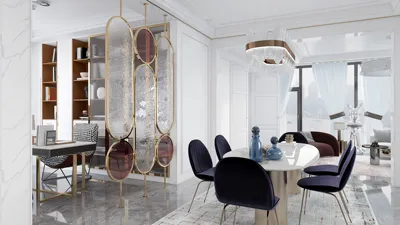


I once took on the challenge of designing a compact studio where the client wished for a dining area that could seat six, a dedicated workspace, and a yoga space — all within a mere 120 square feet. My initial reaction was to chuckle, but after measuring and devising a plan, I discovered that working within small confines encourages innovative solutions; sometimes, a smart hinge or a well-placed cushion can maximize utility. If you believe that a small dining area results in poor design, let me guide you — limited spaces can lead to boundless creativity and genuine comfort, particularly when I utilize tools like Homestyler for effective design planning.
1. Wall-Mounted Fold-Down Tables
I'm a huge fan of fold-down tables that attach to the wall because they disappear when not in use. This design option greatly enhances floor space while usually being more affordable than custom cabinetry. However, bear in mind the weight restrictions; I always suggest using robust anchors and uncomplicated fold-out supports. For an economical setup, consider plywood with magnetic closures and a slim shelf above for easy access to dishes.
save pin
2. Built-in Banquette Seating
Transforming awkward corners into inviting dining spots, banquettes provide extra hidden storage under the seating. I once added a banquette to a cozy 35㎡ apartment, and it made the entire living area feel thoughtfully designed — guests assumed it was custom-built (it was semi-DIY). The only downside? It’s less adaptable than traditional chairs, but with cushions and removable covers, maintaining it is a breeze.
save pin
3. Expandable Console Table
A slender console table that unfolds into a full dining table helps keep walkways clear during the week and allows for hosting dinner parties on the weekends. Before committing to a purchase or a DIY project, I recommend a quick space visualization to assess clearances and flow — I rely on digital mockups for clients, which prevents future problems. Just be prepared for slightly awkward leg positions when fully extended; opt for options with sturdy leaves and a central leg for support.
save pin
4. Vertical Storage and Narrow Sideboards
When floor space is at a premium, think vertically: floating shelves, slender sideboards, and wall-mounted lighting all help to save precious dining area. In one narrow apartment, I implemented vertical storage, and it magically created space for a small round table — this visual strategy works every time. Just be cautious of clutter: keep shelves organized and use bins to conceal everyday items.
save pin
5. Micro-Dining Zones with Rugs and Lighting
Defining a dining space with a small rug and a pendant light can give the impression of a separate room without physical barriers. I love to combine a low-profile rug with warm, dimmable lighting — this style is welcoming for two to four diners. However, you’ll need to carefully balance the scale and hues; a rug that’s too large disrupts flow, so measure thoroughly and select one that complements the overall proportions.
save pin
FAQ
Q1: What is the ideal size for a dining table in small apartments?
I typically suggest a round table measuring 80–90 cm (31–36 inches) for seating two to four people. Round designs fit more naturally in tight spaces and can easily be pushed against walls when needed.
Q2: Are built-in banquettes a good investment in limited spaces?
Absolutely, if you're seeking integrated seating and storage options. They optimize seating capacity and often remove the necessity for extra chairs, though it may limit flexible seating arrangements.
Q3: How can I create the illusion of a larger dining area?
Incorporate light colors, mirrors, and vertical storage solutions; a pendant light above the table also serves to define the space visually. Ensure pathways remain unobstructed to preserve a sense of openness.
Q4: What type of lighting is best for a small dining nook?
A single warm pendant light centered over the dining table creates a significant impact—opt for dimmable fixtures to switch between working and dining atmospheres. Steer clear of too many competing light sources that may fragment the space.
Q5: Can I use my small dining area as a workspace as well?
Definitely. A folding or expandable table works perfectly: clear it off after your work hours, add cushions for dining, and utilize vertical storage to keep office clutter at bay. Multi-functional furniture is essential for my small apartment designs.
Q6: What chairs should I choose for compact dining areas?
Select armless, stackable, or folding chairs that can be conveniently tucked away. Lightweight materials such as bentwood or slender metal designs contribute to an open atmosphere.
Q7: What are standard heights for dining tables?
As per Architectural Digest, standard dining table heights range from 28–30 inches (71–76 cm), which pairs well with most chairs, providing comfortable legroom (source: https://www.architecturaldigest.com). I always measure the chair seat height prior to finalizing the table selection.
Q8: What budget should I set for a small dining room makeover?
You can revamp a dining nook for under $200 with just paint, a new rug, and lighting, or invest between $1,000 and $3,000 for custom banquettes or high-quality expandable tables. I suggest focusing first on seating comfort and effective lighting, as these elements have the most impact on daily use.
save pin
Homestyler is your go-to online home design platform, offering a user-friendly design tool and stunning 3D renderings. With a wealth of design projects and DIY video tutorials, you can effortlessly transform your home and unleash your creativity, regardless of your experience level!
立即免费设计
































