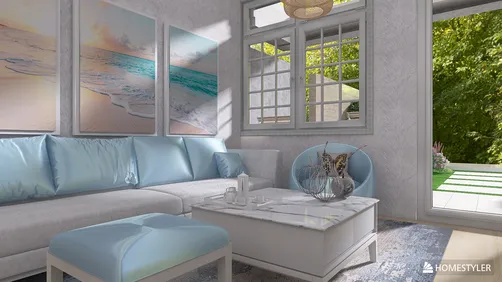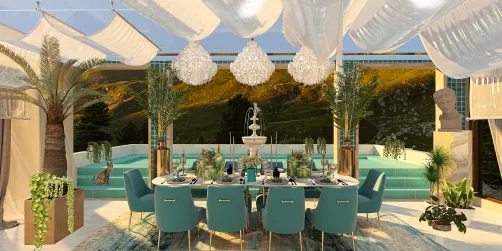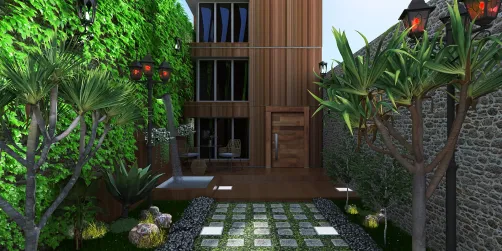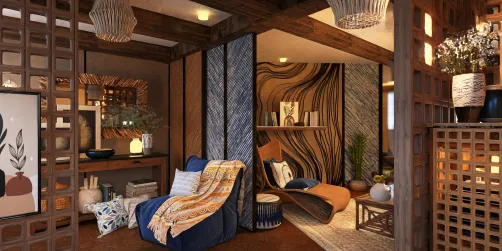
Image-based modeling and rendering (IBMR) represents a revolutionary advancement in 3D graphics that utilizes 2D imagery to construct intricate and lifelike three-dimensional models. This pioneering technique empowers designers to encapsulate the essence of real-life objects and spaces, converting them into visually captivating and highly precise virtual scenes. Integrating tools like Homestyler can further enhance this process, offering an accessible platform for users to explore and visualize designs.
An Overview of Image-Based Modeling
Image-based modeling entails the process of generating 3D representations from photographs or image data. This method is particularly effective for capturing intricate textures and details that would otherwise require significant time to reproduce manually. By scrutinizing various images taken from multiple perspectives, artists can forge a comprehensive 3D model that faithfully represents the subject’s authentic look.
The Rendering Process in IBMR
After the creation of 3D models, the next stage is rendering, which is responsible for breathing life into these models. This process includes producing a 2D image from the 3D representation, incorporating elements like lighting, shadows, and visual effects to improve realism. Within IBMR, several rendering techniques can be applied, such as:
This method emulates the interaction of light with surfaces, resulting in images that are strikingly realistic, complete with precise reflections and shadows.
Rasterization simplifies 3D models into a 2D image through various algorithms, often achieving quicker rendering times at the expense of some realism compared to ray tracing.
Another technique simulates how light reflects off surfaces and interacts within the environment, producing more natural lighting effects.
Use Cases for Image-Based Modeling and Rendering
The techniques of image-based modeling and rendering find their applications across numerous sectors, including:
Final Thoughts
As advancements in technology continue to progress, image-based modeling and rendering will undoubtedly be pivotal in shaping the future of 3D graphics. By harnessing real-world imagery, designers can unlock unprecedented levels of creativity and realism in their projects, especially when utilizing user-friendly platforms like Homestyler.
Frequently Asked Questions
Q: What is the primary benefit of employing image-based modeling?A: The primary benefit lies in its capacity to capture true-to-life textures and details from actual objects, which not only conserves time but also enhances creative potential.
Q: In what way does rendering impact the final appearance of a 3D model?A: Rendering significantly influences the visual quality of the 3D model by integrating elements such as lighting, shadows, and special effects, thus creating a more lifelike representation.
Welcome to the Premier Home Design Software