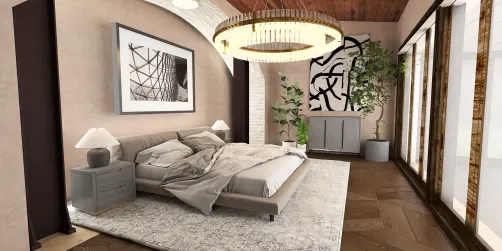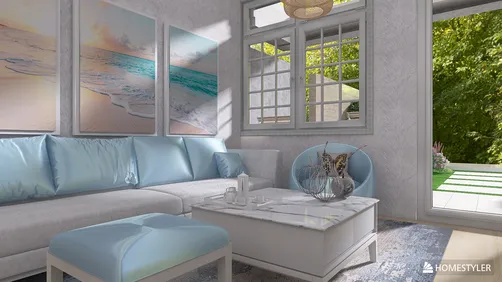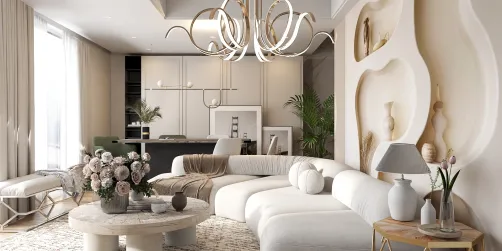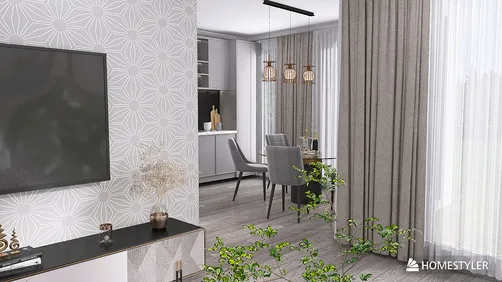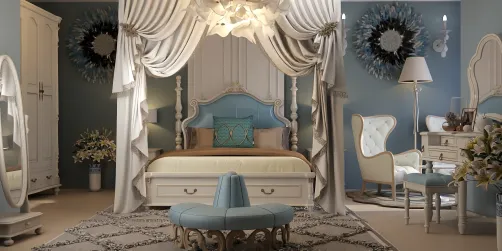
I had a client once who envisioned a dining table that could fold into the wall, serve as a desk, and resemble a sculpture — all within a space the size of a walk-in closet. Initially, I couldn’t help but laugh, but after sketching three different ideas, we settled on a simple L-shape that fulfilled all requirements. Navigating small spaces fosters creativity, proving that sometimes the best solution is a smart design approach. For quick inspiration, I often direct people to various space planning examples that illustrate how furniture placement and flow can effectively work within limited areas: space planning examples.
Small open-concept living spaces and kitchens serve as an exciting design playground — they offer a chance to exercise layered thinking without relying solely on a large budget. Here, I’ll share five practical strategies I implement in my projects to enhance the functionality, liveliness, and spaciousness of these interconnected areas.
1. Create zones with rugs and lighting
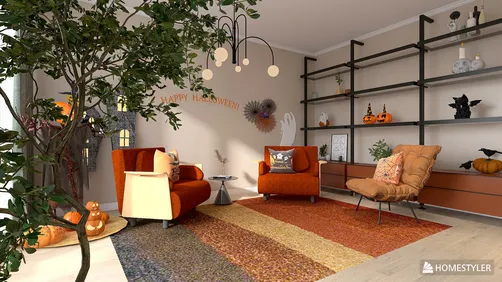
I view rugs and lighting as invisible dividers: a rug delineates the living area, pendant lights anchor the dining area, and a bright task light defines the kitchen workspace. This strategy offers flexibility — you can update the style and dimensions without demolishing walls. However, it's crucial to manage scale: selecting appropriate rug sizes and lighting heights is key, or the space may feel disconnected.
save pin
2. Opt for multifunctional furniture
I particularly favor sofas with built-in storage, extendable tables, and kitchen islands that can serve as working desks. Multifunctional furniture maximizes circulation space while minimizing clutter, which is essential in compact areas. Budget tip: focus on procuring one impactful multifunctional item and keep the remaining furnishings straightforward to manage expenses.
save pin
3. Maintain a visually open kitchen
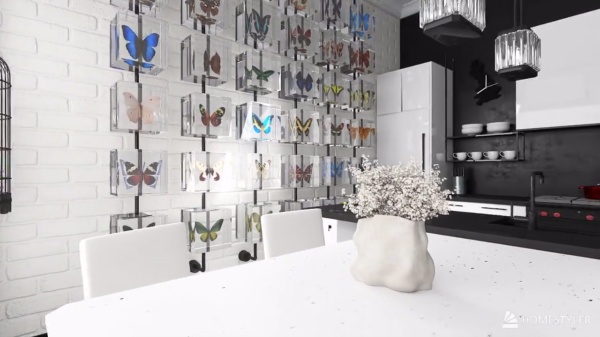
Simple cabinet designs, moderately spaced open shelves, and a uniform backsplash can prevent the kitchen from overwhelming the overall area. For tangible inspiration regarding kitchen proportions and layout, I often guide clients to a visualized kitchen layout that clearly outlines work zones and sightlines: visualized kitchen layout. A potential downside is storage; open shelving appears airy but offers less room for items than closed cabinets, necessitating back-up solutions like tall pantry units.
save pin
4. Implement vertical storage and innovative partitions
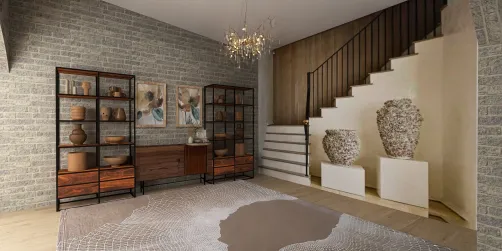
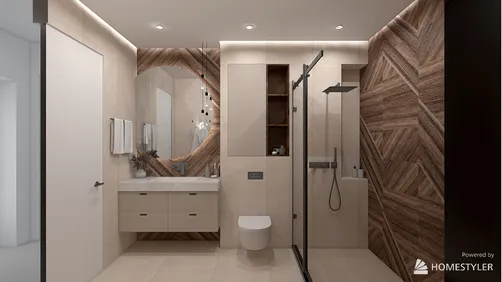
My go-to strategies include tall cabinets, floor-to-ceiling shelves, and sleek sliding partitions. These elements utilize vertical space efficiently and can create privacy without added bulk. The trade-off is that taller units may seem heavy if made with dark materials; opting for lighter finishes or incorporating open niches can help prevent a cave-like effect.
save pin
5. Experiment with layouts using a simple 3D mockup
Experiencing furniture in 3D before making purchases is invaluable. I frequently create quick models to evaluate sightlines, door swings, and walking pathways — this approach saves significant time and effort. For a reliable reference, one can utilize a 3D small-space rendering tool that showcases proportions and finishes to ensure confident buying decisions: 3D small-space rendering. The downside? It incurs a minor upfront expense, but it generally prevents costly errors.
save pin
FAQ
Q: What’s the optimal setup for a combined living room and kitchen in a small apartment?
A: I typically suggest either an open L-shape or a single-wall kitchen paired with a peninsula. These layouts enhance flow while providing natural separation without erecting walls. They pair well with multifunctional islands or compact dining tables.
Q: How can I make the space appear larger without removing walls?
A: Opt for a cohesive color scheme, incorporate reflective materials such as a subtle backsplash or mirrors, and ensure furniture legs remain visible to reveal more floor area. Strategic lighting and vertical lines can also visually lengthen the room.
Q: Are open shelves practical in a small kitchen?
A: Absolutely, if you choose your items carefully. Open shelving reduces visual weight but requires organization: everyday essentials should be neatly displayed, while larger equipment can be stored in enclosed cabinets.
Q: What clearance space should I maintain between counters and seating?
A: For safe, comfortable movement, aim for at least 42 inches (approximately 107 cm) for one cook and 48 inches (about 122 cm) in a multi-cook kitchen, as per NKBA recommendations (National Kitchen & Bath Association, https://nkba.org).
Q: Which flooring options are ideal for a small open living-kitchen setup?
A: Use identical flooring throughout to enhance continuity; durable, low-maintenance materials like engineered wood or high-quality vinyl plank are excellent for withstanding kitchen traffic. Additionally, consider washable rugs in the living area for warmth and sound absorption.
Q: How can I conceal kitchen clutter in an open layout?
A: Invest in organized drawers, a tall pantry cabinet, and a few decorative baskets. Limit countertop items by assigning storage for appliances inside cabinets whenever feasible.
Q: Is hiring a designer beneficial for a small open layout?
A: Definitely, if you aim to maximize every inch and avoid expensive mistakes. Even a brief consultation where a designer tests various layouts in a 3D rendering can save both time and money in the long run.
Q: What’s a quick, budget-friendly change that makes a significant impact?
A: Introducing or swapping in layered lighting: a standout pendant above the dining area combined with under-cabinet task lighting can dramatically shift the atmosphere and functionality without necessitating major renovations.
save pin
Homestyler is your go-to online home design platform! With its user-friendly design tool, stunning 3D renderings, a wealth of design projects, and helpful video tutorials, you can effortlessly create and visualize your dream home. Start your design journey today!