


[Section: Introduction]
For over a decade, I’ve observed the ongoing trend in interior design leaning toward multifunctional and compact living, and I firmly believe that small spaces ignite immense creativity. In my design projects, I often approach the laundry corner as a mini utility studio, focusing on organization, functionality, and surprising style. This article outlines five practical storage solutions for small laundry rooms, blending my hands-on experience with expert insights and real-world tips.
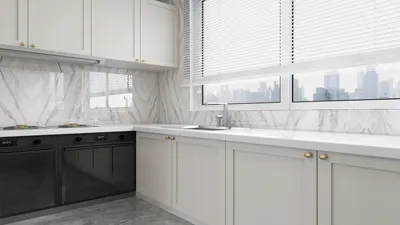
From the beginning, I discovered that layout is as crucial as cabinetry — a thoughtfully designed L-shaped layout can transform a tight nook into a fully operational laundry space. Opting for an L-shaped configuration frequently becomes my initial strategy when addressing the challenges of compact laundry designs.
[Section: Inspirations]
1. Vertical Stacking and Tall Cabinets
My Perspective
I am a big fan of vertical solutions as they instantly free up floor space. In multiple small apartments, I have stacked washers and dryers, complemented by a slim 7-foot cabinet for cleaning supplies — it felt like incorporating a complete utility wall without occupying extra room.
Benefits
Stacking units and tall cabinets significantly enhance usable space and form the basis of many small laundry room storage strategies. According to the National Kitchen & Bath Association (NKBA), vertical storage enhances accessibility and ergonomics in compact service areas (refer to NKBA guidelines concerning appliance placement). Tall cabinets also offer concealed storage for detergents and ironing boards, promoting tidy organization within compact laundry rooms.
Drawbacks
Tall cabinets may appear top-heavy in rooms with low ceilings and might sometimes hide clutter, leading to a messy look. For those short on reach like myself, accessibility can become an issue without a step stool — I keep a foldable stool conveniently tucked behind the door for easy access.
Suggestion
Consider installing adjustable shelves and slide-out trays; these enhancements make upper sections more functional. If your budget allows, you can opt for soft-close hinges and a shallow pantry pull-out for bottles, keeping everything organized without enlarging the footprint.
save pin
2. Fold-Down and Multi-Use Countertops
My Perspective
I often recommend incorporating a fold-down countertop above stacked machines or a slim front-load washer. This becomes my work surface for folding, prepping delicate items, or managing laundry baskets during busy mornings.
Benefits
A fold-down counter provides a dedicated folding area without the permanent presence of a full countertop, making it a vital storage solution that facilitates an efficient workflow in the laundry space. It harmonizes well with the small laundry room shelving concepts by resting above storage cubbies or baskets.
Drawbacks
This setup may not be suitable for heavier tasks; it’s not intended to function as an ironing board unless reinforced. Additionally, the mechanisms can add to the cost, but in my experience, the convenience justifies the relatively minor investment.
Suggestion
Opt for a waterproof laminate or solid surface and pair the fold-down feature with a magnetic catch to ensure it stays secure when upright. Utilize lightweight baskets underneath for quickly catching clean clothes.
save pin
3. Open Shelving with Baskets and Labels
My Perspective
Open shelving introduces a sense of airiness into small laundry corners and invites creativity through various materials and textures. I enjoy blending metal shelves with woven baskets for a layered, lived-in aesthetic that also helps to conceal mess.
Benefits
Open shelving enhances the perception of space and facilitates quick sorting — a fundamental idea for organizing small laundry rooms. Baskets and labeled bins simplify the organization, ensuring everyone knows where items belong.
Drawbacks
Dust accumulation and visual clutter are downsides to open shelving. For neatness enthusiasts like myself, the shelves may require weekly tidying to prevent chaos.
Suggestion
Limit the depth of open shelves to 10–12 inches in narrow rooms to allow for comfortable movement. Utilize clear or uniform baskets along with simple vinyl labels for clarity and accessibility for the entire family.
save pin
4. Slim Pull-Outs and Appliance-Specific Modules
My Perspective
Adding pull-out modules that are slim and functional is one of my preferred strategies for saving space — whether it’s for detergents, a fold-out ironing board module, or a pull-out drying rack. I once fitted a 6-inch pull-out beside a washer, providing much-needed storage for all detergents without the need to attach anything to the walls.
Benefits
Slim pull-outs offer purpose-specific storage and are crucial small laundry room storage ideas when floor space is limited. They enhance the functionality of compact laundry room organization by making essential items easily accessible.
Drawbacks
However, the downside includes costs and the requirement for precise craftsmanship. Some premade options may not be perfect fits, so I usually recommend collaborating with custom cabinet makers for enduring durability.
Suggestion
If custom options exceed your budget, seek out ready-made metal pantry units that can be affixed between wall studs. They are available in standard widths aligning with common cabinet dimensions and can be painted to match your existing trim.
save pin
5. Built-In Folding Stations and Hidden Hampers
My Perspective
Creating built-in folding stations paired with hidden hampers offers a sleek solution that elevates small laundry rooms. I designed a pull-out hamper beneath a counter within a 5-foot-wide laundry closet and it significantly lessened floor clutter while improving efficiency.
Benefits
Incorporating cabinet features like pull-out hampers and fold-down folding stations streamlines daily routines, making these elegant storage ideas a perfect fit for small laundry spaces. They help conceal disorder while clearly demarcating laundry stages — wash, dry, fold — which is especially helpful for busy families.
Drawbacks
Initial cabinet costs can surpass those of freestanding furniture, and it’s important to plan for proper ventilation if hampers are entirely enclosed. I learned the hard way about airflow being crucial for damp clothes when I installed a sealed hamper.
Suggestion
Select ventilated hampers or perforated panels, and consider incorporating anti-mold liners. If built-ins aren’t feasible, using a vintage dresser as a hamper cabinet can achieve a similar aesthetic for less cost.
[Section: Mid-Article Resource]
When organizing layouts or experimenting with vertical versus horizontal solutions, consider creating a 3D representation to evaluate clearances and sightlines. Digital tools make it convenient to envisage how shelving, counters, and appliances will function together. For realistic planning and validation of circulation, utilizing a 3D planner like Homestyler can help visualize stacking cabinets and simulating openings: vertical storage solutions.
[Section: Practical Design Notes and Cost Considerations]
The choice of materials and finishes holds significance. In confined spaces, I prefer light-reflective surfaces, moisture-resistant laminates, and integrated handles to minimize visual heaviness. A small investment in high-quality hinges and drawer slides pays dividends in terms of silent, reliable operation.
When budgeting, anticipate a wide range of costs: simple shelving and baskets can come in under $200; fold-down counters and off-the-shelf pull-outs typically range from $200 to $800, while custom tall cabinetry or built-ins usually span $1,000 to $3,500, depending on finishes and hardware selections. I always set aside a contingency of 10–15% for unforeseen plumbing or electrical needs.
[Section: Late-Article Case Link]
For clients interested in intelligent, AI-driven space recommendations or custom cabinet designs, I often utilize online design platforms to quickly iterate and present visual options. One tool that assisted me in showcasing built-in cabinet designs during a recent renovation was an AI-driven mockup tool, enhancing the visibility of built-in cabinet solutions.
[Section: Summary]
Limited spaces do not restrict design possibilities — they necessitate more clever selections. The five storage strategies discussed above—vertical stacking, fold-down countertops, open shelving, slim pull-outs, and integrated folding stations—represent practical approaches I’ve implemented successfully in constricted laundry areas. When applying these strategies, it’s crucial to prioritize workflow first, subsequently layering in aesthetics and finishes that facilitate daily activities.
As a quick guideline: emphasize accessible storage for frequently used items, hide occasional messes, and utilize vertical space to maintain clear floors. As suggested by the NKBA and conventional ergonomic advice, organizing tasks into designated zones (wash, treat, dry, fold) enhances both efficiency and satisfaction while managing laundry chores.
Which of these strategies are you eager to incorporate in your laundry space?
[Section: FAQ]
save pin
FAQ
Q1: What are the most effective storage strategies for compact laundry rooms?
A1: The most efficient approaches include vertical storage, slim pull-outs, fold-down counters, and concealed hampers. These ideas maximize floor space and emphasize task-specific zones, enhancing the efficiency and pleasure of the space.
Q2: How can I integrate a folding surface into a tiny laundry closet?
A2: Consider using a fold-down countertop or a pull-out shelf positioned above the washer/dryer — these solutions provide a flat surface when required while tucking away when not in use, making them ideal for compact laundry room organization.
Q3: Are stacked washer and dryer units safe for small areas?
A3: Yes, stacked appliances are secure when installed using manufacturer-approved stacking kits and with proper ventilation. They increase floor area available for storage and often allow for narrow cabinets alongside for detergents.
Q4: How can I prevent open shelving from appearing cluttered?
A4: Utilize matching baskets or containers and label them effectively. Limit the range of materials and colors, reserving open shelves for items that benefit from visibility, such as commonly used cleaners or decorative jars.
Q5: What materials perform best in laundry spaces?
A5: Moisture-resistant laminates, solid-surface tops, powder-coated metal shelves, and plywood or MDF with durable finishes are all excellent choices. Avoid untreated wood near machines and sinks to prevent damage from moisture.
Q6: Is it possible to retrofit built-in hampers into an existing closet?
A6: Generally yes — shallow pull-out hamper kits or adapted drawer systems can often be integrated into existing cabinetry. Ensure sufficient airflow or select ventilated options to minimize moisture accumulation.
Q7: What is the best way to plan an efficient workflow in a small laundry area?
A7: Organize by task zones: sorting and treating at the entrance, washer/dryer in the middle, and drying/folding at the back. This straightforward arrangement reduces cross-traffic and streamlines chores.
Q8: Are there recognized standards for designing compact utility spaces?
A8: Indeed — organizations like the National Kitchen & Bath Association (NKBA) offer guidelines on appliance clearances and ergonomic standards. Reference to NKBA standards can help ensure designs are safe, comfortable, and comply with local codes.
save pin
Built on technology originally developed at Autodesk, Homestyler empowers anyone to design beautiful, realistic spaces in minutes. Join over 20+ million registered users (platform data, 2026) who have already discovered a smarter way to plan, visualize, and bring their dream homes to life — all from the comfort of a browser.
Homestyler is your go-to online platform for all things home design! With its user-friendly design tool, stunning 3D renderings, and a wealth of DIY video tutorials, you can effortlessly create and visualize your dream spaces. Transform your ideas into reality today!
Progetta ora GRATIS