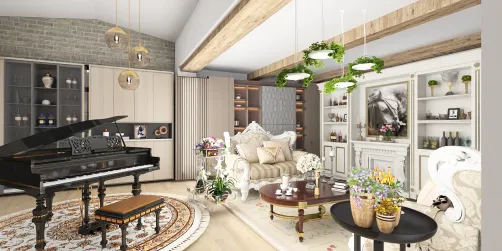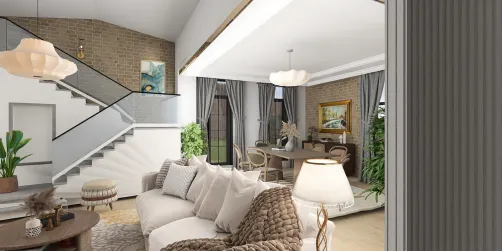
In a past project involving a nursing home's dining area, a client emphasized creating an atmosphere reminiscent of "grandma's Sunday lunch," complete with the aroma of freshly baked bread. This experience highlighted how even subtle, considerate details can dramatically transform communal environments. In nursing homes, the dining room serves a fundamental purpose beyond just meals — it acts as a hub for conversations, memory-sharing, and fostering a sense of belonging among residents. Today, I'm excited to share ten practical nursing home dining room ideas that I have personally implemented and cherished.
1. Cozy, Home-Inspired Furniture
I lean towards wood finishes rather than cold metal or sterile plastic. Although they may need a bit more upkeep, the warmth they exude is invaluable. Pairing them with inviting, upholstered chairs enhances the comfort even more.
2. Mobility-Friendly Seating
Chairs equipped with wheels or those that are lightweight facilitate easy rearrangement, allowing residents and staff to effortlessly shift seating arrangements. In one instance, this led to spontaneous tea parties springing up in the dining room!
3. Adaptive Table Configurations
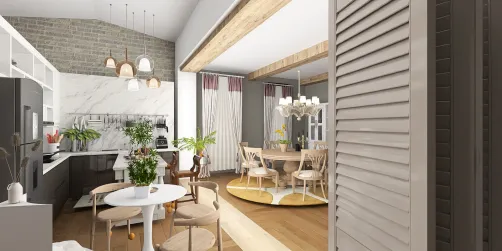
Incorporating both square and round tables enables the dining space to transition from intimate lunches with two guests to larger festive gatherings. I frequently utilize a room planner to visualize the layout and ensure that it provides a seamless flow.
4. Multi-Layered Lighting
Relying solely on overhead lights can create a harsh ambiance. I prefer to mix soft pendant lights with wall sconces, helping residents relax more during their meals. Installing dimmers is essential for adjusting the ambiance to accommodate various activities.
5. Inviting Color Schemes
Gentle yellows, soft creams, and mild greens can enhance appetite and foster communication. In one project, I painted an entire back wall in a soothing sage green, which transformed into a favorite backdrop for birthday celebrations.
6. Importance of Acoustics
Dining areas can quickly become noisy. Implementing acoustic panels or fabric wall art helps to minimize echo, making conversations easier and enhancing comfort for residents — a necessity for maintaining dignity.
7. Convenient Buffet Stations
Having low counters and clear signage encourages residents to serve themselves, promoting independence. I often create mock-ups of these areas using a free floor plan creator, allowing staff to evaluate accessibility and visibility.
8. Individualized Touches
Incorporating framed historical images of the locality or artwork contributed by residents adds instant charm. It's beneficial to rotate these displays periodically to keep the space feeling vibrant and alive.
9. Space for Mobility Devices
Narrow pathways can be both frustrating and unsafe. I ensure ample space is planned for easy navigation by walkers and wheelchairs, which is a straightforward adjustment that significantly uplifts resident morale.
10. Versatile Usage Areas
Creating a small reading nook or a puzzle table enables the dining room to also function as a daytime lounge. I've utilized a kitchen layout planner to map these zones, ensuring that they don’t disrupt service flow.
FAQ
Q: How can I make a nursing home dining area feel more homely?
A: Incorporate warm hues, ambient lighting, and furniture that reflects a residential vibe. Adding local and personal elements significantly helps residents feel a sense of connection.
Q: What is the most common design error in nursing home dining rooms?
A: The biggest mistake is overcrowding the space with tables. Ensuring clear pathways is crucial for both safety and comfort.
Looking to transform your home design ideas into reality? Homestyler is your go-to online platform! With its user-friendly design tool, stunning 3D renderings, and a wealth of design projects and video tutorials, creating your dream space has never been easier. Start designing today!