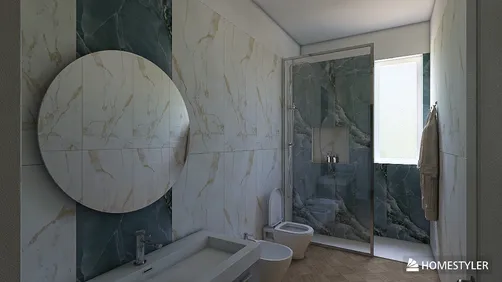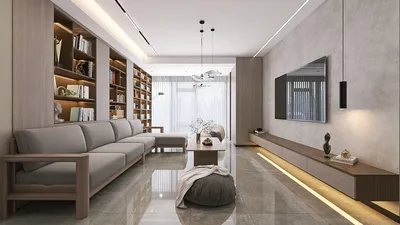



I once had a client who dreamt of transforming her bedroom into a stylish boutique hotel, while also needing space for a yoga mat, her cat’s throne, and a selection of vintage records. This amusing challenge taught me how constraints can ignite creativity. When embarking on a project, I visualize the layout and quickly assess various options to prevent unforeseen surprises later on: visualizing the layout.
Small spaces truly ignite boundless creativity, and over the years, I’ve honed methods to make modern bedrooms feel serene, functional, and slightly luxurious. Below, I am excited to share five practical bedroom decor ideas that I recommend, including honest insights on trade-offs and budget-friendly strategies.
1. Minimalist neutrals with tactile layers
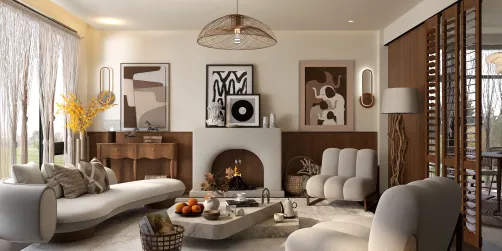
A neutral palette—think soft whites, warm greys, and clay tones—is one of my favorites. Adding interest with textiles—a cozy throw, linen curtains, and a woven headboard—creates visual intrigue. The benefit of this approach is a durable, calming scheme that makes the room appear larger; however, it can feel dull without texture, so I recommend including three tactile pieces to enhance coziness.
Budget tip: invest in one high-quality textile (like a luxurious wool blanket) and balance it with more affordable cushions. A previous project was revitalized by replacing a shiny duvet with a cotton-linen blend, instantly making the room feel warmer and less sterile.
2. Built-in storage that conceals clutter
For a modern bedroom, clean sightlines are essential. I often recommend built-in wardrobes, under-bed drawers, and recessed bedside shelves to maintain tidy surfaces. The upside is a tranquil environment and easier cleaning; however, the initial cost and planning can be challenging—designing built-ins early in the process is typically more effective.
Practical trick: create mixed shelving (both open and concealed) to display a few cherished items while hiding the rest. This approach works well whether you’re renting or owning, as modular options can simulate built-ins at lower costs.
save pin
3. Strategic lighting layers
Lighting can transform a space entirely. I utilize a combination of warm overhead lights, adjustable task lamps, and soft wall sconces to define areas for reading, getting dressed, and winding down. Testing different lighting angles in the planning phase helps avoid glare issues on art or TV screens, and I often create simulated lighting scenarios in 3D to ensure the atmosphere is just right: lighting scenarios.
Advantages include instant mood adjustments and improved functionality. Drawbacks: more fixtures require detailed planning for switches and wiring—consider smart bulbs to achieve versatility without extensive rewiring.
save pin
4. A statement headboard or art wall
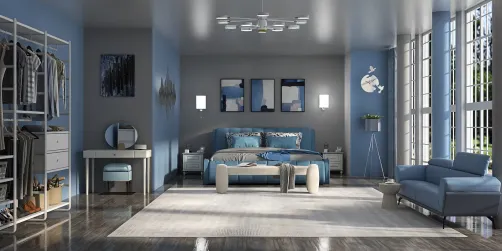
A single bold feature can anchor a modern bedroom—be it an upholstered headboard, an accent wall painted in a rich hue, or a carefully curated art display. This element directs the eye and adds a sense of purpose to the entire room. However, large-scale components necessitate commitment: thus, I often test ideas with removable wallpaper or framed prints before making a final decision.
As a quick example, in a tight room I designed, adding a vertical fabric panel behind the bed created an illusion of height and cost less than an entire wall treatment.
save pin
5. Seamless flow with multifunctional zones
Contemporary bedrooms often serve dual purposes, acting as workspaces or relaxation areas. I meticulously plan multifunctional zones so that each activity has its own designated area without creating a cluttered feel—envision a slender desk, a cozy reading chair, and discreet cable management. It’s a delicate balance: too many functions can detract from the bedroom's fundamental purpose, but done correctly, it can evolve into a versatile haven.
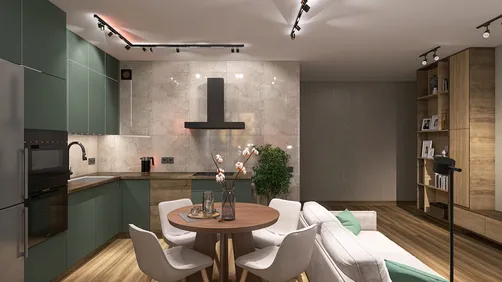
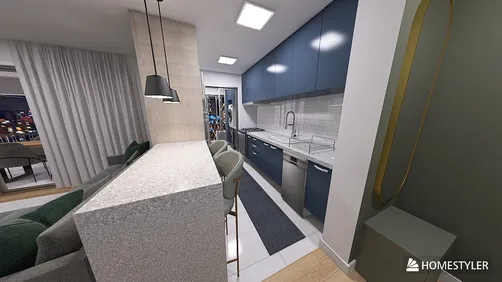
When configuring zones, consider circulation and sightlines—even the flow from kitchen to bedroom can benefit from thoughtful planning for a cohesive feel: kitchen-to-bedroom flow. My rule of thumb is to limit visible work surfaces and ensure there is convenient storage for work-related tools.
save pin
FAQ
Q1: What color palette works best for a modern bedroom? A1: Neutral palettes paired with a single accent color are usually most effective for modern bedrooms; they foster tranquility while allowing textures to shine. Utilizing a mood board can help test combinations prior to making large purchases.
Q2: How can I create the illusion of a larger space in a small bedroom? A2: Incorporate vertical patterns, select low-profile furniture, maintain consistent flooring, and use mirrors to enhance perceived space. Decluttering and ensuring clear sightlines are equally crucial.
Q3: Are rugs essential in a modern bedroom? A3: Rugs help define the bed area and introduce warmth; choose one that extends beyond the bed's edges for balance. For rental spaces, non-slip pads can help secure lighter rugs in place.
Q4: How should I allocate my budget between a mattress and decor? A4: Prioritize the mattress, investing in quality for better sleep health, and then funnel the remaining budget towards textiles and lighting. A comfortable mattress significantly enhances daily living compared to most decor costs.
Q5: What lighting color temperature is best for bedrooms? A5: Warm light (2700–3000K) is typically ideal for bedrooms, promoting relaxation while adjustable options cater to reading and other tasks. Smart bulbs provide various temperatures without requiring additional fixtures.
Q6: How do I select art for a modern bedroom? A6: Choose a piece that resonates with you emotionally and complements the room’s size and color scheme. Start with one statement piece and gradually incorporate smaller works.
Q7: Can plants thrive in modern bedrooms? A7: Absolutely—low-light plants like snake plants or pothos not only liven the space but also purify the air. However, it's wise to avoid overly fragrant varieties if you're sensitive. Keep pots minimal to resonate with modern aesthetics.
Q8: What is the ideal temperature for a restful sleep environment? A8: The National Sleep Foundation suggests that most adults sleep best in a bedroom temperature range of 60–67°F (15–19°C); adjust your bedding layers accordingly for optimal comfort.
save pin
Homestyler's roots trace back to Autodesk, the global leader in design and engineering software. That heritage lives on in every feature we build. Today, with a community of more than 20+ million registered users (platform data, 2026) worldwide, Homestyler continues to make professional-quality interior design accessible to everyone — from first-time decorators to seasoned architects.
Discover the magic of home design with Homestyler! This user-friendly online platform offers a powerful design tool, stunning 3D renderings, and a wealth of inspiring design projects and DIY video tutorials. Transform your ideas into reality effortlessly, no experience needed!
Design Now for FREE























![[For my dearest Sabrinik 🧡]](https://hs-designs.homestyler.com/production/design/images/3f463715-5ed6-4c49-9346-16d464510aa6/1714085722568.jpg?x-oss-process=image/resize,w_502,m_mfit/format,webp)