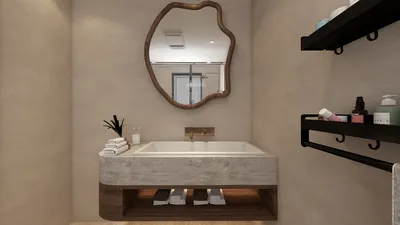


Organizing a banquet for 100 attendees requires careful consideration of the venue's capacity, flow, acoustics, and catering logistics. My criteria include spaces that offer the right balance: sufficient square footage for comfortable dining, effective service aisles, and dependable audiovisual setup. A practical guideline suggests allocating 10 to 12 square feet per seated guest for banquet rounds, but once we include areas for circulation, service, staging, and bar, a more accurate estimate would be 14 to 18 square feet per person for 100 guests. Research from Steelcase indicates that the quality of space—particularly clear pathways and comfort—directly relates to the overall experience and satisfaction at events, a trend I consistently notice when layouts are thoughtfully designed using tools like Homestyler.
Lighting and ergonomic considerations are essential. The WELL v2 standards urge for glare control and balanced illumination layers; for banquet setups, aim for about 200 to 300 lux ambient lighting while focusing 300 to 500 lux on key areas like the podium and buffet to enhance visibility of faces and food. Sound clarity is compromised above 65 dBA; maintaining lower noise levels fosters better conversations. Insights from Herman Miller on human-centered design show that acoustic comfort paired with adequate access routes (at least 36 inches wide) boosts interactions and mitigates fatigue among guests. These metrics are crucial for my venue evaluations before finalizing any payments.
Understanding Your Capacity and Layout Requirements
For accommodating 100 guests, venues typically suggest configurations of either 10 tables seating 10 individuals or 12 to 13 tables of 8. The decision relies on aisle dimensions, stage positioning, and service flow. Should your event feature live music or a presentation backdrop of 12 to 16 feet, setting aside around 300 to 450 square feet for staging and audiovisual needs is wise. Maintain a minimum of 48 inches between table edges along main service paths to prevent collisions. I often map out potential flows using room layout software to assess seating arrangements and sightlines, which helps identify potential issues well ahead of site visits.
room layout software
Curate Your Venue Options: Location, Accessibility, and Scheduling
Narrow down your list to three potential venues located within a 25 to 35-minute travel distance for your key attendees. Focus on ground-level access or elevators for catering, and verify that ample onsite storage is available for rentals. Inquire about any blackout dates and lead times—Friday evenings and Saturdays tend to be in high demand, while events on Thursdays or Sundays often come with better pricing. It's also essential to check the parking arrangements (aim for about 0.35 to 0.5 spaces per guest for suburban locations) and confirm that entries meet accessibility standards with minimum widths of 36 inches.
Room Dimensions and Proportions That Function Well
Rectangular setups (ideally a 1.5:1 length-to-width ratio) enhance sightlines to the stage and prevent dead zones. Ceilings between 11 and 16 feet are ideal for achieving balanced acoustics and lighting without overwhelming the overall scale. If the ceiling height is 9 to 10 feet, keep centerpieces below 18 inches or consider low floral arrangements to maintain sightlines. While columns can pose challenges, proper mapping ensures 36 to 42 inches of clearance around any obstacles, and positioning audio speakers at an angle can help mitigate echo effects.
Lighting That Enhances both Guests and Food
I use a layered lighting approach: a warm ambient light of 2700 to 3000K, accent illumination for floral displays and buffets at 3000 to 3500K, along with dimmable controls to adjust between dining and presentation modes. Employ indirect uplighting to minimize shadows and ensure vertical light is sufficient on faces. It's crucial to have separate lighting zones and a dedicated AV circuit to prevent any flickering during presentations. Wherever possible, I recommend using matte finishes for the stage and avoiding shiny linens, adhering to IES guidelines on glare reduction.
Acoustic Comfort and Music Arrangements
When incorporating amplified sound, position speakers in front of microphones and consider using soft materials like carpets, drapes, and upholstered seating to reduce reverb. For events with active networking, keep music levels between 70 to 75 dBA and lower it during speeches. Ensure there’s adequate space for a compact sound mixer and clarify the venue's policies regarding late-night sound. I also survey the surroundings for hard surfaces (like glass windows and bare ceilings) that could be addressed with temporary drapery to enhance acoustics.
Seating Arrangements and Table Selections
Standard round tables of 60 inches can comfortably seat 8, and up to 10 with a tighter setup; 72-inch rounds accommodate 10 to 12 but require additional space. For a more focused arrangement, rectangular tables measuring 30x72 inches seating 6 to 8, complemented by banquet seating along the long sides, can be effective. Maintain 22 to 24 inches of spacing between chairs and ensure there's 18 inches between the chairs and the walls for server access. During awards ceremonies, orient the tables within a 30-degree angle of the stage centerline for optimal visibility.
Catering Logistics That Maintain Order in the Room
Position buffet stations along the perimeter to avoid obstructing central views, and consider mirroring them to cut down waiting times. Ensure there's at least 60 inches of clearance in front of buffets and 36 inches behind for staff operation. For plated meals, design a clear service path with bussing stations every 25 to 30 feet and position beverage services away from exits to prevent congestion.
AV, Power, and Internet Connectivity Checks
Request a detailed power plan that includes a minimum of two 20-amp circuits for staging and audiovisual equipment, one for catering services, and a spare as a backup. Confirm the availability of hardwired internet or high-quality Wi-Fi with a separate SSID dedicated to streaming. Test projection distances ahead of time to ensure the screen height is at least 24 to 30 inches above the average eye level when seated. Use gaffer's tape to secure cable runs beneath rugs to avoid tripping hazards.
Decor, Color Psychology, and Branding Elements
Utilizing warm white lighting (approximately 3000K) enhances guest appearances; pair this with a subtle color palette that highlights the focal wall or stage. For celebratory events, vibrant reds and oranges can amplify energy, while calming blues and greens offer balance, as noted by findings from Verywell Mind on the influence of color psychology. Opt for low-gloss linens and textured materials to enrich depth while minimizing glare, and deploy brand colors strategically in key areas such as the entryway, stage backdrop, and menus, rather than throughout the entire venue.
Accessibility, Safety, and Traffic Flow
Plan for accessible seating with direct access to restrooms and exits; allocate table spots with 48-inch aisles for wheelchair navigation. Emergency exits should remain visible and unobstructed, with clearly marked pathways utilizing discreet, well-lit signage. In tighter areas, it’s advisable to slightly reduce the number of tables rather than compromising circulation; attendees generally recall the ease of movement more than the capacity of one additional table.
Budgeting Strategies That Yield Real Savings
Negotiate an all-inclusive venue package that merges audiovisual services, linen rentals, and staff support, as this often proves more budget-friendly than choosing each service separately. Opt for weekday events with a condensed agenda to reduce labor expenses. When it comes to floral arrangements, focus your budget on impactful areas like the stage and entryway instead of decorating every table to maximize visual impact per dollar spent.
Quick Venue Evaluation Checklist
- Venue capacity and open floor area (aim for 14–18 sq ft per guest for 100)
- Ceiling height (preferably 11–16 ft), with columns identified
- Defined lighting zones and dimming capability, planning for 2700–3500K
- Acoustic surfaces and sound policy adherence (target around 65–75 dBA)
- Catering routes, buffet dimensions, and bussing station placements
- Verified power circuits and Wi-Fi reliability
- Parking ratios, load-in access, and storage facilities
- Accessibility options (36–48 inch aisles) and clear emergency exits
- Flexibility with preferred dates and terms for holding spaces
Where to Look and Inquiries to Make
Begin with local hotels, community centers, art galleries, and contemporary event lofts. Request scaled floor plans, lighting circuit diagrams, and a proposed seating arrangement for 100 guests. Schedule a timed venue visit during a changeover between events to observe staffing operations, sound levels, and overall traffic flow.
Common Questions
Q1: What size should the venue be for 100 guests?
A: Plan for approximately 1,400 to 1,800 square feet for seating, plus additional space for staging, the buffet, and circulation paths. Exact requirements will depend on table size, style of service, and aisle widths.
Q2: Which table arrangement is the most effective?
A: For fostering inclusive conversation, 60-inch round tables serving 8 to 10 guests are a dependable choice. If stage sightlines are a priority, positioning rectangular tables aligned with the focal wall improves visibility.
Q3: What is the ideal brightness for banquet lighting?
A: Aim for ambient light levels between 200 and 300 lux, with 300 to 500 lux on key areas, while keeping color temperatures around 2700 to 3000K for flattering skin tones. Ensure that dimming controls are available for transitions throughout the event.
Q4: How can I maintain comfortable noise levels?
A: Implement soft finishes, restrict music volume to approximately 70 to 75 dBA during dining, and avoid hard, parallel surfaces that might cause echoes. Position speakers ahead of microphones to minimize feedback issues.
Q5: What strategies can I use to prevent crowding at buffets?
A: Divide buffets into two mirrored stations, ensuring at least 60 inches of space in front of the line, and separate beverage service locations to alleviate congestion.
Q6: What accessibility features should I include?
A: Ensure at least 36-inch aisles (48 inches preferred for primary routes), designate accessible tables close to exits and restrooms, and confirm that ramps or elevators are available for convenient load-in.
Q7: What audiovisual elements should I confirm with the venue?
A: Ensure the availability of at least two dedicated 20-amp circuits for the staging equipment, reliable hardwired internet access or good Wi-Fi, screen heights suitable for seated guests, and safe cable management throughout the venue.
Q8: How can I coordinate decor to reflect the mood of the event?
A: Use principles of color psychology—warmer colors to generate energy, and cooler colors for tranquility. Aim for low-gloss finishes to reduce glare and concentrate brand identity elements at key interaction points.
Q9: Is it feasible to incorporate a dance floor for 100 attendees?
A: Absolutely—allocate 250 to 400 square feet depending on the style of music and level of participation. Ideally, place it adjacent to the stage while maintaining easy access around its perimeter.
Q10: What is a reasonable target for parking availability?
A: Suburban venues should strive for about 0.35 to 0.5 parking spaces for each guest, adjusting for attendance via rideshare or public transport. Urban locations often depend on garage facilities or valet services.

Minimalist Solid Oak Wood Dining Bench 3D Model
ANJ Modern Arm Chair, Mid-Century Modern Accent Ch

Jennifer Taylor Home Jesse 55.5" Single Drawer Sto
Looking to transform your living space? Homestyler is your go-to online home design platform! Its user-friendly design tool, stunning 3D renderings, and engaging video tutorials make it easy to explore creative ideas and bring your vision to life. Start designing today!
立即免费设计
































