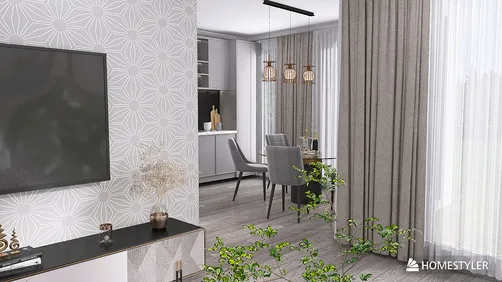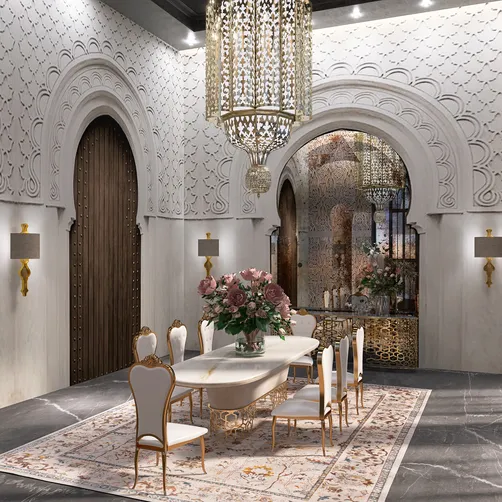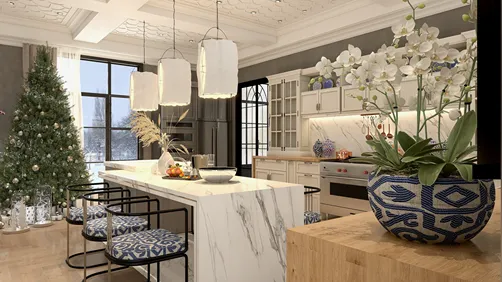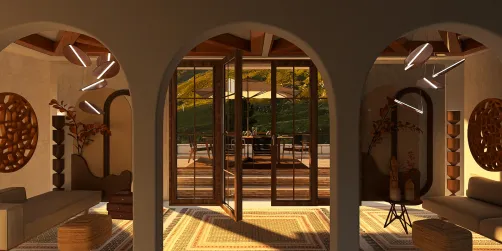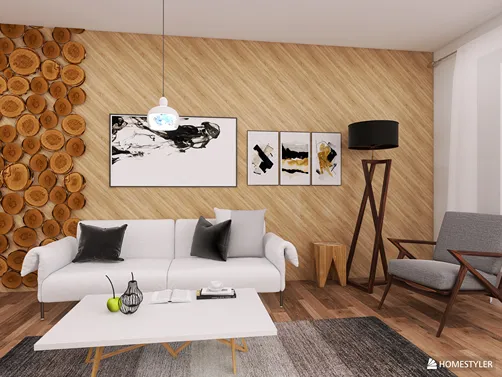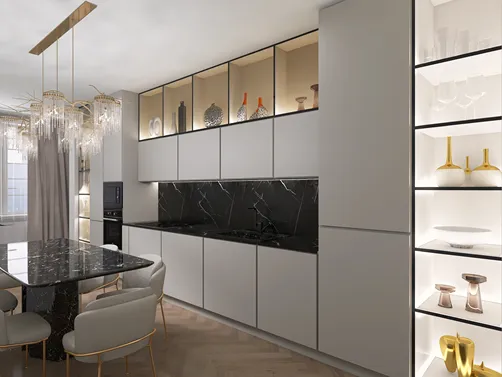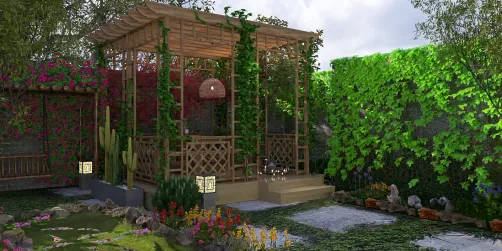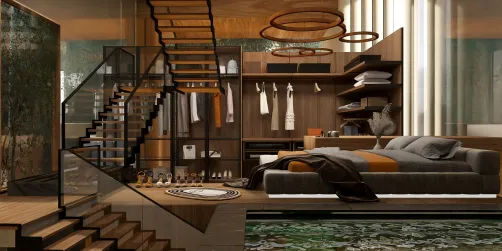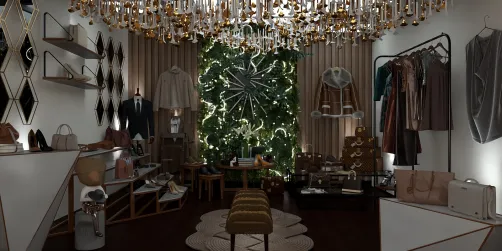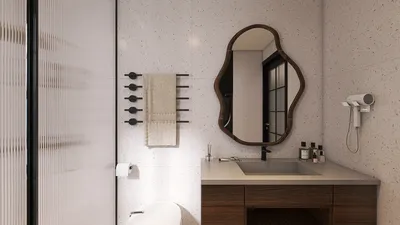
In the realm of interior design, achieving striking and lifelike visuals is vital, and one of the leading rendering engines for this is V-Ray. This tool empowers designers to produce breathtaking 3D renders that bring their concepts to reality. In this article, we will discuss how to optimize your V-Ray renders for impressive interior designs, while also highlighting the strengths of incorporating software like Homestyler for seamless design integration.
Grasping the Fundamentals of V-Ray Rendering
To begin utilizing V-Ray effectively, it is essential to familiarize yourself with the core principles of rendering. V-Ray encompasses various features that mimic real-world lighting, material properties, and spatial geometry. Here are several fundamental elements to keep in mind:
Achieving realistic renders hinges on effective lighting. It's important to combine both natural and artificial light sources to establish depth and ambiance. Consider employing these techniques:
V-Ray also provides a range of material settings that enhance realism in your designs. Pay attention to:
Techniques for Crafting Realistic Interiors Using V-Ray
With a solid understanding of the basics, let’s explore methods for creating authentic interior environments:
Textures significantly contribute to realism in your designs. Always opt for high-quality textures and be mindful of their scale to prevent any distortion.
Utilizing effective color schemes and contrast can elevate your renders. Implement complementary colors to create engaging visual dynamics.
Enhancing Renders Through Post-Processing
Post-rendering, utilizing software for post-processing can significantly improve the final results. Applications such as Photoshop are excellent for performing color corrections, adding depth, and refining details.
Incorporating elements like plants, artworks, and decorative items can create a sense of liveliness in your rendered spaces. These finishing touches are crucial for enhancing the realism of your visualizations.
Frequently Asked Questions
Q: What lighting combination works best? A: The optimal results usually come from a blend of natural light generated by V-Ray Sun combined with various artificial lighting sources.
Q: How can I improve texture quality? A: Make use of high-resolution textures, tweak reflection and refraction settings, and explore different material types to find the best fit.
Explore the leading Home Design Software to enhance your projects with tools like Homestyler.