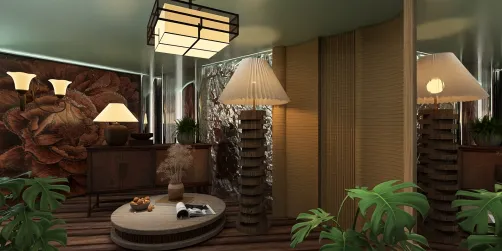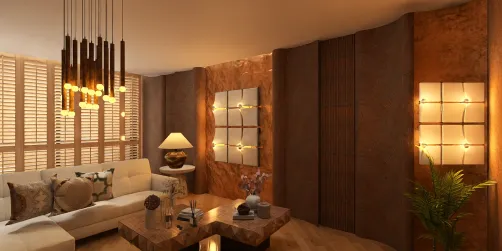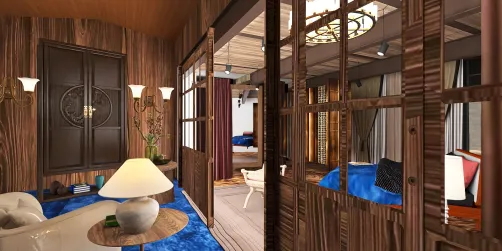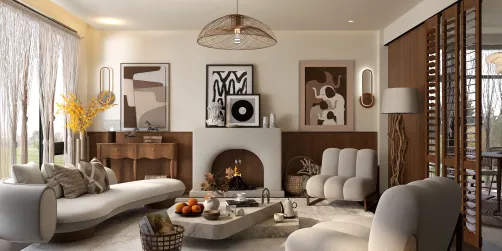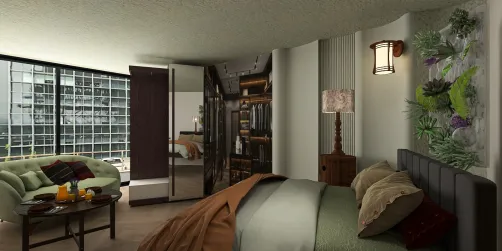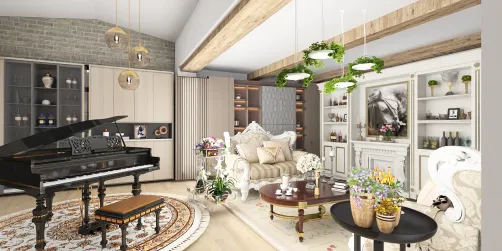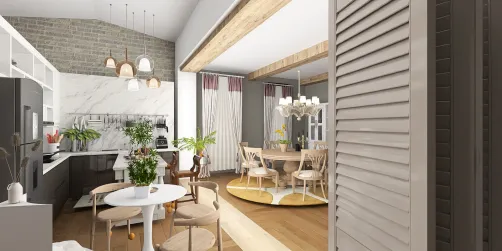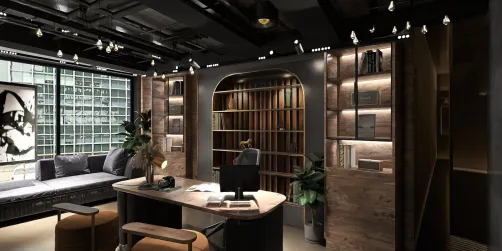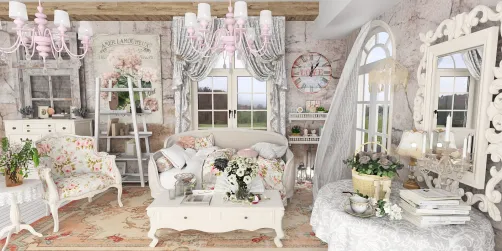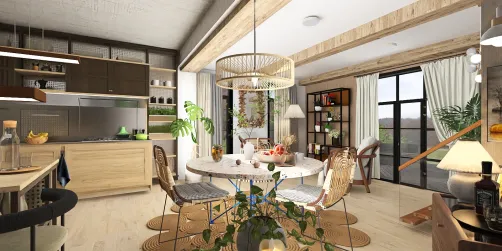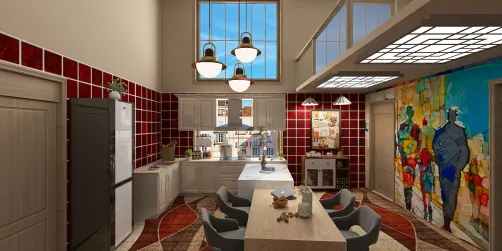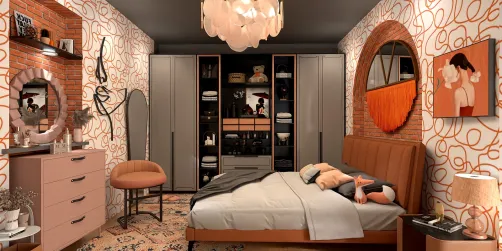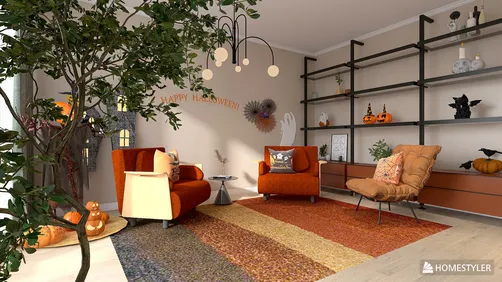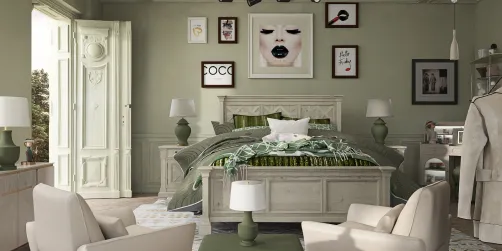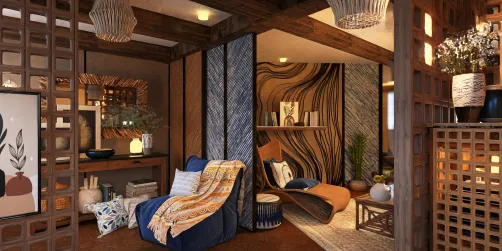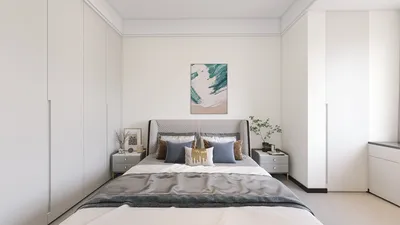
Creating an off-the-grid home can be an exhilarating journey, particularly for individuals aiming to adopt a sustainable lifestyle. The primary objective of such designs is to establish a self-sustaining living space that reduces dependency on public utilities. Whether your passion lies in compact dwellings, ecological materials, or groundbreaking energy solutions, this guide will delve into the top innovative home design concepts.
1. Embrace Open Floor Plans
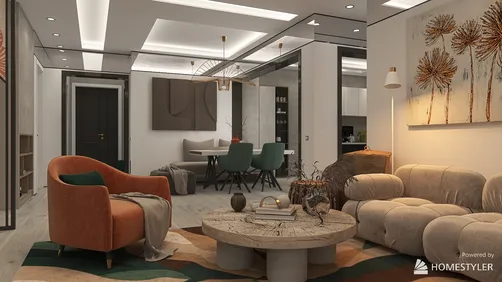
Open floor layouts are perfect for off-the-grid residences, as they enhance space usage and allow for abundant natural light. By eliminating superfluous walls, you cultivate a welcoming environment while also lowering the demand for extra heating and cooling. Consider adding expansive windows to let sunlight illuminate the area, boosting energy efficiency.
2. Utilize Renewable Energy Sources
Solar panels stand out as a favored option for off-the-grid homes, empowering residents to capture solar energy for their electricity needs. If you reside in a consistently windy locale, incorporating wind turbines into your design is also feasible. The blend of these renewable energy sources ensures a steady power supply, all while curtailing your environmental impact.
3. Incorporate Multi-Functional Furniture
In compact off-the-grid residences, multi-purpose furniture becomes crucial for optimizing space. Seek out items that fulfill various functions, like a sofa that converts into a bed or a table that doubles as a work desk. This method not only conserves space but also minimizes the necessity for excessive furnishings, fostering a tidy atmosphere.
4. Choose Sustainable Building Materials
While planning your off-the-grid home, opt for sustainable materials such as reclaimed timber, bamboo, or straw bales. These eco-friendly alternatives not only contribute to environmental sustainability but also infuse your home with distinctive charm. Furthermore, leveraging local resources can help diminish transportation emissions and bolster the local economy.
5. Optimize Water Collection and Usage
Water serves as a vital resource in off-the-grid lifestyles. Implement systems for rainwater harvesting to collect and utilize rainwater for household purposes. Additionally, consider greywater recycling systems to repurpose water from sinks and showers for irrigation, thereby enhancing efficiency and sustainability.
6. Create a Natural Cooling and Heating System
Design your home to utilize natural methods for heating and cooling. Strategically placing windows for cross-ventilation assists in maintaining comfortable indoor temperatures without relying on air conditioning. Adding thermal mass materials, such as concrete and stone, can help manage indoor temperatures by absorbing heat during the day and releasing it at night.
FAQ
Q: What are the primary characteristics of an off-the-grid home? A: Essential features include renewable energy systems, water collection methods, sustainable building materials, and an emphasis on multi-functional spaces.
Q: How can I enhance the energy efficiency of my off-the-grid home? A: Employ solar panels, wind turbines, and natural ventilation strategies, while selecting energy-efficient appliances and lighting.
Welcome to Homestyler, your No.1 home design software.