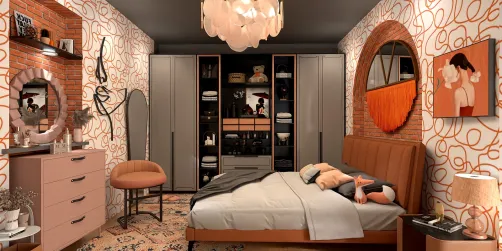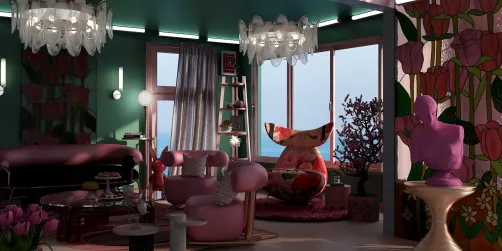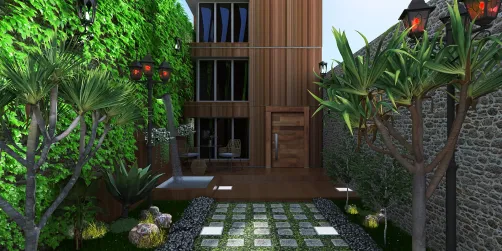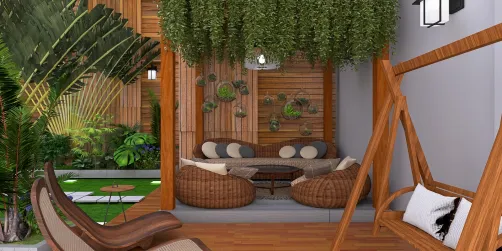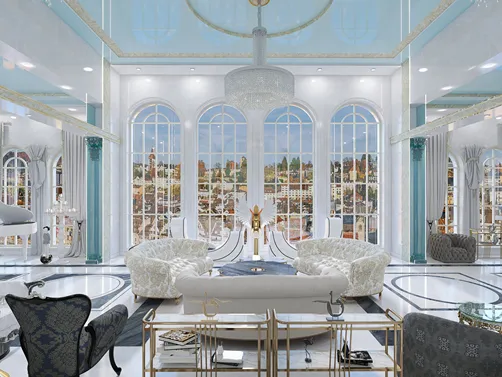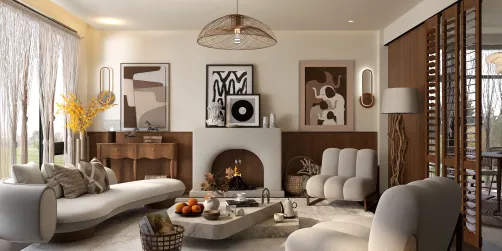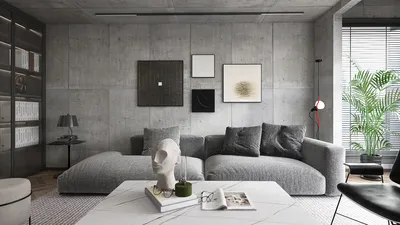
Reflecting on the office layout trends of 2018, it's evident that the emphasis has transitioned to fostering environments that prioritize collaboration and employee well-being. As remote work and flexible scheduling have become more prevalent, organizations are re-evaluating their office designs to meet these new working methods. Below are some notable trends that shaped office layouts in 2018:
1. Open Office Concepts
The popularity of open office concepts surged as companies aimed to enhance teamwork and communication among their workforce. This layout removed physical barriers, facilitating seamless collaboration and interaction. However, it also led to conversations about noise control and privacy, emphasizing the need for designated quiet areas within these environments.
2. Adaptive Workspaces
The rise of adaptive workspaces allowed employees greater choice in how and where they work. These spaces included options for focused tasks, collaborative interactions, and quiet areas for relaxation. Companies have recognized the necessity of adaptability in office design, enabling workers to customize their work environments based on personal preferences.
3. Nature-Inspired Design
Bringing nature into office layouts became a crucial trend in 2018. Nature-inspired design emphasizes the connection between indoor environments and the natural world, often through the integration of plants, natural light, and organic materials. This approach not only enhances the visual appeal but also supports employee health and productivity.
4. Activity-Based Workspaces
Activity-based working (ABW) has emerged as an essential approach where spaces are crafted to accommodate various activities throughout the day. Employees can select from multiple settings, including lounges, meeting rooms, and quiet spaces, tailored to their individual tasks. This kind of flexibility promotes movement and interaction amongst staff.
5. Integration of Technology
The expansion of digital solutions has significantly influenced office layouts. The year 2018 marked a rise in smart office innovations, such as adjustable desks, video conferencing technologies, and wireless charging hubs. These advancements contributed to the development of efficient, contemporary workplaces that met the evolving demands of the workforce.
6. Design Focused on Wellness
Health and wellness took center stage in office design, incorporating elements like standing desks, fitness zones, and wellness rooms into layouts. Organizations sought to encourage a healthier work-life balance and enhance employee satisfaction through mindful design choices, which can be easily visualized using tools like Homestyler.
FAQ
Q: What defines open office spaces? A: Open office spaces are characterized by the absence of physical barriers, promoting better collaboration and communication among staff.
Q: Can you explain biophilic design? A: Biophilic design aims to integrate natural elements into work environments to boost employee well-being and enhance productivity.
Q: What role does technology play in office design? A: The integration of technology is vital for creating modern, efficient workspaces equipped with features such as smart desks and video conferencing systems.
Welcome to Utilize No.1 Home Remodel Software