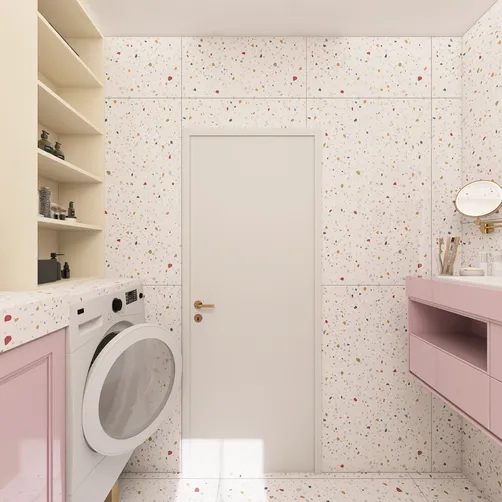
In multifamily residences, executing a National Electrical Code (NEC) load calculation is vital for both safety and regulatory compliance. This assessment identifies the electrical requirements of the entire facility, encompassing shared spaces like laundry rooms. Load calculations consider the total demand generated by appliances, lighting, and general service, which is critical for appropriately sizing circuits and selecting breakers.
Grasping the Fundamentals of NEC Load Calculations
The NEC delineates particular standards for load calculations within multifamily units. It's essential to assess both the general load and the specific contributions made by appliances located in laundry rooms. For instance, evaluating the electrical load of laundry areas requires contemplating washers, dryers, and any supplementary lighting or electrical outlets.
Estimating Loads in Laundry Facilities
To precisely evaluate the load within a laundry room of a multifamily building, begin by documenting all appliances along with their power specifications. A commonly recommended practice is to multiply the total amperage by 1.25, which accommodates continuous load considerations. This precaution ensures that the system can manage peak demand effectively without risk of overload.
Essential Tips for Accurate NEC Load Calculations
Consider these suggestions to ensure accuracy in your NEC load assessments:
Frequently Asked Questions
What does the diversity factor mean? The diversity factor recognizes that not every electrical device will operate at full capacity concurrently, which can aid in minimizing the total calculated load.
Why are load calculations necessary? Precise load calculations are fundamental to avert electrical overloads, guarantee that the electrical infrastructure adheres to safety regulations, and ensure there is sufficient capacity for any future expansions.
Explore over 10,000 Free Home Design Inspirations with Homestyler