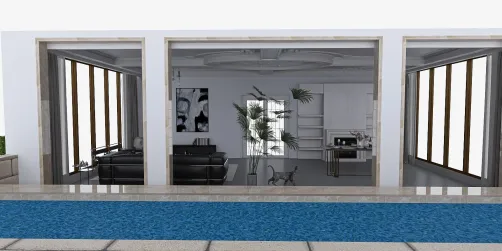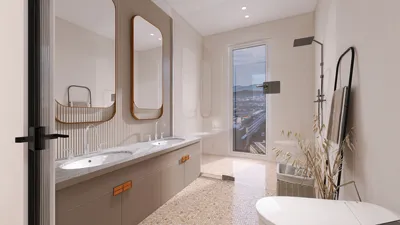
The interior design of museums represents a captivating fusion of creativity, functionality, and educational intent. Interior design in a museum transcends mere aesthetics; it aims to foster a stimulating atmosphere that enhances the visitor experience while presenting artifacts and artworks in optimal conditions. A principal aim of museum interior design is to direct visitors through the space, facilitating exploration and deep engagement with the exhibits. Thoughtful design creates a flow that promotes movement and discovery, ensuring significant displays do not go unnoticed. When crafting museum interiors, numerous essential factors must be taken into account. For instance, lighting plays a pivotal role. Adequate lighting not only illuminates exhibits but also establishes the ambiance of the space. Due to the need to protect sensitive artifacts, natural light sources are often restricted; thus, designers must strategically employ artificial lighting to set the appropriate mood. Furthermore, color selection and material choice can substantially affect how visitors perceive exhibits. Neutral shades often act as a backdrop, allowing artwork or artifacts to shine without competing distractions. An additional vital component of museum design is the integration of technology. Incorporating interactive displays and multimedia installations can enrich the educational dimension of museums and captivate younger audiences. Technologies such as digital signage, augmented reality, and virtual tours are fantastic ways to enhance visitor experiences. Designers must ensure these tech elements blend seamlessly into the overall design without overshadowing the exhibits. Accessibility remains a central focus in museum interior design. Museums ought to be inclusive spaces for everyone, including those with disabilities. This entails the implementation of features like ramps, elevators, and tactile displays, ensuring all visitors can fully appreciate the exhibits. The layout ought to be user-friendly, enabling visitors to navigate comfortably and intuitively. Lastly, sustainability is increasingly gaining traction in museum design. Designers are now prioritizing eco-friendly materials and energy-efficient solutions to minimize the building's environmental impact. This approach not only champions a greener planet but may also enhance the museum's image, attracting visitors who prioritize environmental consciousness. In conclusion, museum interior design is a complex endeavor that demands an in-depth understanding of art, architecture, and audience interaction. By focusing on lighting, color selection, technology integration, accessibility, and sustainability, designers can construct mesmerizing spaces that enrich the visitor experience and celebrate the showcased culture and art, utilizing platforms like Homestyler for enhanced visualization.
Guidelines for Museum Interior Design:
1. Emphasize lighting to improve exhibit visibility and set the mood. 2. Utilize neutral hues to spotlight artifacts and artwork. 3. Incorporate technology to foster interactive and immersive experiences. 4. Guarantee accessibility for all visitors. 5. Embrace sustainability in the choice of materials and energy practices.
Frequently Asked Questions
Q: What aspect is most crucial in museum design? A: While all components hold significance, effective lighting is frequently deemed essential as it can immensely influence how visitors perceive exhibits.
Q: In what ways can technology enhance the museum experience? A: Technology can facilitate interactive displays, virtual tours, and multimedia presentations that render learning more engaging.
Q: Why is accessibility vital in museum design? A: Ensuring museums are accessible means that everyone, irrespective of physical capabilities, can appreciate and benefit from the exhibits.
welcome to Homestyler