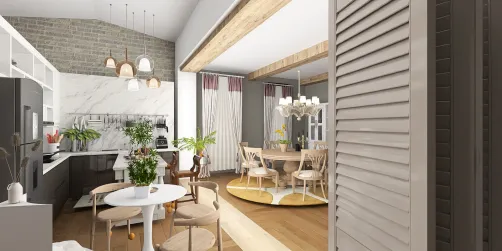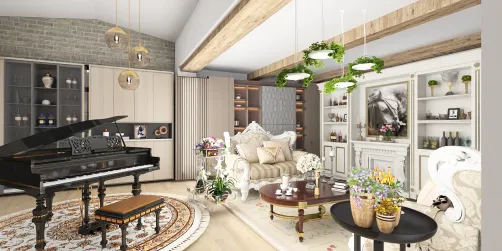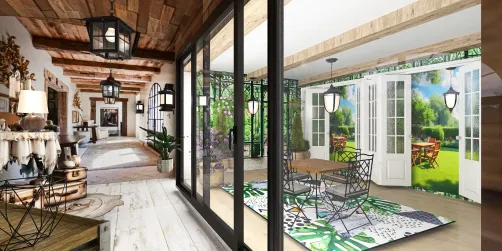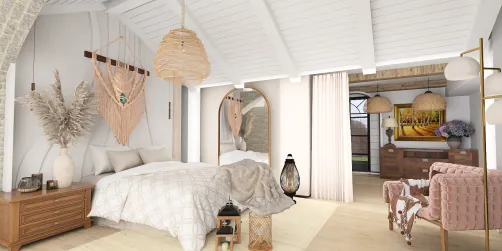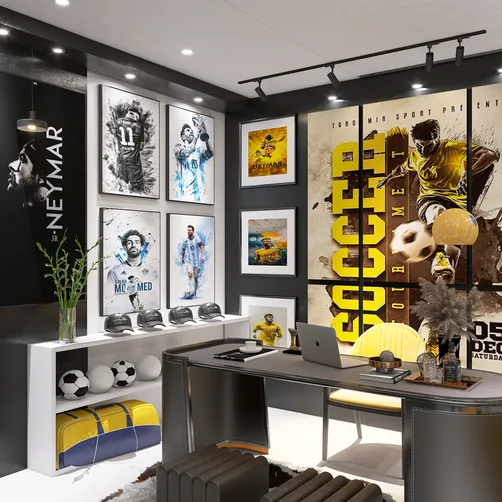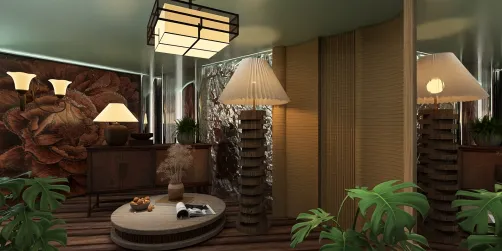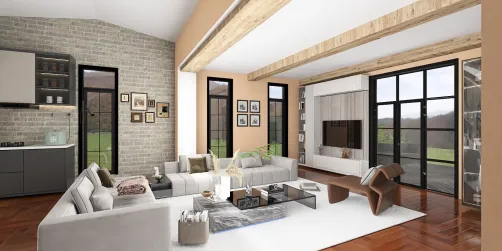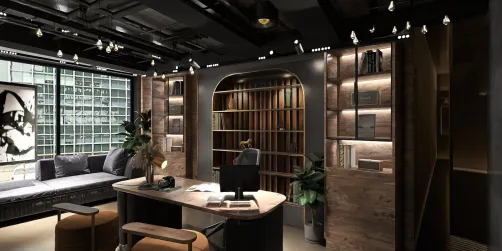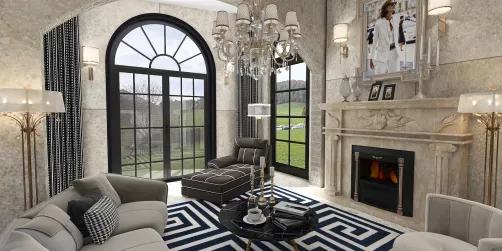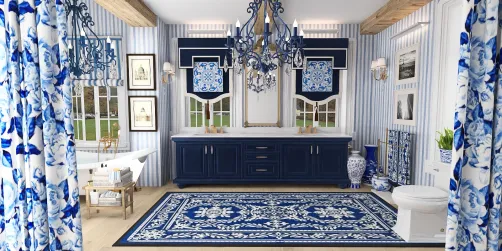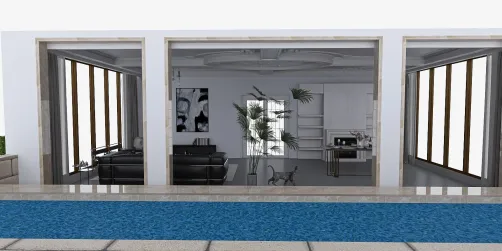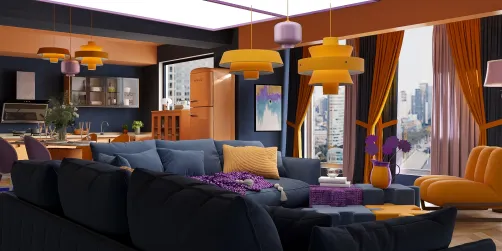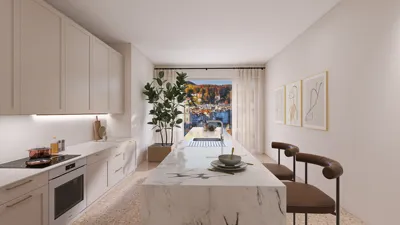
Modern office design focuses on cultivating a workspace that inspires creativity and productivity while embodying the essence of the brand. Achieving maximum space efficiency through innovative layouts, multifunctional furnishings, and sustainable practices can significantly foster collaboration. Here are essential components to consider for crafting a contemporary office environment.
Open Layouts to Enhance Collaboration
Open layouts play a critical role in today's office designs, as they facilitate communication and teamwork among staff members. By eliminating unnecessary barriers, a more welcoming atmosphere conducive to collaboration is established. It’s advisable to incorporate adaptable workstations that can be rearranged with ease to support varying project sizes and team dynamics.
Effective Storage Solutions
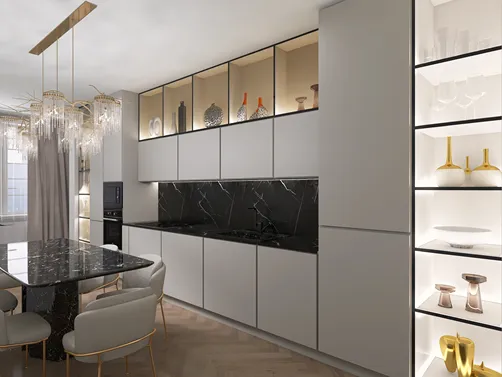
Efficient storage solutions are indispensable in maintaining organization and minimizing clutter in modern workplaces. Options such as built-in cabinetry, floating shelves, and versatile furniture can optimize storage without sacrificing precious floor space. These strategies ensure that crucial items remain accessible while promoting a tidy and professional aesthetic.
Emphasis on Sustainable Practices
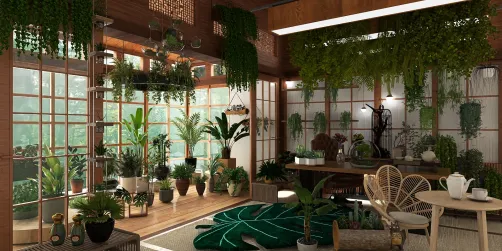
Contemporary offices must place a high value on sustainability. This entails the utilization of eco-friendly materials, energy-efficient lighting installations, and the incorporation of greenery to enhance air quality. This approach not only supports environmental sustainability but also contributes to a healthier workspace for personnel.
Utilizing Natural Light and Biophilic Elements
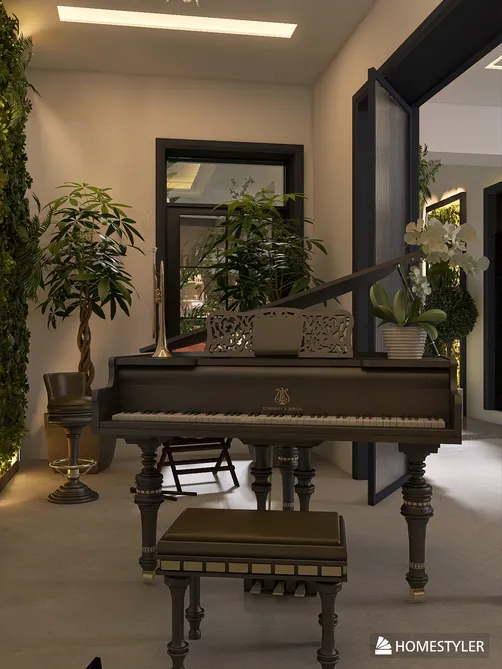
Integrating natural light into office design is essential for boosting both productivity and employee well-being. Utilizing expansive windows, skylights, and glass dividers can enhance daylight exposure. Moreover, biophilic design—where nature is infused within the workspace—can alleviate stress and improve mental health. To foster a serene environment, consider introducing indoor plants, green walls, or artwork inspired by nature.
Integration of Technology
It’s essential for modern offices to seamlessly incorporate technology to optimize productivity. Consider the adoption of smart boards, video conferencing setups, and applications that encourage teamwork. Providing strong Wi-Fi coverage and charging stations will ensure employees remain connected and engaged.
Adaptable Work Environments
Given the surge in remote work, adaptable workspaces have become increasingly vital. Design areas that can smoothly shift from collaborative spaces to serene environments for focused work. Using movable furniture, soundproof booths, and a variety of seating arrangements allows for a workspace that caters to different working styles and preferences.
In Summary
Crafting a modern office requires a thoughtful approach to layout, storage, sustainability, and employee wellness. By prioritizing these critical aspects, one can establish a workspace that not only looks aesthetically pleasing but also increases productivity and nurtures a positive work culture. Utilizing tools like Homestyler can assist in visualizing and optimizing your office design.
Frequently Asked Questions
Q: What are the fundamental aspects of modern office design? A: Key aspects comprise open layouts, efficient storage solutions, sustainable design methods, and technological integration.
Q: How can I enhance natural light in my office? A: Employ large windows, skylights, and glass partitions to promote the influx of natural light.
Q: What is the concept of biophilic design? A: Biophilic design focuses on incorporating elements of nature into the workspace to enhance employee well-being and mitigate stress levels.
Explore the No.1 Office Design Software for Your Needs