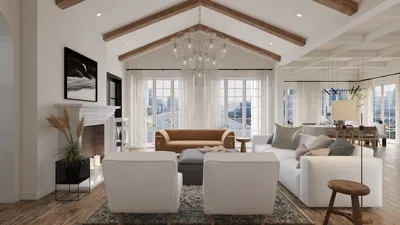


I once painted an office wall completely matte black to create a 'dramatic backdrop,' but we forgot to add task lighting which led to everyone squinting for a week. This experience taught me the importance of pairing bold design choices with practical solutions, particularly in smaller environments. Minor adjustments can resolve significant issues. If you're searching for effective modern office decor ideas, I will guide you through five strategies that I frequently implement, while also highlighting some pitfalls to avoid. I often kick off my design process with office layout inspirations to ensure proportionality before selecting finishes. Also, utilizing tools like Homestyler can help visualize these layouts effectively.
1. Minimalist modular furniture
Modular desks and storage options are favorites of mine as they evolve with team dynamics or project requirements. The clear benefits are flexibility and a streamlined aesthetic that maintains a contemporary feel; however, cheaper modules can come off as flimsy, so it’s wise to invest in quality frames. A tip: Select neutral finishes and include a standout chair in a vibrant color to enhance personality without creating clutter.
save pin
2. Layered lighting with a focus on tasks
Proper lighting is essential to convey intentional design. Merging ambient lighting with adjustable task lamps and a couple of wall washers diminishes screen glare and adds dimension. Although layered lighting can elevate costs slightly, I find that smart bulbs and dimmers provide excellent control without stretching the budget.
save pin
3. Zoned layouts for concentrated and collaborative work
Rather than opting for an expansive open layout, I create defined areas: a quiet zone for focus, a collaborative nook, and a quick-stand meeting space. To visualize these transitions, I like to sketch out interactive 3D plans using tools like Homestyler, allowing clients to feel the flow before any purchases are made. Achieving balance in acoustics is critical; incorporating rugs, panels, and plants can significantly manage noise levels.
save pin
4. Textures and biophilic elements
Modern design doesn’t equate to coldness; I always integrate warm textures such as wood, woven fabrics, and live plants to soften the environment. Plants benefit air quality and enhance mood, but they do require some care — opt for low-maintenance varieties if regular watering isn't possible. A large planter can serve as an anchor in a reception area and promote a serene atmosphere throughout the office.
save pin
5. Subtly integrated tech-forward elements
Incorporating built-in charging stations, organized cable management, and concealed screens maintains a tidy aesthetic while accommodating modern workflows. I've begun utilizing smart scheduling displays in meeting areas and discreet sound-masking devices in shared spaces. If you're curious about how AI can shape layout decisions, exploring AI interior examples can provide real insights—though it's important to remember that not every office requires all of these gadgets.
save pin
FAQ
Q1: What colors are best for a contemporary office decor?
A: Neutral hues such as warm grays or soft whites contribute to a modern vibe; introduce accent colors through furniture or artwork to inject personality without overwhelming the space.
Q2: How can small offices appear more spacious?
A: Utilize multifunctional furniture, maintain clear sightlines, and optimize vertical storage. Mirrors and consistent flooring can also visually enhance a confined area.
Q3: Are open-plan offices superior to private ones?
A: Open plans encourage collaboration but may hinder concentration; I frequently suggest a hybrid model that includes quiet zones and enclosed spaces for focused work.
Q4: How crucial are acoustics in modern office design?
A: Extremely important — inadequate acoustics can diminish productivity. Utilizing soft surfaces, acoustic panels, and careful layout strategies can greatly cut down distractions.
Q5: What’s the budget range for refreshing a modern small office?
A: Basic updates (paint, lighting, a few furniture changes) can be done on a reasonable budget, while a complete overhaul with built-ins and technology will require more investment. Prioritize ergonomics and lighting as the first steps.
Q6: How should I select plants for an office?
A: Choose low-light, low-maintenance species like pothos or snake plants when upkeep is minimal; succulents are great for well-lit areas. Rotate larger plants occasionally for balanced growth.
Q7: Are standing desks worthwhile?
A: Absolutely—adjustable sit-stand desks contribute to health and comfort. Seek sturdy frames and efficient cable management to keep the overall look organized.
Q8: Where can I access ergonomic and safety guidelines for office configurations?
A: To find credible ergonomic guidelines, check OSHA’s recommendations on workplace ergonomics (https://www.osha.gov/), which outlines practical steps for safe workstation setups.
save pin
Discover your home's potential with Homestyler! This user-friendly online design platform features a powerful design tool, stunning 3D renderings, and a wealth of design projects and DIY video tutorials. Transform your space effortlessly and unleash your creativity today!
Design jetzt kostenlos
































