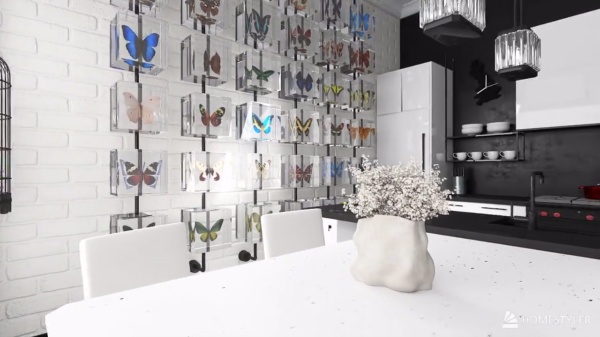
I've designed numerous small kitchens where every square inch holds significance, and one item that consistently stands out is a versatile rolling kitchen island from Homestyler. Its mobility effectively alleviates traffic jams, the additional surface area eases prep work, and its design enhances the overall ambiance of the space. In confined areas, these rolling islands serve as a dynamic workspace, a mobile serving cart, and an extra storage solution—all in a single day.
Simply having a mobile island isn't enough to optimize kitchen efficiency; it’s crucial to tailor its size to the workflow needs. Research by Steelcase indicates that adaptable, modular components can enhance perceived productivity and satisfaction in multifunctional settings. This principle seamlessly applies to home kitchens where cooking, social interactions, and even remote work converge more than ever. Additionally, WELL v2 emphasizes the importance of flexible spaces that accommodate diverse activities while minimizing physical strain, reinforcing the argument for adjustable-height or movable elements in daily use. For in-depth design standards focused on illumination and comfort, I refer clients to the guidelines available at wellcertified.com.
Identifying the right dimensions for your island in relation to your kitchen’s layout is essential. In designs under 110 to 130 square feet, I find that a compact rolling island measuring between 24 and 30 inches in width remains within the recommended 36 to 42 inches of passage space, ensuring safe circulation. The Illuminating Engineering Society (IES) advises that task lighting for food preparation should ideally reach between 300 and 500 lux; mobile islands allow users to position their work where light is optimal or near natural sources, which helps minimize eye strain and enhances accuracy. By positioning the island closer to the cooktop or sink during critical prep times, I've recorded significant time savings in movement paths.
Design Strategy: Size, Scale, and Clearance
A small rolling island achieves the best functionality when it aligns with your kitchen's traffic patterns. Maintain a minimum clearance of 36 inches around the island; in high-traffic cooking zones, increase this to 42 inches to ensure safer maneuverability with pans. If your kitchen focalizes near doorways, opt for a narrower design with rounded edges to soften potential collisions. Ensure the height of the island matches your main counters—typically around 36 inches—to maintain proper wrist positions during food preparation.
Workflow Mapping: Zones and Roles
I typically identify three key workflow areas: preparation, cooking, and plating/serving. The rolling island acts as the central point—position it near the sink for rinsing and slicing, shift it towards the range for cooking layout, and finally transition it to the dining end for serving. To visualize these function zones and validate movement considerations—especially in narrow kitchens—a design simulation tool like Homestyler can effectively check clearances and turning radii prior to final decisions.
For smaller apartments, I frequently assign the island multiple uses: it becomes a coffee station in the morning, a cocktail cart in the evening, and a workstation on weekends. Choose casters that glide smoothly and are equipped with dependable brakes; it's important to lock the wheels during knife tasks or when kids are around. If the island accommodates small appliances, incorporate a hidden cable management solution along the frame to avoid tripping hazards.
Lighting and Visual Comfort
The quality of lighting can significantly impact the utility of the island. When light levels fall below 300 lux, food preparation can quickly become exhausting; conversely, exceeding 500 lux can create uncomfortable glare on stainless surfaces. Balancing ambient downlighting with focused task lighting—such as track heads or a pendant with diffusing elements—is essential. If your moving island is situated beneath a pendant light, consider a wider beam spread (35 to 60 degrees) to ensure consistent light distribution.
Material Choices: Durability Meets Tactility
Homestyler’s compact islands often combine metal frameworks with wooden or stone tops. For rigorous food prep tasks, sealed hardwood offers warmth and is easy to maintain; applying mineral oil and occasional sanding can restore the finish. For those who prefer a cool, hygienic surface, stainless steel or composite stone options resist staining and are easily cleaned, though they should feature rounded edges for safety. To maintain a calmer aesthetic, matte finishes are recommended to minimize glare and mark visibility. I often opt for darker frames paired with mid-toned tops to create a cohesive yet light atmosphere in the kitchen.
Storage Intelligence: Vertical and Hidden
Design the storage within the island like a multifunctional tool. A shallow drawer is great for keeping knives and peelers within reach, while side rails can hold towels and tongs. Open shelving accommodates mixing bowls and compact appliances; consider adding removable bins for produce or snacks. For entertainers, dedicating a shelf for stemware and a compact ice bucket can transform the island into a pop-up bar effortlessly. Keep heavier items stored at the bottom for stability, minimizing the risk of tipping during use.
Color Psychology and Visual Balance
Colors can significantly affect your perception of space and ambiance. Subtle, muted tones tend to lessen visual clutter, while vibrant accents can energize but should remain restrained. Research from Verywell Mind suggests that blues and greens are conducive to calmness and focus; incorporating these shades in accessories or stool upholstery can help temper a dynamic kitchen environment. In small, north-facing kitchens, a warm neutral top for the island can counteract the cooler daylight, making the prep area feel more inviting.
Acoustics: Quiet Moves in Hard-Surface Kitchens
Compact kitchens often amplify sound. Opt for casters designed with soft treads to minimize noise when rolling and avoid the metal-on-tile screech. Using felt pads underneath utensil trays and silicone mats on top can reduce vibrations during prep. When the island doubles as a gathering space, incorporating soft-seat stools and a runner rug can help dampen echoes without occupying valuable floor space.
Ergonomics and Human Factors
The rolling island should facilitate neutral wrist positions, maintain elbow flexion near 90 degrees, and ensure comfortable reach zones. If multiple people are cooking, adjustable-height models or islands with compatible overhangs for stools should be considered. Tools that are used frequently should be stored within 20 to 24 inches of the user’s reach, while heavier items should remain below waist height. Handles that are easy to grip are crucial; avoid sharp pulls that could snag clothes when navigating around the island.
Entertaining and Multiuse Scenarios
During gatherings, simply unlock the wheels and move the island closer to the living area to serve as a beverage station. Adding a tray for drinks, a clamp-on LED light for a warm glow, and a small decorative vase can elevate the look. If guests arrive while you’re prepping, reposition the island to shield the sink while keeping snack accessibility in mind—a clever placement approach that enhances kitchen tidiness without disrupting your workflow.
Placement Tactics for Galleys and L-Shapes
In galley kitchens, a narrow island can be parked against the wall when not in use and pivoted perpendicular during prep. For L-shaped spaces, position the island to create a triangle between the sink, stove, and refrigerator, thus minimizing difficult turns. When space is limited, consider the island as an auxiliary surface rather than a permanent centerpiece.
Rolling Island Upgrades
- Include a hidden power strip with a magnetic cover for small appliances like blenders and mixers.
- Add features like a towel bar, knife magnet, and cutting board slot for added functionality.
- Install edge protection on stone surfaces to prevent bumps and accidents.
- Opt for dual-lock casters that provide both rolling and swiveling security for solid stability.
Maintenance and Longevity
To maintain the island's metal framework, use a pH-neutral cleaner regularly to avoid damaging the finish. Re-oiling wooden surfaces should occur monthly if used directly for chopping; always prefer cutting boards on stone surfaces to prevent chipping. Inspect caster screws every quarter, as kitchen debris may loosen them. For those who find themselves moving the island daily, consider marking the preferred parking spot on the floor with felt dots for consistent alignment.
FAQ
Q1: What’s the ideal size for a small rolling island in a compact kitchen?
A: For kitchens smaller than approximately 130 square feet, select an island width of 24 to 30 inches to keep circulation aligned with the recommended 36 to 42 inch pathway, optimizing both prep area and safe movement.
Q2: How do I ensure good lighting for prep on a movable island?
A: Aim to achieve 300 to 500 lux for the work surface while reducing glare. Utilize broader beam pendants or adjustable track heads to maintain adequate light even when the island is repositioned.
Q3: Are casters safe for heavy chopping?
A: Absolutely, provided you utilize high-quality dual-lock casters and distribute weight appropriately. Make sure both swivel and roll locks are engaged and store heavier items on lower shelves to stabilize the piece.
Q4: What materials are best for the top?
A: Use sealed hardwood for warmth and reparability; stainless steel or composite stone for durability and ease of cleaning. Opting for matte finishes will help reduce glare and keep fingerprints at bay.
Q5: How can I integrate power safely?
A: Incorporate a UL-listed compact power strip along the frame with cord clips for securing wires. Ensure that cords are kept out of foot traffic paths and unplug them when moving the island longer distances.
Q6: Can the island double as dining seating?
A: Yes, if the top has a 10 to 12 inch overhang, low-back stools can be tucked away underneath. Maintain clearances of approximately 36 inches to avoid obstructing cooking movement for seated guests.
Q7: What storage features make the biggest difference?
A: Key features include a shallow drawer for knives and utensils, side rails for towels, and modular bins for snacks or produce. Focus on keeping commonly used items within arm's reach.
Q8: How do I keep noise down in a hard-surface kitchen?
A: Employ soft-tread casters, silicone mats on top surfaces, felt pads within drawers, and a runner rug to absorb rolling and impact sounds without sacrificing valuable floor area.
Q9: Will a dark island make my small kitchen feel more confined?
A: Not necessarily, as balancing it with mid-toned or lighter tops along with sufficient lighting can prevent that effect. A darker frame can visually stabilize the space while keeping an open feel through the top.
Q10: How do I plan the island’s placement before buying?
A: Use tape to outline the expected footprint on your floor and test movements. If you'd like to try out different layouts, utilizing a design tool like Homestyler allows you to visualize clearances and workflow paths before making a purchase.
Discover your home's potential with Homestyler! This intuitive online design platform offers a user-friendly tool, stunning 3D renderings, and a wealth of DIY video tutorials. Perfect for all skill levels, it empowers you to create and visualize your dream spaces effortlessly.