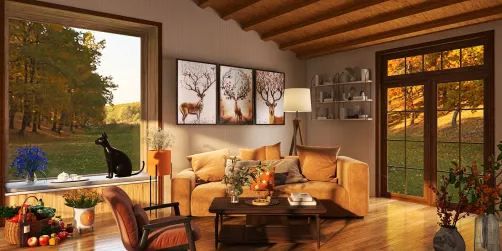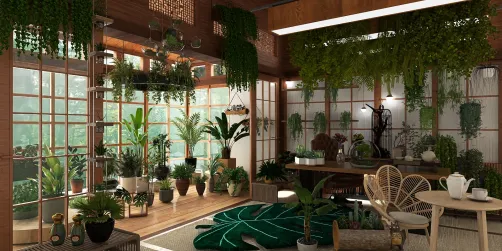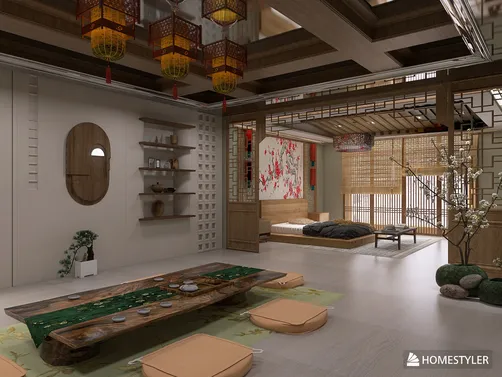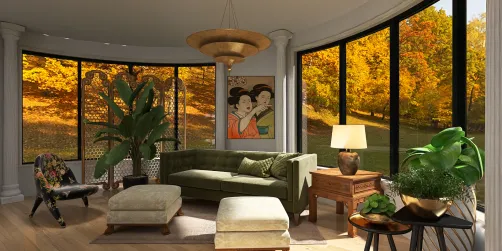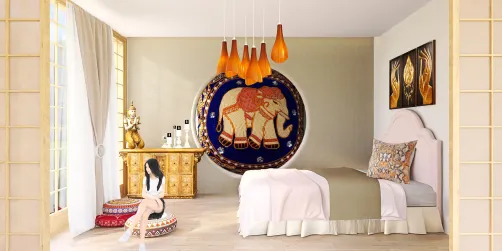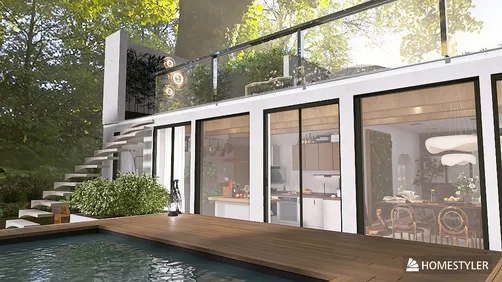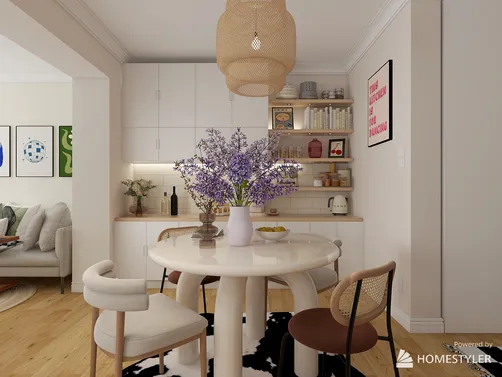
Designing a small home on a budget doesn't mean you have to compromise on comfort or aesthetics. By concentrating on proportions, natural light, and versatile space planning, I create environments that feel more spacious than their actual dimensions. Practical choices, such as appropriately scaled structural frameworks, durable materials, and effective lighting solutions, provide long-term benefits while ensuring that the area remains cozy and appealing. Tools like Homestyler can assist in visualizing these design elements effectively.
Research consistently supports that well-thought-out design can significantly enhance daily living. The WELL Building Standard emphasizes how sufficient lighting and glare management improve both visual comfort and mood (WELL v2: Light). In addition, Gensler's research highlights that access to natural light fosters well-being and enhances performance in occupied spaces. These insights can be applied seamlessly to small homes: focus on maximizing daylight, adjusting color temperature, and controlling contrast to create a sense of calm and spaciousness. A room design tool can be invaluable for visualizing layouts, furniture dimensions, and storage areas prior to construction.
A smart lighting strategy represents one of the most impactful and affordable upgrades for small spaces. The IES suggests layering ambient, task, and accent lighting to minimize shadows and support visual tasks (IES lighting guidance). Additionally, research from Steelcase reinforces the idea that well-distributed lighting aids concentration and reduces fatigue—an essential consideration in compact homes where rooms often serve multiple purposes. Utilizing platforms like Homestyler can help in planning these lighting strategies effectively.
Prioritize the Strategy: Effective Spatial Ratios
Maximizing every dollar is crucial when circulation paths are compact and furniture is appropriately sized. I establish a primary circulation path and maintain proportional room sizes: living spaces should be about a 1:1.5 ratio, while bedrooms can be closer to square to accommodate versatile furniture layouts. In studios or one-bedroom designs, merge living and dining areas into an open layout, using rugs, ceiling features, or variations in light temperature to delineate zones without the need for full-height walls. A helpful guideline is to limit significant zones to two in small rooms rather than three. If you’re experimenting with furniture arrangements or wall placements, an interior layout planner, like Homestyler, can quickly highlight conflicts and refine clearance to 30–36 inches.
Functional Furniture That Justifies Its Space
Compact sofas with built-in storage, convertible tables that transform from dining to desk, and platform beds equipped with drawers minimize the necessity for additional furniture pieces. Opt for designs with slim arms, elevated legs, and lighter textiles to maintain a sense of openness. In compact living situations, a wall-mounted desk that folds down with integrated power outlets can convert a narrow corridor into a functional workspace without utilizing precious floor space.
Lighting Environment: Daylight, Color Temperature, and Glare Control
Daylight is extremely beneficial for small rooms, but glare can negate its advantages. I recommend diffusing window treatment options—such as sheer roller shades or top-down cellular blinds—and strategically placing reflective surfaces to disperse light without creating hot spots. For evening lighting, use ambient light in the 2700–3000K range to soothe the environment, while 3500–4000K task illumination is suitable for cooking or reading. Ensuring a CRI above 90 is essential for accurate color representation, particularly in compact kitchens where food preparation and safety are paramount.
Color Psychology: Enhance the Perception of Space
Color profoundly influences perception and mood. Soft neutral tones with warm undertones—such as sand, oyster, and pale taupe—provide a welcoming backdrop and reflect light effectively. Insights from Verywell Mind’s color psychology indicate that shades of blue and green are associated with tranquility and stability; therefore, I prefer muted sage or dusty blue in bedrooms to reduce visual clutter. It’s wise to limit stark contrasting transitions; instead, employ tonal variations across walls, moldings, and cabinetry to create longer sightlines. An accent wall can add character, but it’s best to keep the hue desaturated to avoid diminishing the space.
Maximizing Storage Through Vertical Solutions
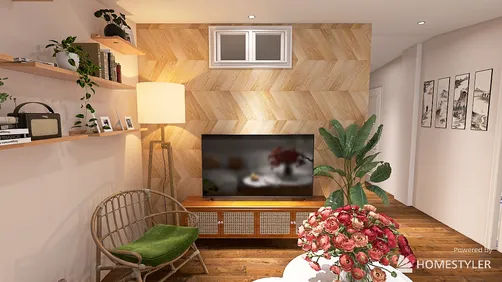
Utilize vertical space with floor-to-ceiling shelves and overhead cabinets. Incorporate storage into staircases, benches, and bed frames to eliminate the need for bulky furniture pieces. I favor 12–14-inch deep wall cabinets in small areas—sufficient for most items without overwhelming the room. Employ sliding doors or pocket hardware in tight spaces to maintain circulation. Keeping floor edges clear (3–6 inches at baseboards) creates a sense of a larger footprint; wall-mounted media units and nightstands can also help.
Creating Acoustic Comfort on a Budget
Compact spaces can amplify sound. Introduce layers of soft materials—such as area rugs, lined curtains, and upholstered furniture—to absorb sound. In open-plan areas, a felt pinboard or a bookcase filled with varied objects can work as a sound diffuser. Cluster noisy appliances together and isolate them with rubber feet, and keep sleeping areas away from mechanical systems wherever feasible. When adding partitions, opting for hollow-core doors with added sound insulation or economical sound-absorbing blankets concealed behind drywall can be effective.
Material Choices and Sustainability
Choosing a budget-friendly approach doesn’t equate to selecting disposable options. Aim for durable low-VOC paints, high-wear laminate countertops with square edges, and click-lock engineered flooring with a robust wear layer. Beautiful, sustainably sourced plywood with a clear matte finish can be an attractive choice for millwork. Consider reversible finishes—like painted fronts and modular shelving—so your home can adapt without the need for extensive renovations.
Compact Kitchens: Optimizing Functionality in Limited Space
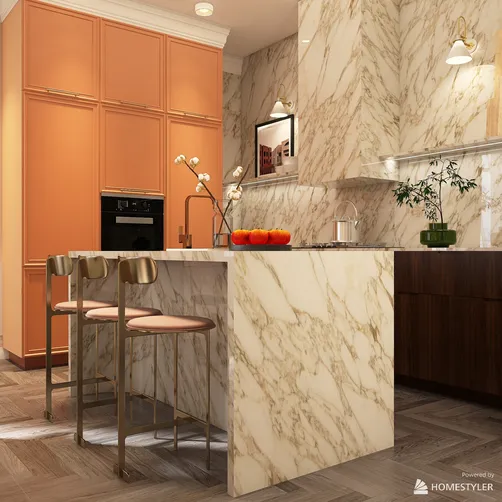
Adhere to NKBA guidelines for safe clearances in micro-kitchens: maintain at least 36 inches between opposite counters and ensure ample landing zones around appliances. Utilize 24-inch ranges and counter-depth refrigerators to save space without sacrificing usability. Undercabinet lighting can minimize shadows; using lights in the 3500–4000K range is effective here. Shallow, full-height pantries often outperform traditional base cabinets in terms of both capacity and convenience.
Bathrooms: Bright, Simple, and Low Maintenance
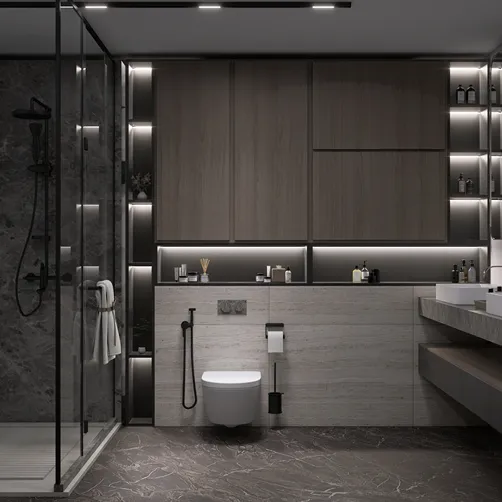
Wall-mounted vanities create an illusion of more floor space and ease of cleaning. Select large-format tiles with light-colored grout to minimize the appearance of seams. A clear glass panel instead of a complete shower door enhances the visual connection within the room. For lighting, install dimmable fixtures along with ambient ceiling lights; balance should be set between 3000–3500K for grooming and evening relaxation.
Small Bedrooms: Prioritizing Rest
Center the bed between well-proportioned nightstands to create visual balance. Incorporate reading lights that provide focused illumination to avoid light spill onto the partner’s side. In snug spaces, choose headboards with integrated shelves that can manage power outlets efficiently. Using blackout shades layered over sheer drapes allows the room to transition from bright to cozy without cumbersome fabrics.
Exterior Enhancements That Make a Difference
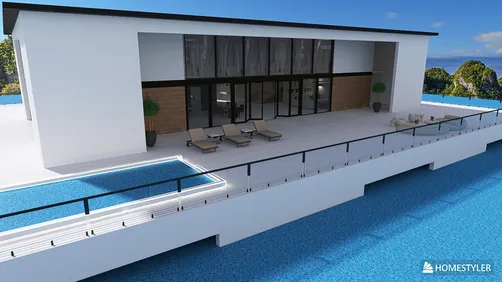
Micro-porches, deep window overhangs, and simple awnings can mitigate the impact of sun and rain, consequently lowering cooling expenses and preserving finishes. A strategically placed shade tree on the west side can significantly reduce afternoon heat gain. Light-colored exterior paint and high-albedo roofing can help maintain cooler temperatures in the summer months for small homes.
Budget Strategies: Where to Invest and Where to Cut Costs
Focus your budget on careful planning, insulation, windows, and effective lighting. Cut costs on decorative woodworking, oversized appliances, and complicated wall finishes. Standardizing dimensions—such as using 24-inch modules for cabinetry—ensures that off-the-shelf items fit seamlessly. Minimize structural alterations; instead, employ furniture and illumination to demarcate zones.
Case Studies: Insights from Real-Life Applications
In the compact homes I have worked on, the most significant perceived improvements came from refining circulation patterns and adjusting lighting. A 420 sq ft studio previously felt constricted until we aligned storage along one wall, introduced warm 3000K ambient light alongside 3500K task lights in the kitchen, and elevated furniture on legs to reveal more flooring. The client noted less visual clutter and an easier daily routine thereafter.
Frequently Asked Questions
Utilize a limited color palette, elevated furniture designs, layered lighting, and maintain one primary circulation route. Define areas using rugs and light variations rather than full walls.
Use ambient lighting in the 2700–3000K range for relaxation, and opt for 3500–4000K in task-focused areas like kitchens and workspaces. Ensure high CRI (90+) for true-to-life color accuracy and enhanced visual comfort.
Go for engineered wood with a strong wear layer, laminate with clean edges, sustainably sourced plywood with clear finishes, and low-VOC paints to keep elements simple and proportional.
Incorporate soft materials, rugs, lined curtains, group noisy appliances together, and implement door sweeps or enhanced insulation in partitions. Bookshelves and felt panels can serve as economical sound dampeners.
Leverage vertical space, integrate storage into furniture like beds and benches, use shallow full-height cabinets, and consider pocket or sliding doors to maintain ease of movement.
Selecting appropriately sized appliances (such as a 24-inch range and counter-depth refrigerator), adhering to NKBA clearance recommendations, adding under-cabinet lighting, and prioritizing tall pantries for storage efficiency is crucial in compact kitchens.
Yes, but it’s important to maintain two clear zones in each room and avoid intricate pathways. Utilize ceiling details, color temperature, and rugs to define distinct areas while preserving a sense of openness.
Invest in planning, insulation, windows, and layered light solutions while saving on ornamental cabinetry and complex finishes. Standardize measurements to take advantage of ready-made components.
Opt for soft neutrals with warm undertones as a foundation, muted greens or blues for calming accents, and limit harsh color transitions to enhance spatial perception.
Utilize room design visualization tools like Homestyler to explore furniture scales, clearance, and light pathways prior to initiating construction, helping to avoid costly modifications down the line.
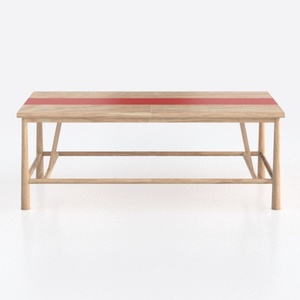
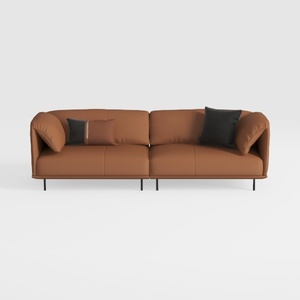

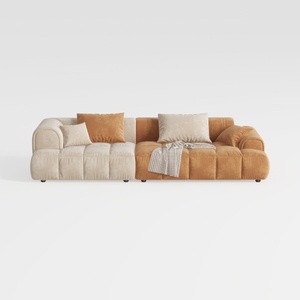
Homestyler is your go-to online home design platform. With its user-friendly design tool, stunning 3D renderings, and a treasure trove of DIY video tutorials, you can effortlessly create, visualize, and elevate your home projects. Transform your living space today with Homestyler!







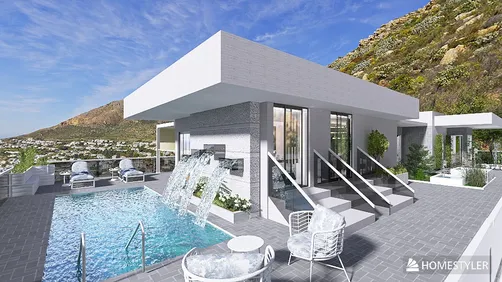









![[For dear Adelina madee 🤎]](https://hs-designs.homestyler.com/production/design/images/8a07e535-9cbc-4132-a42a-5932dac3a112/1706972286037.jpg?x-oss-process=image/resize,w_502,m_mfit/format,webp)