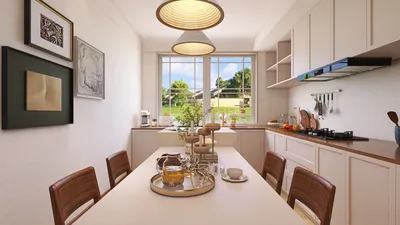
Once, I had a client adamant about fitting a shoe rack in their compact entryway—large enough for a hiking club. This challenge pushed us to maximize storage in every available nook, resulting in valuable insights on optimizing small spaces. Intriguing small mudroom concepts encourage creativity; in limited floor areas, factors like seat depth and door swing can significantly affect functionality. If you're eager to see how everything will fit before purchasing hooks and baskets, immediately adopting a visualization approach could be beneficial. Consider using Homestyler to explore possible layouts.
1. Sleek built-in bench with concealed storage
I favor benches with internal compartments or lift-up seats, merging a seating area with hidden storage for shoes and seasonal items. This option is organized and ideal for families, although it tends to be pricier than open shelving due to hardware and carpentry costs. Pro tip: for a narrow mudroom, set the seat depth at 14–16 inches to avoid obstructing movement.
save pin
2. Vertical storage solutions
When floor space is at a premium, utilize vertical areas: hooks, pegboards, and slim cabinets help keep items off the floor while remaining visible. This approach is both economical and versatile, but achieving a cohesive aesthetic is crucial; a cluster of mismatched hooks can appear chaotic. For a client, I installed a painted slat wall, and it created a striking visual continuity that made the entryway feel more spacious.
save pin
3. Foldable drop zone for quick organization
A foldable table or wall-mounted panel can function as a mail station or charging area, with the option to tuck it away for more space when needed. This is especially practical for narrow homes, though planning for wiring is essential if you desire built-in outlets. While sketching layouts to explore different placements, utilizing a tool such as Homestyler for quick layout visualizations saved me considerable time and eliminated measurement confusion.
save pin
4. Versatile mudroom nook
Create a practical nook by combining a shallow closet, a shelf for keys, and a small laundry basket to tackle both entryway clutter and laundry overflow. The convenience is tremendous; however, to maintain a serene look, you might need doors or curtains to conceal the disarray. I often recommend clients choose a prominent finish—such as matte black hardware—to unify these components.
save pin
5. Luminous mini mudroom with robust finishes
Light-colored and reflective surfaces—consider semi-gloss paint on trim and pale tiles—can make small mudrooms feel more expansive, while durable materials can withstand wet footwear. It’s a wise budget choice: allocate resources where wear is most significant (floors, lower walls) while keeping inexpensive accents. To preview materials and assess spatial dynamics in 3D before finalizing decisions, I frequently create a 3D model using Homestyler so clients can visualize scale and color effectively.
save pin
FAQ
Q1: What are the essential components of a small mudroom?
Crucial elements include a seating area, storage for shoes, hooks for outerwear, and a robust flooring solution. Prioritizing these four functions—even in tiny spaces—ensures a smooth daily routine.
Q2: What is the ideal width for a bench in a mudroom?
For comfort, a seat width of 14–18 inches is suitable for narrow entries; larger spaces may extend up to 20 inches. I advise using a chair or stool of comparable depth to test before construction.
Q3: Is tile necessary for a mudroom floor?
Tile is excellent for moisture and mud management, but durable alternatives like luxury vinyl or sealed concrete are budget-friendly options. Opt for slip-resistant finishes to ensure safety when surfaces are wet.
Q4: Can I install electrical outlets in a mudroom?
Absolutely—outlets for charging stations, heated boot racks, or lighting are advantageous; ensure a licensed electrician handles the installation to comply with regulations. Plan the placement during the layout to avoid creating tripping hazards with cords.
Q5: How can I conceal clutter in an entryway without doors?
Incorporate closed cabinetry with push-to-open fronts or a neat curtain that complements your color scheme. Baskets on shelves can also visually organize items effectively. Closed storage can make a small area feel significantly more tranquil.
Q6: What low-cost enhancements can I make for a small mudroom?
Fresh paint, new hooks, a sturdy doormat, and pegboard organizers are all economical options that can have a profound impact. I frequently suggest updating hardware or adding a runner before committing to built-in solutions.
Q7: What clearance is necessary to open exterior doors in a mudroom?
Ensure at least 36 inches of clear space from the door swing to any obstacles for easy entry and exit. If space is limited, consider alternatives like sliding barn doors or outward-swinging options to maximize interior room.
Q8: Are there established standards for mudroom design?
Indeed—organizations like the National Kitchen & Bath Association (NKBA) provide guidelines for functional clearance and storage planning; you can refer to NKBA resources for dimension recommendations. Following these guidelines helps guarantee your layout functions efficiently in daily use.
save pin
Discover the magic of home design with Homestyler! This user-friendly platform offers an innovative online design tool, stunning 3D renderings, and a wealth of DIY video tutorials. Whether you're a novice or an expert, Homestyler empowers you to create your dream space effortlessly.