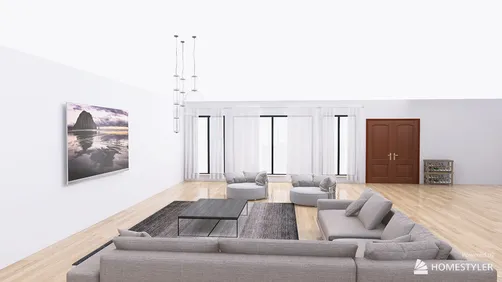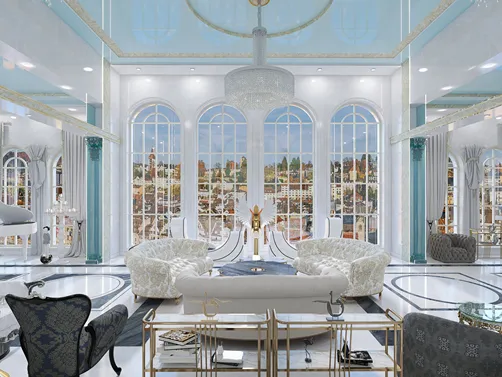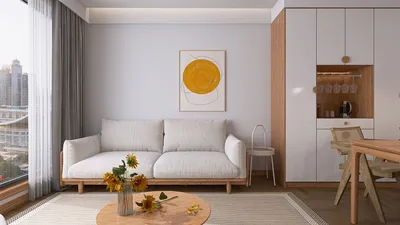
In my experience, painting a small living room matte black at a client's request was meant to add an edgy flair — however, it ultimately resulted in a cave-like atmosphere. This colorful lesson led me to recognize the importance of balancing raw industrial features with cozy elements, prompting a shift to more thoughtful design solutions. When tackling a compact industrial living space, small decisions can yield a significant impact on the room’s character, especially with smart space management tools like Homestyler to visualize changes before finalizing designs.
1. Combine Raw Surfaces with Soft Textures
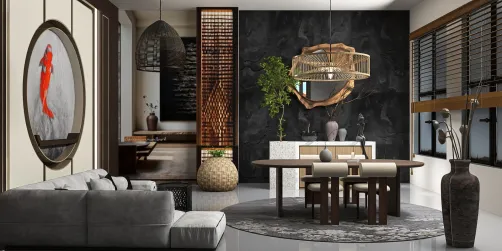
I enjoy leaving one wall exposed, whether it's brick or concrete, to immediately establish an industrial vibe. To counteract the coldness of these materials, incorporate textured rugs, soft throws on sofas, and warm metallic accents, ensuring the space feels inviting rather than stark. While raw finishes can accumulate dust and require maintenance, a properly sealed concrete wall paired with easy-to-clean textiles minimizes upkeep.
save pin
2. Opt for Vertical Storage and Streamlined Pieces
In various compact projects, I've maximized floor space by building vertically: tall shelving units, floating consoles, and wall-mounted lights have become essential. Furniture with slender legs enhances the room's openness, making movement feel less constrained. However, be cautious of overcrowding shelves, as it can create visual clutter; carefully select items and allow space for them to breathe.
save pin
3. Implement Layered Lighting for Added Dimension
Strategically layering lighting — such as using a pendant above the seating area, a floor lamp for reading, and under-shelf LED strips — can enhance depth and showcase textures without expanding the physical space. I often diagram lighting zones to prevent glare and ensure no area is left too dim. Utilizing tools like Homestyler helps clients visualize these arrangements in 3D, clarifying the optimal placement of each fixture.
save pin
4. Select Multifunctional Items with an Industrial Flair
Pieces such as lift-top coffee tables, slender armoires that double as media cabinets, or benches with hidden storage capabilities are essential in small urban apartments. I prefer furniture featuring metal frames accented by warm wood surfaces, as it maintains an industrial aesthetic while adding a sense of comfort. Although custom designs can be costly, choosing a few deliberate pieces can cut down on clutter and create intentionality.
save pin
5. Maintain Open Sightlines to the Kitchen or Entryway
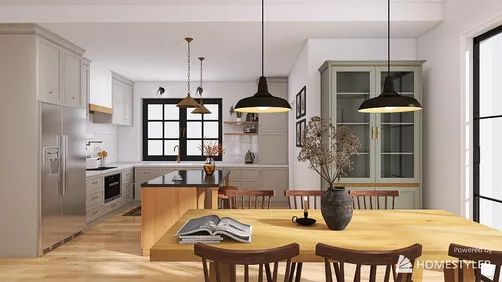
Whenever possible, keeping sightlines clear can make a living room feel larger and more open; even a minor offset sofa or a low-back sectional can assist in achieving this. For open-concept apartments, thoughtful positioning near the kitchen enhances the overall flow. Additionally, if you aim to streamline kitchen processes during the design phase, placing seating so it faces the prep area contributes to a harmonious living environment throughout the home.
save pin
Tips 1:
Financial Tips: You don’t need a large budget to achieve an industrial look. A feature wall in deep charcoal, some textured cushions, and a standout light fixture can entirely transform a space. If you’re hesitant about permanent alterations, consider testing removable peel-and-stick brick wallpaper or renting a rug first.
save pin
FAQ
Q1: What color scheme is ideal for a compact industrial living area?
Stick with a limited color palette that includes charcoals, warm greys, deep blues, and earthy wood tones. Incorporate a singular accent color through textiles or artwork to prevent a monochromatic appearance.
Q2: How can I enhance the coziness of a small industrial space?
Introduce soft materials such as wool rugs, linen cushions, and warm metal accents. Layering diverse textures adds comforting warmth without forsaking the industrial essence.
Q3: What lighting brightness is advisable for living areas?
The Illuminating Engineering Society (IES) recommends approximately 100–300 lux for general activities in living rooms, achievable by combining ambient, task, and accent lighting strategies.
Q4: Do raw materials demand high maintenance?
Some can require additional care — exposed brick and bare concrete need to be sealed to avoid dust and stains. With proper sealing and regular cleaning, such materials can be easily maintained in everyday settings.
Q5: Is it feasible to blend industrial design with other styles?
Definitely! Industrial design can beautifully complement styles like mid-century modern, Scandinavian minimalism, or bohemian accents; the secret lies in maintaining a balance so that one style does not overpower another.
Q6: What furniture should be prioritized in a compact space?
Focus on seating and storage solutions that serve multiple roles, such as a sleek sofa equipped with storage ottomans or a media console that functions as a display shelf. Measure and design layouts prior to making purchases for better results.
Q7: How do I select the right rug size for a small industrial living room?
Choose a rug that either accommodates all front legs of your furniture or sits beneath just the front legs; avoid small rugs that seem disconnected. A larger rug helps visually expand the space and ties the arrangement together.
Q8: Where can I experiment with layouts before purchasing furniture?
I frequently explore various arrangements with digital room planners or simple cardboard cutouts on the floor; this method minimizes returns and the risk of buyer's remorse. Additionally, sketching to scale or utilizing a room planner like Homestyler can greatly assist in finalizing your choices.
save pin
Discover your inner designer with Homestyler! This intuitive online platform offers easy-to-use design tools, stunning 3D renderings, and a wealth of DIY tutorials. Whether you're a novice or a pro, you’ll find inspiration and all the resources you need to transform your home effortlessly.