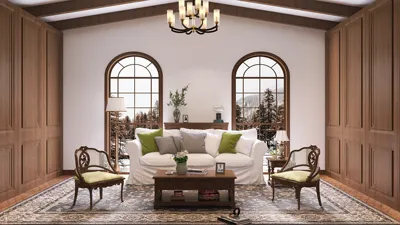


Efficiently designed small hotel rooms maximize every available space to create a purposeful atmosphere. Over the last ten years of developing compact guest rooms, I've adopted principles like spatial discipline, layered lighting, and a restrained palette of materials. This approach ensures that rooms feel serene, intuitive, and surprisingly spacious, even when square footage is limited. For those in the designing phase, utilizing design tools like Homestyler can aid in visualizing these essential elements effectively.
Guest experience is closely linked to comfort factors, particularly concerning light, ergonomics, and sound levels. According to the WELL Building Standard, maintaining task lighting of 300–500 lux is recommended for activities like reading, while implementing glare control and strategies that align with circadian rhythms helps to mitigate eye strain during evening use. Research from Steelcase indicates that offering variety in seating postures enhances well-being and focus, emphasizing the importance of chairs and surfaces that accommodate multiple positions. In terms of color, insights from Verywell Mind reveal that soft hues like desaturated blues and greens can promote relaxation and reduce stress—an important consideration for compact spaces that can quickly feel overwhelming.
Effective space planning should prioritize movement, storage solutions, and multi-functionality. Studies from Gensler consistently demonstrate that visual clarity contributes to the perception of spaciousness—creating unobstructed sightlines and logical pathways can significantly enhance the feel of a small room. If experimenting with configurations, layout simulation tools like Homestyler allow for easy testing of bed orientations, desk placements, and luggage zones before final decisions are made about permanent installations.
Quiet, Calming Layout That Respects Circulation
I begin by sketching the route from the entry to the bed, then to the bathroom, and finally to the window, ensuring there are no bottlenecks along this central path. It's important to maintain a clear walkway of 30–36 inches. Position the bed’s headboard against the longest wall whenever feasible, ensuring that foot traffic doesn’t disrupt the bed area. The desk or console should be placed opposite the bed to prevent luggage and seating from impeding movement. In cases where the room is notably narrow, consider replacing a freestanding desk with a wall-mounted shelf (12–16 inches deep) and a compact task chair underneath.
Multi-Use Furniture With Slim Profiles
Furniture should serve multiple purposes. For instance, a bench positioned at the foot of the bed can function as a suitcase stand; a lift-top bedside table can conceal chargers and travel essentials. A wall-mounted headboard can incorporate swing-arm lamps and a floating shelf to minimize nightstand clutter. For ergonomic comfort, aim for seat heights around 17–18 inches and table heights of approximately 28–29 inches, following furniture norm recommendations from research by Herman Miller. Additionally, opt for narrow armchairs (22–24 inches) that feature straight backs and durable cushions to efficiently utilize floor space while remaining comfortable for brief periods of sitting.
Layered Lighting: Ambient, Task, and Accent
Small hotel rooms gain depth from layered lighting designs. Ideally, the ambient lighting should be set between 150–300 lux, task lighting at 300–500 lux, especially at the bed and desk areas, with warm color temperatures (2700–3000K) for comfortable nighttime use. I prefer ceiling-mounted ambient lighting with a high cutoff angle to minimize glare, bed-side sconces for reading, and an accent light behind the headboard to create a rhythm without adding visual weight. Adhering to IES recommendations for glare control and uniform illumination is crucial to ensure adequate lighting without harsh spots. Dimmable circuits allow guests to adjust lighting moods easily.
Color and Material Restraint
In compact rooms, a simple color scheme is vital: one foundational wall color (soft neutral or muted tone), one warm wood finish, and an accent color for textiles. High saturation can visually compress space, so it’s advisable to keep it subdued and use texture—such as bouclé, linen blends, and matte ceramics—to enhance tactile appeal without overwhelming visual stimulation. Research from Verywell Mind supports the idea that cooler, softer hues foster relaxation and decrease anxiety, which can augment perceived space. Additionally, employing low-VOC finishes and robust materials can contribute to better air quality and lower maintenance needs.
Intelligent Storage Solutions That Maximize Space
Guests appreciate quick access and hidden storage options. An open wardrobe niche measuring 24–30 inches wide with sliding doors is preferable to traditional swinging doors in small rooms. Incorporate a storage drawer or lift-up base beneath the bed for additional space, and consider a compact module housing a mini-fridge and kettle for convenience. Hooks near the door can store coats and bags, while a foldable luggage rack conserves floor space when not in use. The aim is to create a tidy environment with visible essentials but concealed bulk.
Enhancing Acoustic Comfort
Noise levels have a direct impact on guest satisfaction. To mitigate sound issues, I utilize sound-absorbing curtains, upholstered headboards, and soft rugs to diminish echoes. Installing solid-core doors and perimeter seals can protect against hallway noise while ensuring that bathroom exhausts operate quietly without mechanical noise. Soft materials placed at first reflection points—such as opposite the bed and near the desk—can significantly lessen perceived sound without significant construction alterations.
Creating a Micro-Work Zone That Prioritizes Ergonomics
Even leisure travelers often check emails while away. Providing a chair with lumbar support and a work surface spacious enough for a laptop (at least 16–18 inches deep) is crucial. An adjustable task light should be provided to avoid creating shadows over the working area. Additionally, optimal cable management and an outlet cluster that includes USB-C are necessary to keep the area clutter-free. According to research by Steelcase, incorporating a secondary perch—like a window ledge or cushioned bench—allows guests to shift positions comfortably throughout their stay.
Maximizing Natural Light and Privacy
Natural light can significantly enhance the sense of space. Implementing dual-layer window treatments—such as translucent shades for daytime and blackout curtains for nighttime—can help achieve this balance. Ensure furniture is kept away from the window wall to maintain depth perception, and reflective surfaces near the window can heighten brightness without causing glare. If the window sill is low, a narrow built-in seat can provide a pleasant nook with an uninterrupted view.
Compact Bathroom Design Without Sacrificing Comfort
In limited ensuite bathrooms, an 18–20 inch deep wall-hung vanity creates visual space on the floor. Using frameless clear glass for the shower provides an open feeling, while recessed and softly lit niches help organize toiletries. Safety features like anti-slip matte tiles and thermostatic mixing valves are essential. Hooks are more efficient than towel bars in constrained spaces, and a wall-to-wall mirror amplifies the sense of space.
Navigating Within the Room: Wayfinding and Visual Rhythm
Guests favor designs that offer clear layouts to reduce confusion. Aligning central elements, such as the bed, artwork, and lighting, creates a visual order. A consistent motif, like a wood band at headboard height, fosters rhythm and unity among various design features. Minimal visible hardware and integrated pulls can further simplify the overall aesthetic.
Enhancing Energy and Maintenance Efficiency
Using LED fixtures with high efficacy, resilient surfaces that are easy to clean, and modular components supports efficient operations. Consider employing occupancy sensors for lighting and HVAC adjustments to reduce energy consumption without inconveniencing guests. Select materials that can withstand impacts from luggage and frequent cleaning—high-pressure laminates, stain-resistant fabrics, and washable paints are all effective in compact hospitality settings.
Rapid Validation of Layouts
Prior to construction, I prototype various arrangements for the bed and desk to ensure appropriate clearances and sightlines. Tools like Homestyler provide virtual assistance in testing circulation widths, luggage arrangements, and lighting angles, minimizing the risk of costly adjustments later in the process.
Frequent Questions
To facilitate movement between the entry, bed, and bathroom, ensure a clear width of 30–36 inches to avoid conflicts with luggage and allow for comfortable two-way travel.
For optimal lighting, target ambient levels of 150–300 lux, task levels at 300–500 lux near the bed and desk, and warm color temperatures of 2700–3000K, adhering to IES guidelines for visual comfort.
Utilize soft neutrals and desaturated cool tones, keeping accent saturation limited. This color scheme is associated with reducing arousal levels and fostering a calmer atmosphere, according to Verywell Mind.
Incorporate storage solutions like under-bed drawers, wall-mounted shelves, recessed niches, and sliding wardrobe doors. Combine the mini-fridge and kettle into a compact cabinet for space efficiency.
Ensure the presence of a supportive chair, a clear work surface of 16–18 inches in depth, an adjustable task light, and outlets with built-in USB-C to accommodate guests. It’s also advisable to provide an additional seating option for varied posture throughout their stay.
Implement features like solid-core doors, sealed frames, and soft finishes at reflection points, alongside acoustic curtains and quiet operational mechanisms. Simple fixes such as a rug and upholstered headboard can greatly enhance sound insulation.
Adjustable sconces with effective cutoff can minimize glare while freeing up nightstand space. Pendant lights can be feasible if properly cabled and positioned to prevent casting shadows.
Consider bedside surfaces measuring 10–12 inches deep, wall desks at 12–16 inches deep, narrow armchairs at 22–24 inches wide, and benches that can double as luggage stands with a height around 17–18 inches.
Maintain clear pathways, align focal points, use simple hardware, and establish consistent lighting controls. Place storage where guests naturally stop, such as near the entry, bedside, and opposite the bed.
Select warm veneers with matte finishes, high-pressure laminate for impact-prone areas, and stain-resistant fabrics, along with low-VOC paints to enhance air quality while ensuring durability.
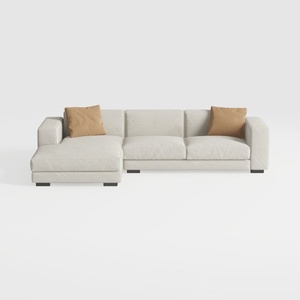
Minimalist Fabric L Shape Sectional Sofa with Throw Pillows 3D Model
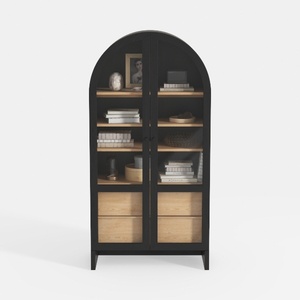
Minimalist Black Oak Arched Glass Display Cabinet 3D Model

Minimalist Solid Wood Linen Fabric Three Seat Sofa 3D Model
Homestyler is an outstanding online home design platform perfect for hobbyists and professionals alike. With its user-friendly design tool, stunning 3D renderings, inspiring design projects, and helpful DIY video tutorials, you can effortlessly create and visualize your dream spaces. Transform your vision into reality today!
立即免费设计
































