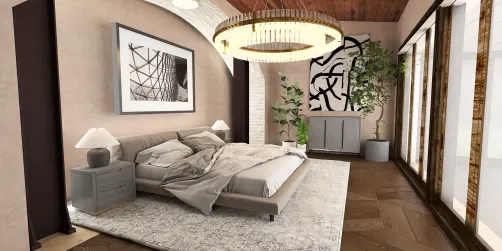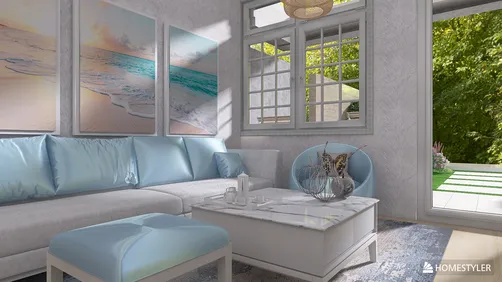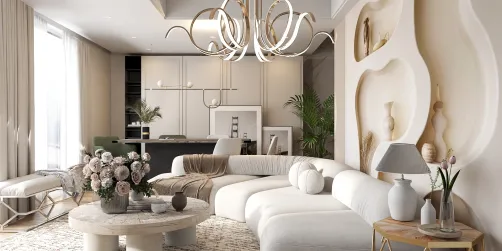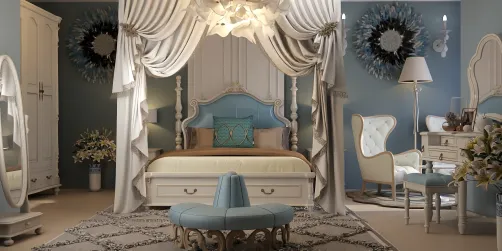
A client I once worked with faced an unusual challenge: their front door opened directly into their living space, landing unceremoniously on the sofa. They requested a way to make the sofa seem “invisible” when guests arrived. While that idea didn’t quite pan out, it imparted a valuable lesson: designing for small spaces requires innovative thinking. When navigating compact entry-living blends, I advise clients to visualize the traffic flow, helping them understand how people enter and traverse the space.
Challenging spaces often ignite creative problem-solving. Here are five practical strategies I implement in real-world projects, all designed with budget considerations in mind. These approaches have been tested in apartments that initially seemed too cramped to be functional.
1. Create Definition with a Slim Console
To mitigate the issue of a door swing that cuts into space, set up a compact landing area with a console table measuring 12-18 inches in width, complemented by a shallow tray for keys and a wall-mounted hook. This small setup gives purpose to the entrance while keeping items off the sofa. The trade-off might be sacrificing a few inches of living space, but establishing a designated arrival area dramatically curbs daily disarray.
save pin
2. Float Seating for Enhanced Sightlines
Reposition the sofa slightly away from the wall to direct sightlines from the door into the room rather than towards a blank wall. This simple adjustment creates an illusion of space and allows for an extra narrow bench behind the sofa. It’s a small furniture adjustment that yields significant visual benefits; just choose a low-profile bench to preserve the walking path.
save pin
3. Use a Single Rug to Unify Entry and Living Spaces
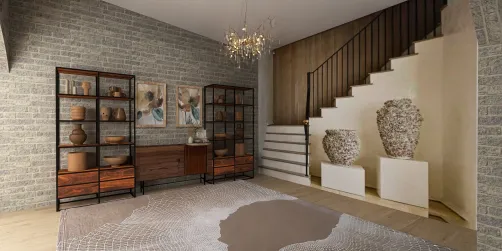
A well-sized rug can seamlessly connect the entry area, seating, and any adjacent dining space, minimizing visual clutter and helping guests feel at home from the moment they enter. If you prefer to map out arrangements ahead of time, consider using Homestyler to sketch layouts, testing rug sizes and furniture placements digitally before moving anything heavy.
save pin
4. Implement Vertical Storage for a Clear Floor
Opt for tall, slim storage solutions like floating shelves, a minimal cabinet, or a vertical coat rack to keep essential items off the floor and maintain clear paths. Vertical storage can appear less overwhelming than expected, provided you balance your choices; an overabundance of tall pieces could crowd the visual space.
save pin
5. Utilize Multipurpose Furniture Near the Door
Select a console that can double as a drop zone and additional seating, or an ottoman with internal storage positioned facing the entryway. This way, the first item encountered is not only practical but also enhances the living area's functionality. For apartments adjacent to a tiny kitchen, consider studying adjacent cooking zones to coordinate flow between the entry, living space, and kitchen — one small alteration can significantly address multiple flow issues.
save pin
Tips 1:
Budget-Friendly Tip: Consider thrift shopping for a slim console or giving an old bench a fresh coat of paint — these small updates can elevate perceived value dramatically. Measurement Insight: Always ensure a clearance of 30-36 inches from the door to the primary seating area. Personally, I've used a repurposed hall runner as an anchor in a living room, which clients appreciated for its added character.
save pin
FAQ
Q1: What is the minimum clearance recommended between the front door and the sofa?
A: Aim for a minimum of 30 inches (76 cm) for comfortable passage; if space allows, 36 inches (91 cm) is preferable.
Q2: Should the sofa be positioned directly facing the door?
A: Not necessarily; orienting the sofa to facilitate conversation and maintain good sightlines from the entrance can often prove more effective. A slight angle can work wonders in small areas.
Q3: What should I do if a door swings inward and obstructs furniture placement?
A: Utilize a narrow entry console, position hooks higher on the wall, or check if you can modify the door swing (if structural codes allow). A simple area rug can delineate the space where the door swing ends and the living area begins.
Q4: Can rugs really create the illusion of a larger space?
A: Absolutely. A single rug that touches all major furniture pieces can anchor the layout and unify the area, drastically reducing visual fragmentation.
Q5: What type of lighting works best in an entry-living combination?
A: A layered lighting approach is ideal: use overhead lighting for general purposes, a table lamp near seating, and a small wall sconce by the door for hands-free entry. Incorporating dimmer switches is an inexpensive upgrade that can significantly enhance ambiance.
Q6: How can I maintain privacy if my front door leads directly into the living room?
A: Consider using a tall plant, decorative screen, or a translucent curtain close to the entryway to soften sightlines while keeping the space open.
Q7: Are there any accessibility standards I should be mindful of for entry circulation?
A: Yes. The ADA Standards for Accessible Design (2010) dictate a continuous clear width of a minimum of 36 inches (91 cm) for primary pathways; for comprehensive details, refer to official ADA guidelines.
Q8: I’m on a tight budget, what’s the quickest change to improve entryway flow?
A: Clear out clutter from the entry, introduce a small tray for keys, and shift seating a few inches to widen the path. These low-cost adjustments frequently yield the most significant daily benefits.
save pin
Homestyler is your go-to online home design platform! With its user-friendly design tool, stunning 3D renderings, and a treasure trove of DIY video tutorials, you can effortlessly create and visualize your dream spaces. Transform your home design ideas into reality today!