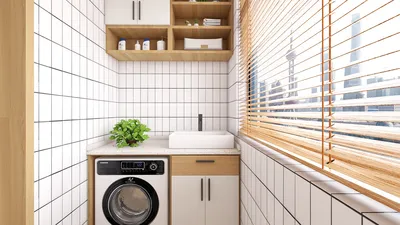


I once persuaded a client that installing antique brass brackets would lend a sense of liveliness to her compact bathroom — until the humidity tarnished them, prompting us to replace them. This early experience taught me that effective styling must prioritize practical materials. When crafting initial designs, I typically begin by envisioning shelving arrangements to assess scale and sightlines prior to any installation. Working with small areas ignites significant creativity, and shelves serve as an intimate platform where function harmonizes with aesthetics.
1. Textured Layers: Incorporating Baskets, Wood, and Glass
I enjoy pairing a sleek wooden shelf with woven baskets and a petite glass jar for cotton swabs — this setup softens the rigid tiles and conceals clutter. The benefits are clear: baskets hide disarray while the combination of wood and glass introduces tactile variety, but moisture can be a concern; therefore, opt for sealed wood and moisture-resistant baskets to prevent mildew growth.
save pin
2. Vertical Greenery: Humidity-Enjoying Plants
Plants can transform a mundane shelf into a captivating focal point. I suggest pothos or Boston ferns, both of which thrive in humid conditions; they can tolerate imperfect lighting and infuse freshness into shelves. However, they require upkeep — position them away from excessive splashes and consider faux options if you travel frequently.
save pin
3. Essential Organization: One-Touch Grouping
Arrange frequently used items — facial cleanser, a small jewelry tray, a reed diffuser — to create a cohesive vignette. For compact bathrooms, I often sketch space-efficient shelving plans to balance storage and display; this helps determine which items remain on the shelf and which are stored away. While this enhances style, it demands discipline: limit the number of items, or the shelf risks appearing cluttered.
save pin
4. Waterproof Designs: Mixing Metal and Acrylic
If your bathroom tends to get steamy, opting for metal or acrylic shelves is smart — they resist mold and are easy to clean. In one of my rental projects, I used powder-coated aluminum shelves, which the tenant appreciated for their low-maintenance nature; although they have a modern appearance, they can feel a bit cooler than wood, so consider warming them up with towels or wooden accents.
save pin
5. Minimalist Multi-Use: Incorporating Hooks, Rails, and Concealed Baskets
Merge an open shelf with hooks beneath for towels and a slim rail for hanging baskets; this strategy adds storage without the bulk. For clients making quick choices, I create rapid design prototypes to visualize how these combinations fit within the context. The downside is increased installation complexity: more attachments require meticulous planning.
save pin
Tips 1:
Maintain shelf depths of 12–15 inches for optimal utility, use corrosion-resistant brackets in wet areas, and arrange decorative items in odd-numbered groups to achieve a tidy aesthetic.
save pin
FAQ
Q1: What materials are ideal for bathroom shelves?
A: The most reliable materials include moisture-resistant options such as sealed hardwood, powder-coated metal, and acrylic. It's best to avoid untreated softwoods in humid areas to prevent their deformation and mold growth.
Q2: What height is appropriate for bathroom shelves?
A: Generally, shelves installed above sinks or toilets should be set at 48–52 inches from the ground; for towel shelving or lower storage, heights of 30–36 inches are recommended. Always measure your space and take into account mirror or cabinet locations.
Q3: Is it feasible to mix open and closed storage on the same wall?
A: Absolutely — combining open shelves with a small cabinet or storage basket provides display space while offering concealed storage for toiletries. The key is to maintain balance: one element should be dominant while the other complements it.
Q4: How can I prevent mold on items stored on shelves?
A: Utilize breathable containers for fabrics and quick-drying materials, and ensure adequate ventilation (via an exhaust fan or window). Regularly cleaning shelves and rotating towels helps minimize trapped moisture.
Q5: Are floating shelves suitable for small bathrooms?
A: Floating shelves are fantastic for making walls appear less cluttered and enhance visual openness. However, they may not support as much weight as bracketed shelves, so avoid placing heavy items on them unless they’re anchored securely to the studs.
Q6: What styling techniques create an intentional shelf appearance?
A: Implement a consistent color or material theme, group items in odd numbers, and balance functional elements with a couple of decorative pieces like a small plant or candle. Utilizing uniform containers can enhance organized looks.
Q7: Do you have safety recommendations for installing bathroom shelves?
A: Secure shelves to wall studs or use appropriate anchors for tile and drywall, and place heavier items lower to decrease the risk of falls. If uncertain, consider hiring a professional to avoid damages or unstable installations.
Q8: Where can I find professional design guidelines for bathrooms?
A: To obtain trustworthy information regarding spacing and safety, refer to the National Kitchen & Bath Association (NKBA) standards (https://www.nkba.org). Their recommendations ensure a balance of ergonomics, code compliance, and quality design.
save pin
Discover the magic of home design with Homestyler! This user-friendly platform offers an innovative online design tool, stunning 3D renderings, and a wealth of design projects and DIY video tutorials. Transform your space effortlessly and unleash your creativity today!
Дизайн сейчас бесплатно
































