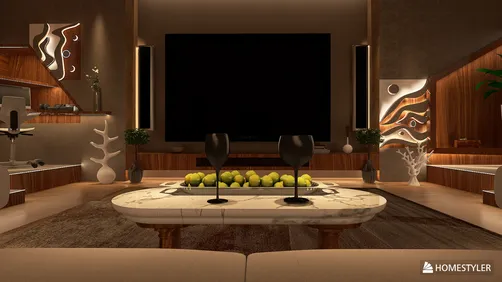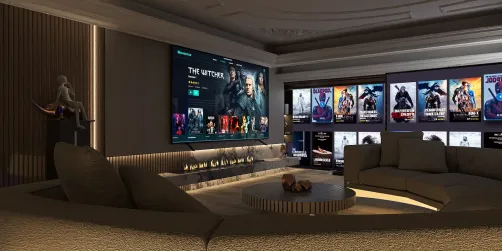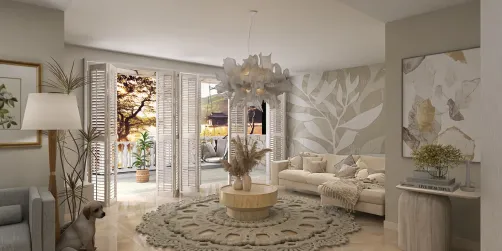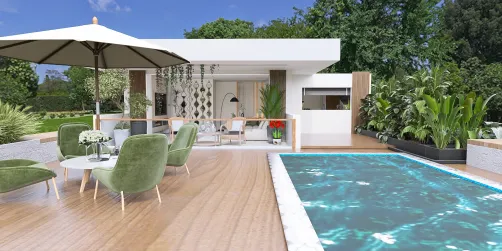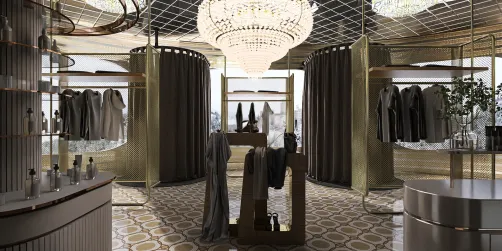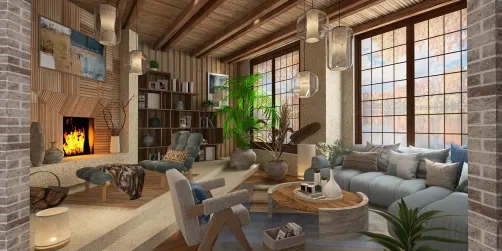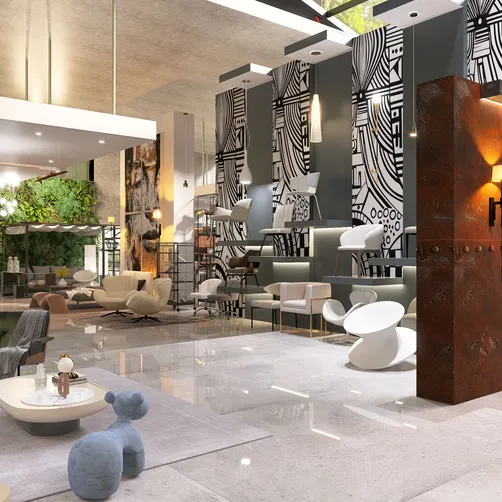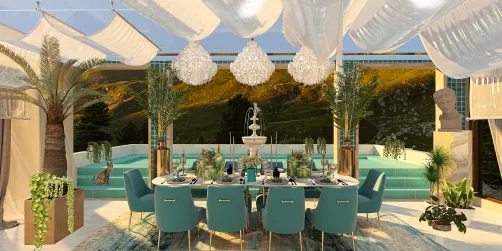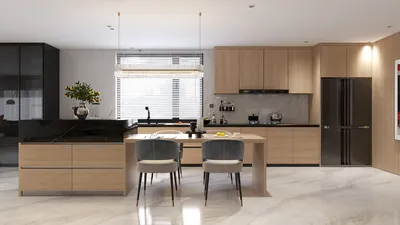
Having meticulously planned, staged, and assessed numerous venues, I find that Gloria Banquet Hall in Thane stands out with its impressive size, convenient accessibility, and remarkable ability to adapt to various event formats. Whether it's for vibrant sangeet nights or distinguished corporate awards, the hall's dimensions, ceiling height, and circulation layouts create a versatile space—assuming careful planning regarding the arrangement, illumination, and sound design. Utilizing tools like Homestyler can greatly aid in visualizing these elements effectively.
Before diving into creative aspects, it's important to base your decisions on factual insights. Factors such as seating comfort, glare management, and sound levels significantly impact guest satisfaction. WELL v2 guidelines suggest maintaining ambient noise and reverberation at levels conducive to speech clarity in gathering areas, with specific goals for background noise and echo duration to mitigate vocal strain (for additional recommendations on acoustics, consult wellcertified.com). Research from Steelcase underscores that a variety of postures and subtle movements enhance comfort and alertness during lengthy events, indicating that a blend of seating types and breakout areas can alleviate tiredness in extended programs (steelcase.com/research).
Gloria offers adaptable layouts that can accommodate banquet, theater, classroom, or mixed lounge configurations without compromising on aisle space or service efficiency when zoned properly. For optimal seating density, I typically recommend 10–12 square feet for each guest in banquet settings and 6–8 square feet for theater-style arrangements to ensure compliance with fire safety regulations and clear sight lines for photography and video. This approach aligns well with industry standards and prioritizes thoughtful design.
Location & Accessibility
Located in Thane with direct access via main roads and ample ride-share options, Gloria Banquet Hall allows for reliable travel times outside peak traffic hours. To manage arrivals efficiently for evening events, it’s advisable to schedule guest flow in 15–20 minute increments, minimizing congestion and parking challenges. Ensure that the entryway is compliant with accessibility standards and provides unobstructed views for wheelchair users without relegating them to the peripheries.
Capacity & Space Utilization
From my observations, the main hall has the capacity to comfortably host events ranging from intimate gatherings of 150–200 guests to large-scale banquets. For formal dining arrangements, it's vital to adhere to a spacing of at least 1.2 meters (4 feet) between the backs of chairs for round-table setups. For theater seating, ensure at least 1 meter (3.3 feet) for central aisles and 0.9 meters (3 feet) on the sides to accommodate camera movements and service activities. Maintaining a proportionate relationship between stage width and the distance of the first seating row (no less than 1.5 times the stage height) will help prevent neck discomfort and enhance camera framing.
Effective Layout Strategies
Begin with the circulation path—a central or peripheral loop that keeps catering and AV routes separate from guest interactions. Position the stage along the shorter wall to optimize audio and visual performance. Place bars and dessert areas diagonally opposite the stage to balance foot traffic. If evaluating various seating options, utilizing a room layout tool can effectively simulate table counts, aisle dimensions, and camera placements prior to finalizing rentals, with Homestyler being a great resource.
Lighting: Temperature, Glare, and Attention
The atmosphere of an event is significantly influenced by layered lighting. Maintain ambient house lighting around 3000–3500K for warmth and skin tone accuracy, while accent lighting on decorations can be calibrated slightly cooler (3500–4000K) to highlight features. To prevent glare, arrange light fixtures at an angle of over 30 degrees from direct sightlines, reducing light intensity to between 25 and 40 foot-candles at dining tables. Backlighting the stage and employing soft illumination helps speakers maintain visibility on camera without rendering their features flat. For dance sessions, program dynamic lighting scenes while ensuring safety levels on escape paths remain consistent.
Sound Comfort & AV Arrangement
Large venues can quickly amplify sound issues. Implement soft materials across portable drape lines, upholstered seating, and carpet runners to cut down on echo. It's advisable to keep subwoofers distanced from walls to manage bass levels and position delay speakers strategically for clear audio across the venue, typically maintaining sound levels around 65–70 dB(A) during presentations. Cooperate with a stage manager for smooth microphone transitions and rehearse cue sequences to avoid silence gaps. If a live band is present, manage their monitor levels effectively and place them slightly off-center to maintain clarity at principal tables.
Power Management, Rigging, and Safety
Request a comprehensive power schematic in advance. Distribute audio, lighting, and catering across separate circuits to avoid issues during high-demand periods. Verify the rigging points and weight limits if planning on overhead trusses or floral displays. Ensure clear access to electrical panels and fire extinguishers, and never obstruct emergency exits when incorporating photo booths or sponsor displays.
Guest Experience: From Arrival to Final Dance
Create a welcoming environment: position a host desk at the entrance, include a coat check or gift table nearby, and install an eye-catching backdrop that doesn’t impede movement. For plated service, servers should navigate their routes parallel to guest aisles. If hosting a multi-part evening—welcome, ceremony, dinner, and dance—utilize lighting changes and audio cues to signal transitions between segments. Ensure restrooms and hydration stations are easily visible from primary aisles to reduce queue-related delays.
Material Choices & Decorative Decisions
Select materials that not only create a beautiful aesthetic but also enhance sound quality: consider using textured linens, velour drapes, and layers of greenery. Opt for centerpieces that are either under 12 inches tall or above 24 inches to keep sightlines clear. Think about using eco-friendly florals and LED candles to minimize waste. Where applicable, favor renting decorations rather than purchasing; this approach lowers environmental footprints and simplifies event breakdown.
Psychology of Colors & Atmosphere Creation
For receptions aiming to foster warmth and connection, a color palette combining warm neutrals with soft blush, amber, or terracotta can encourage dialogue. For corporate award ceremonies, bold brand accents can have a strong presence, but maintaining a neutral base is essential to prevent overstimulation. Blue hues elicit calm and trust, whereas deep reds can evoke excitement—best used sparingly near the stage rather than cluttering tables.
Catering Logistics
For buffet setups, ensure a queuing depth of 1.2–1.5 meters (4–5 feet) along with at least two entry points to minimize waiting times. For live food stations, separate options by dietary needs and label clearly. For plated meals, pre-set bread and water to hasten service, and coordinate speeches during appetizer or dessert to avoid clashes with serving times.
Sustainable Practices
Choose energy-efficient LED lighting, use induction heating where possible, and provide refillable water stations instead of single-use bottles. Collaborate with decorators to repurpose floral arrangements from the ceremony for the reception and with caterers to plan portions that minimize waste. Encourage carpooling among guests to lessen parking pressures and reduce carbon emissions.
Photography, Videography, and Production Setup
Allocate camera wells measuring 8–10 feet in the middle and back of the room. Keep head tables within 60 feet of cameras for optimal facial detail capture using standard lenses. If there are awards or performances, conduct a 10-minute tech check with presenters to practice walk paths, handoffs, and positioning. Ensure confidence monitors are placed at angles of 30–45 degrees to the presenter to prevent misalignment of sight lines.
Priority Budgeting for Maximum Impact
If budget constraints necessitate prioritization, focus first on high-quality sound systems (microphones, mixing setups, and delay fills), followed by lighting controls (dimmers and scene setups), and finally on visual décor at eye level. High-quality audio and appropriate lighting enhance the guest experience far beyond any individual décor element, safeguarding the emotional undercurrents of your event.
Booking Recommendations & Checklist
- Reserve tentative dates promptly and secure a backup option for outdoor ceremonies.
- Request a comprehensive list of included items: tables, chairs, risers, in-house AV, green room, and rehearsal time.
- Verify noise restrictions and curfew times with the venue and neighborhood regulations.
- Conduct a walkthrough of the space with your planner, AV coordinator, and catering team together to address circulation concerns early on.
- Utilize an interior layout tool like Homestyler to finalize table configurations, stage sizes, and aisle widths prior to confirming rentals.
Illustrative Layouts for Gloria Banquet Hall
- For banquet rounds: Set up 10-top rounds with 4 feet between chair backs, centering the dance floor, and positioning the DJ opposite the stage.
- For theater configurations: Introduce a central aisle for processions, flanking it with two side aisles, and use a stage thrust for presenters.
- Mixed lounge layouts: Incorporate perimeter sofas and high-top tables, with a central dance area, and food stations along the longest wall to ease queue distribution.
FAQs
In terms of space planning for seated events, allocate 10–12 square feet per guest, accommodating medium to large weddings or corporate dinners comfortably. Theater setups can range from 6–8 square feet per person for presentations or ceremonies. Always cross-check with the hall's fire code regulations regarding occupancy and your AV setup.
Maintain ambient lighting at 3000–3500K for flattering skin tones, while accentuating décor at 3500–4000K, ensuring that the intensity remains at 25–40 foot-candles at tables to prevent glare for guests.
Utilize delay speakers in the venue's rear section, keeping sound levels around 65–70 dB(A) during speeches, while adding soft materials (drapery, carpet runners) and positioning subwoofers away from walls to control bass resonance. Following WELL v2 guidelines on acoustics can facilitate clear communication and reduce voice strain.
In terms of space management, implement center aisles of 1 meter (3.3 feet) and a minimum of 0.9 meters (3 feet) for side aisles. Ensure at least 1.2 meters (4 feet) between chair backs in round setups, allowing for comfortable passage for servers and guests alike.
Buffets are ideal for large, informal gatherings but require adequate depth and multiple entry points. Plated meals are suitable for formal timelines. Family-style service promotes guest interaction but demands wider spacing between tables. Coordinate with catering to align with your event schedule.
To maximize visibility and audio reach, place the stage along the shorter wall to enhance audio throw distance and clear sightlines. Ensure that the first row of seating is at least 1.5 times the height of the stage to prevent neck strain and ensure clean camera framing.
Implement eco-friendly practices such as utilizing LED lighting, renting décor, reusing ceremony flowers for the reception, and opting for water stations instead of individual bottles. Select textiles and drapery that both enhance visuals and absorb sound.
Structure the event into distinct phases—welcome reception, ceremony, dinner, and dancing—and signal transitions with lighting changes and brief audio cues. Set bread and water on tables in advance and plan speeches to coincide with salad or dessert to ensure smooth service delivery.
Certainly. It’s crucial to outline separate power circuits for audio, lighting, and catering to mitigate trips. Confirm rigging constraints if you are installing overhead décor or trusses, and arrange for a cue-to-cue rehearsal with presenters and performers prior to the event proceedings.
For social occasions, a palette of warm neutrals blended with soft amber or blush will promote connection among guests. For corporate events, utilize brand colors judiciously against a neutral backdrop to prevent sensory overload, ensuring that the stage remains the primary visual focal point.
Homestyler is the ultimate home design platform for anyone looking to create beautiful spaces. Its user-friendly online design tool, impressive 3D rendering features, and a wealth of design projects and DIY video tutorials make it easy to visualize and execute your dream home designs.