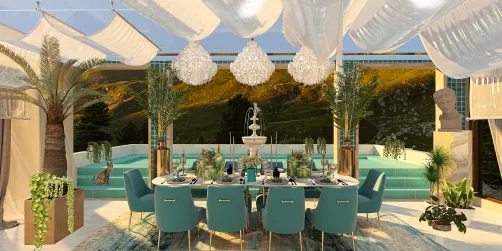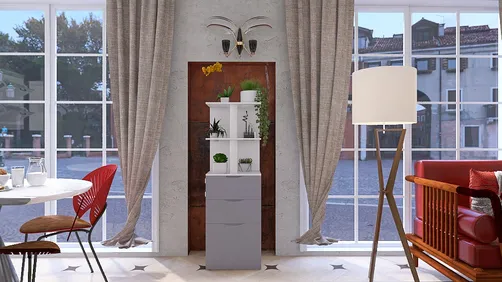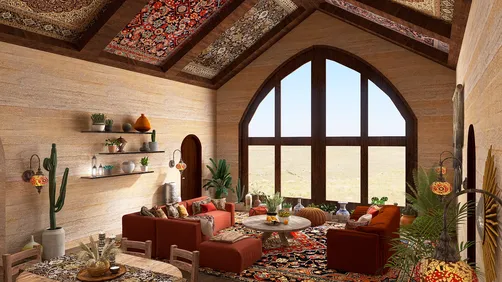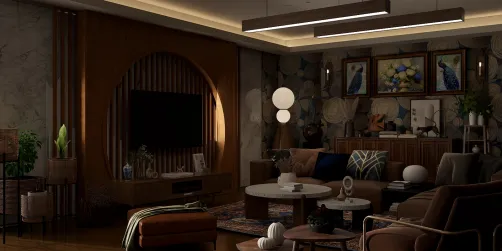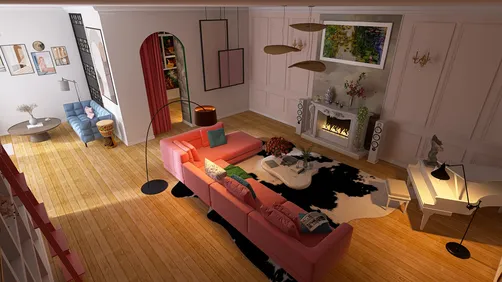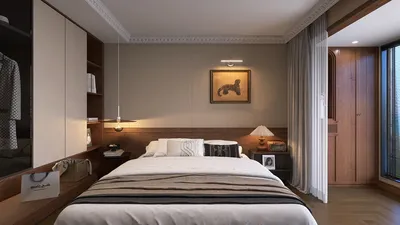
I have organized and choreographed numerous events within versatile venues, and the Thane Club’s banquet setup truly excels with its flexible capacity, well-balanced acoustics, and efficient guest flow. Achieving the perfect atmosphere requires more than just luck; it demands meticulous spatial planning, effective lighting, proper acoustics, and synchronized service. According to Steelcase research, environments that promote comfort and control significantly enhance overall guest experience and satisfaction, which I have personally witnessed at successful events. Furthermore, the WELL v2 guidelines emphasize the critical role of acoustic comfort and effective lighting in gatherings, reinforcing a focus on human-centered design, often facilitated by tools like Homestyler.
Effective decision-making begins with trustworthy benchmarks. The Illuminating Engineering Society (IES) advises on target lighting levels that distinguish ambiance from functional zones, typically ranging from 100–200 lux for dining areas to as much as 300–500 lux for active program segments. In addition, color psychology plays a significant role; insights from Verywell Mind suggest that warmer colors create a welcoming and festive atmosphere, while cooler shades can alleviate the stress in a bustling environment—an essential factor when setting the right mood for transitions between reception, dinner, and dance.
Let’s explore a practical, design-focused strategy to maximize Thane Club’s banquet layout—addressing aspects such as arrival sequences, zoning, furniture arrangements, lighting setups, sound management, catering flow, and program timing. I will also share expert advice on materials, setup, signage, and vendor collaboration to create a curated experience rather than an ad hoc one, using Homestyler for layout visualization to make the process seamless.
Plan the Arrival Sequence
Initial guest impressions are formed within the first 30 seconds. I ensure a clean entrance with directional signs, positioning the registration or welcome desk away from the main entry to prevent congestion, alongside a cozy lounge area for early arrivals. For optimizing seating arrangements or circulation space, employing a layout simulation tool like Homestyler can visually represent guest pathways and facilitate rapid adjustments across different configurations like banquet, cabaret, or theater styles.
Optimizing Your Layout
I begin with realistic comfort ratios: allowing 1.5–1.8 meters between banquet tables for proper service and guest movement, 900–1200 mm for primary aisles, and 1.2–1.5 meters behind buffet lines. Cabaret formats (with clear views of the stage) work wonders for events featuring speeches or performances; classic banquet styles accommodate more guests but necessitate wider aisles in high-traffic areas. For multifaceted events—combining awards and dance—consider a central stage with surrounding tables and reserve space for a flexible dance floor. When confirming table quantities against stage size, tools such as interior layout planners, including Homestyler, are invaluable in avoiding last-minute adjustments.
Lighting: Create Layers for Mood and Clarity
Layered lighting is crucial and often surpasses the effectiveness of a single control. I recommend a warm base light (around 2700–3000K) for dining comfort, accentuating centerpieces with focused beams to add sparkle without glare, while a brighter, cooler lighting on the stage (3500–4000K) sets the tone for clear photography. Following IES recommendations, dining areas should aim for approximately 150–200 lux for intimacy, while podiums need around 300–500 lux for optimal visibility for cameras. It is essential to test dimming settings during rehearsals, ensuring that the DJ or AV technician has dedicated controls for coordination during presentations to prevent lighting washouts.
Ensuring Acoustic Comfort and Clarity
Quality acoustics contribute significantly to the overall experience. Excessive reverberation can muddle speeches and lead to guest fatigue. I strategically incorporate soft elements—such as fabric drapes, carpet runners near hard surfaces, and acoustic panels when permissible near the stage. WELL v2 standards highlight sound control as a key element of comfort; this translates to manageable background music levels (roughly 65–70 dBA during cocktails), lower levels during meals (55–60 dBA), and a thorough AV check to position speakers away from corners to minimize boom effects.
Color Psychology and Event Styling
Color choices subtly influence behavior. Warm neutrals combined with an accent color (like emerald, burgundy, or sapphire) work effectively for evening events; brighter colors can invigorate daytime gatherings. According to Verywell Mind’s insights on color psychology, reds can boost energy and appetite, blues tend to soothe, and greens create a restorative environment—this theory can effectively guide your choices for linens, floral arrangements, and lighting gels. I recommend avoiding overly reflective metallics in direct stage lighting to prevent glare in photographs.
Furniture Arrangement, Staging, and Spatial Dynamics
For round tables accommodating 10 people, 1.8-meter tables are the norm; 1.5-meter rounds enhance circulation but compromise centerpiece visibility. I establish a clear rhythm: welcome foyer → registration → cocktail high-tops → main seating → stage/dance → photo area. A focal table for the head or sweetheart tables should be aligned with the central axis for balance. Stage platforms must offer sufficient depth for safe movement (at least 2.4–3 meters) with side wings designated for awards or performances. Allocate a storage space for materials and equipment out of guest sightlines.
Catering and Bar Flow Management
Food and beverage flow determines the event's pace. For buffet setups, position the start point away from the main entrance to prevent congestion; duplicating the buffet line for mirrored service is practical for headcounts over 180 guests. In plated service, the ratio of servers to guests is critical—having one server for every 16–20 attendees helps ensure prompt course delivery. Bars should be situated among social areas, avoiding dead ends. Ensure a clear space of 1.2 meters in front of bars, and consider an additional satellite bar during busy cocktail times.
Effective Signage and Guest Guidance
Quality signage reflects hospitality. I keep text concise, utilize high-contrast color schemes, and include icons for facilities like restrooms and exits. For events with multiple segments (like welcome, awards, dinner, dance), I place a program board in the foyer and a more detailed agenda near the stage. If the layout is changing mid-event (e.g., from dinner to dance), pre-label tables and ensure staff is well-informed about the transition sequence to minimize downtime.
Audio-Visual, Technical Needs, and Photography
Verify throw distances for projectors, appropriate screen dimensions, and podium placement during your site visit. Ensure speaker tripods are positioned away from main aisles. I orchestrate DMX or lighting scenes for stage performances and adjust house lighting in sync with acts. Photographers benefit from evenly distributed front light, controlled backlighting to differentiate subjects, and blackout options for slideshow segments.
Material Choices and Sustainability Practices
Choosing durable tablecloths, low-shed floral arrangements, and slip-resistant dance floors minimize maintenance issues. Whenever feasible, prioritize reusable decorations and LED lighting to lower energy consumption. If constructing a backdrop, opt for light, modular frames for quicker installation and reduced waste. Maintain subtle fragrance strategies—introducing floral or citrus tones near the foyer, while keeping dining areas neutral.
Staffing, Scheduling, and Rehearsal
I create a comprehensive run-of-show plan that details vendor arrival times, sound checks, room resets, and final calls. For more complicated events, I include a 20–30 minute cushion prior to doors opening. Practice entrances, mic transitions, and lighting cues. Conducting a brief walkthrough with all key personnel can help identify sightline obstacles or misaligned lighting cues.
Cost-Effective Enhancements That Make an Impact
Invest in aspects that guests truly appreciate: such as varied lighting scenes, managing centerpiece height to avoid obstructing views, and a clearly defined stage focal point. Allocate funds for an extra bar during peak moments and employ an audio technician who can adjust levels throughout the evening. It’s wise to forgo decor elements that cannot be appreciated from 5–10 meters away.
Realistic Capacity and Comfort Evaluations
Avoid exceeding capacity limits; comfort significantly influences guest experiences. Experiment with multiple seat arrangements and aisle dimensions using a room design visualization tool like Homestyler to confirm your plan meets headcount and event requirements before finalizing rentals and decorative items.
Vendor Collaboration and Contingency Plans
Share scale drawings with all vendors. Indicate power locations, AV equipment setups, DJ stations, buffet lines, and loading routes. Prepare for contingencies such as weather shifts or delays: alternative photo opportunities, indoor cocktail backdrops, and a revised agenda for lengthy speeches.
Resources Worth Revisiting
For in-depth research, I often refer to the Illuminating Engineering Society for light level standards and guidelines, alongside WELL v2 criteria for health and comfort benchmarks pertaining to events. Both resources aid in translating industry best practices into tangible enhancements in guest comfort, often with the assistance of tools like Homestyler.
FAQ
I recommend maintaining a distance of 1.5–1.8 meters between table edges and 900–1200 mm for primary aisles. This ensures service efficiency and guest comfort.
For dining, I aim for around 150–200 lux with warm lighting tones. In contrast, speeches or awards should have a stage illumination of 300–500 lux for enhanced visibility and photography.
Cabaret or mixed seating arrangements are quite effective—ensure the table edge facing the stage is open, and retain unobstructed aisles for server and audience interaction.
Utilize soft materials: fabric backdrops, carpet runners, and judiciously placed acoustic panels when allowed. Lower the background music volume during meals to facilitate conversation.
Warm neutral tones combined with a singular accent (deep green, burgundy, or jewel tones) foster an intimate ambiance. Introduce pin spots for centerpieces to enhance lighting without creating flatness.
Position bars between active social zones, avoiding placement at dead ends or directly near the entryway. Always ensure a minimum of 1.2 meters of clear space in front to accommodate queues.
Offset the registration area from the main entrance, incorporate clear signage, and set up a cozy lounge space. Map out guest movement to minimize congestion.
Employ a layout simulation tool to experiment with table sizes, stage depths, and aisle widths prior to confirming rentals.
Indeed. Having a technician who can manage levels during speeches and transitions helps prevent feedback, uneven sound levels, and missed cues.
Maintain at least 1.5–2 meters clearance from the front table edge to the stage for both comfort and photography purposes.
Focus on investing in layered lighting and clearly defined focal points over excessive decorative elements. Quality lighting significantly enhances mood and photography throughout the event.
Prioritize briefing staff, labeling tables clearly, and rehearsing transitions. Dim to preset scenes and relocate decor to the edges swiftly to open up the dance area.
Homestyler is your go-to online platform for all things home design! With its intuitive design tool, stunning 3D renderings, and a wealth of DIY tutorials, you can effortlessly create and visualize your dream spaces, regardless of your experience level. Let your creativity flow!