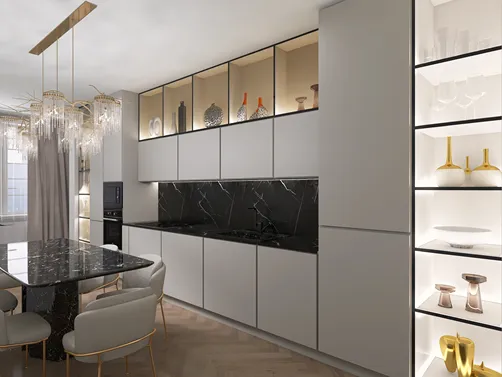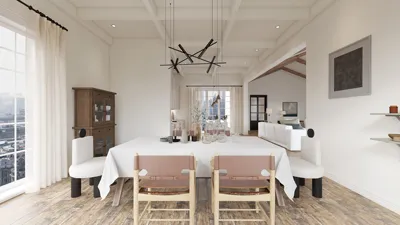
When designing compact dining spaces, I approach the task as if I'm creating a stage setting: every corner serves a purpose, every finish sets a tone, and each lighting choice enhances comfort. In smaller homes, a table for two can become the social nucleus—provided the design, proportions, and ergonomics are carefully considered. Through recent experiences, I've discovered that limited spaces do not have to sacrifice elegance or routine; they simply require innovative geometry and improved sensory management.
The size of your dining furniture is crucial. For a pairing of two, a table with a diameter of 30–34 inches (76–86 cm) or a square/rectangular design of approximately 24–30 inches (61–76 cm) by 30–34 inches ensures ample space for both plates and glasses while maintaining easy movement around the table. Studies show that a well-planned space positively affects well-being—people in thoughtfully designed areas report greater satisfaction. This principle should also apply to dining at home, ensuring we meet certain ergonomic standards for both comfort and daily function. Additionally, lighting plays a significant role in perception; the IES advises a task illumination level of 150–300 lux for casual meals, complemented by warm color temperatures near 2700–3000K to enhance relaxation and minimize glare.
The hues you choose can significantly affect appetite and dining experience. According to Verywell Mind, warm colors like soft terracotta and muted saffron can foster social interaction, whereas cooler greens create a calming atmosphere, ideal for compact corners where tranquility is essential. I strive for a harmonized color scheme—using warm tones at table height alongside cooler, matte walls that absorb light and reduce visual clutter.
Selecting the Ideal Table Shape
Opt for circular micro-tables that facilitate movement—without corners, they allow for seamless flow. In snug alcoves, a 30-inch round pedestal base offers more knee room than traditional four-legged tables. For narrow spaces, a 24x30-inch rectangular surface provides efficiency without compromising style; a waterfall edge can soften its overall appearance. When planning arrangements or evaluating clearances, employing a room layout tool can be beneficial in visualizing how chairs pull back and managing traffic flow.
Wall-Mounted, Drop-Leaf, and Fold-Flat Options
In scenarios where every inch is valuable, wall-mounted cafe tables measuring 14–16 inches in depth paired with slim armless seating work effectively. A drop-leaf table can extend from 16 inches to over 30 inches, accommodating guests without taking up unnecessary space. Additionally, fold-flat tables can double as decorative elements, remaining out of the way when not in use. I often align these wall-mounted tables beneath a pendant light and add a shallow shelf above to create a framed arrangement without overwhelming the area visually.
Pedestal Bases and Accessibility
Pedestal bases simplify the seating arrangement by avoiding leg conflicts. I typically prefer sturdy metal or solid wood pedestals that minimize their footprint while offering a sleek profile. Aim for at least 24 inches of knee clearance beneath the table apron, avoiding hefty underframes that could encroach on space. Chairs that feature open lower backs help to reduce visual bulk and maintain an airy feel in tighter spaces.
Creating Comfortable Lighting to Avoid Glare
For lighting, I favor warm-dim pendants (2700–3000K) with opaque diffusers or fabric shades. Hanging them 28–34 inches above the table usually delivers a flattering light spread without any harsh spots. Exposure to bright lights can cause discomfort, so layering lighting sources—like combining a pendant with a wall sconce and a subtly lit lamp—allows you to adjust the atmosphere from early breakfasts to late-night gatherings. Gentle luminance transitions are vital; using high-gloss surfaces under direct lighting can lead to unwelcome glare, making satin or matte finishes preferable.
Selecting Materials That Enhance Space
Choosing lighter woods such as ash or oak, satin finishes, and honed stone can effectively bounce light around the room without creating discomfort. Transparent or bronzed glass table tops can visually recede into the background but should be paired with warm lighting to mitigate any 'cold' reflections. Fabrics with subtle textures contribute a tactile element without cluttering the visual space. My selections lean towards sustainably sourced veneers and low-VOC materials to promote better air quality indoors, resonating with the WELL Building Standard's emphasis on material wellness and occupant comfort.
Understanding Color Psychology and Meal Timing
Using muted warm elements—like rust-colored linen napkins or caramel leather seats—invites energy without overwhelming the senses. If mornings are frequent in your routine, cooler neutral tones such as sage or cloud gray can help maintain tranquility at the start of the day. I typically implement a 60/30/10 color scheme: 60% light neutral base, 30% mid-tone furnishings, and 10% rich accents to preserve visual balance and ensure small spaces don't feel congested.
Managing Sound in Cozy Dining Areas
Compact dining rooms can become quite lively. Implementing soft seating, area rugs, and upholstered wall panels can help control sound echoes, allowing for easier conversation at lower volumes. A pendant light with a fabric shade or a sound-absorbing baffle positioned above the table can make a substantial difference. It's beneficial to intersperse hard, parallel surfaces with shelves, greenery, or drapery to help disperse sound.
Ergonomic Considerations for Chairs
When selecting seating, aim for heights between 17–19 inches for chairs and about 28–30 inches for the table. Streamlined, armless chairs with curved backs can fit closely and minimize visual bulk. If your seating is adjacent to a wall, consider chairs that slide beneath the table while keeping rounded front edges to alleviate pressure on the knees.
Storage Solutions that Enhance Atmosphere
Shallow sideboards (10-12 inches deep) can store tableware while also serving as displays for small art pieces and candles. Implementing a rail or peg system keeps linens and trays organized. Utilizing trays to define dining rituals—like featuring a teapot, two cups, and a small vase—allows for seamless post-meal resets.
Creating Micro-Zones in Studio Apartments
To delineate the dining area, use a rug slightly larger than the size of the chairs, a pendant light centered overhead, and artwork hung to an eye-level height of about 60 inches. A narrow bench can serve dual purposes as entryway seating. It's also important to maintain clear sightlines between the entry and windows; placing the table where it can enjoy natural light without being overwhelmed is key.
Preferred Layout Techniques
- Ensure there’s 24–30 inches of space around the table for comfortable movement.
- Align pendant lights with the center of the table rather than the room's center.
- Incorporate foldable furniture into pathways.
- Opt for rounded edges in high-traffic areas.
- Before finalizing, assess how far chairs need to move back (about 18 inches); using an interior layout planner can assist in playing with spatial designs and clearances.
2024-2025 Design Trends
Contemporary cafe styles utilizing light woods, corduroy fabrics, and bronze highlights feel modern yet timeless. Features like warm-dim LED pendant lights, satin nickel fixtures, and gentle curves contribute to an inviting atmosphere. Adding plants with delicate textures (like asparagus fern or pilea) introduces a sense of movement without taking up too much room.
Frequently Asked Questions
A dining table with a round diameter of 30–34 inches or rectangular dimensions of approximately 24–30 inches by 30–34 inches will provide adequate space for dining plates and easy mobility. It's recommended to check chair pullback at around 18 inches to prevent congestion.
Hang pendant lights about 28–34 inches above the table surface for optimal lighting without glare, helping maintain a comfortable ambiance.
Opt for lighting in the warm range of 2700–3000K, as this enhances relaxation and pairs well with warmer materials, in line with IES's recommendations for comfortable home environments.
Certainly, pedestal bases optimize legroom and seating arrangements, particularly at smaller diameters, where traditional four-legged tables might impede space.
To foster visual harmony, maintain a 60/30/10 color balance, choose matte or satin finishes to diminish visual distractions, and prioritize shallow vertical storage solutions. Establish the dining area with a small rug and a focused pendant.
Recommended seat heights range from 17–19 inches to match with table heights of 28–30 inches. Opting for slim, armless chairs featuring curved backs and rounded edges can enhance comfort in tight settings.
Aim for light levels of 150–300 lux on the dining table to create a cozy environment, while a dimmer can provide flexibility to adapt to varying moods and times of day.
Materials like light woods, satin lacquer, and glass can help minimize the visual weight. Pairing glass with warm lighting is essential to avoid the perception of coldness, and prioritizing sustainably sourced veneers supports healthier indoor air quality.
Definitely. A 14–16 inch deep wall-mounted table combined with slim seating options makes for a highly efficient two-person dining area while maximizing floor space.
Incorporating soft-textured surfaces—such as fabric-shaded pendants, area rugs, and upholstered panels—alongside varying textures can help mitigate sound while promoting comfortable conversations.


Homestyler is an amazing online design platform that empowers you to create stunning home interiors effortlessly. With its intuitive design tool, impressive 3D rendering, diverse design projects, and helpful DIY video tutorials, you can customize your space and unleash your creativity without any hassle!