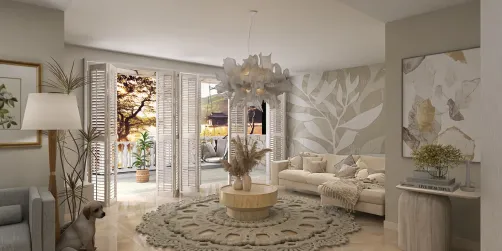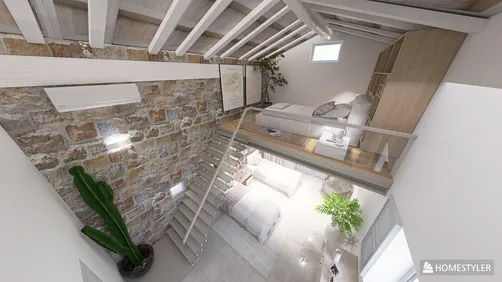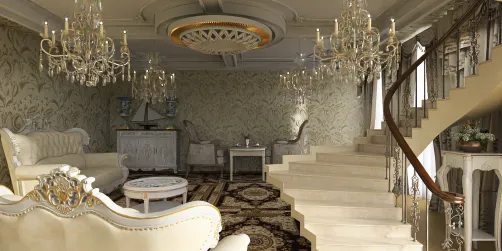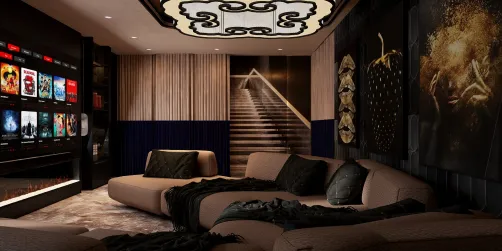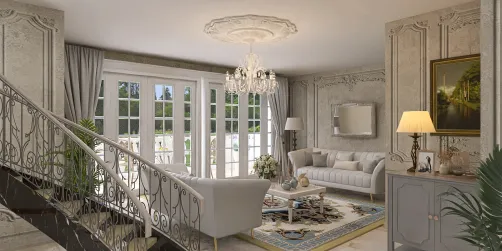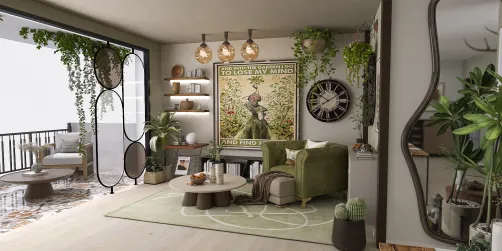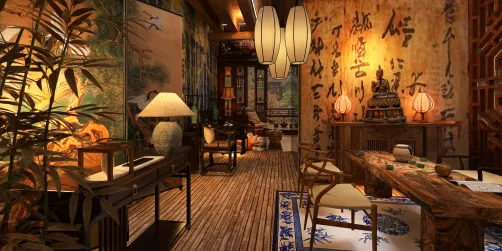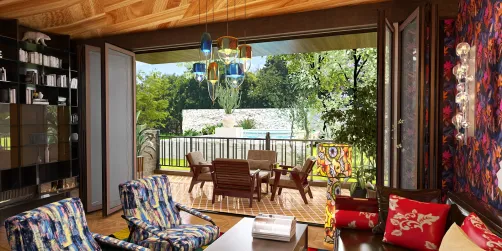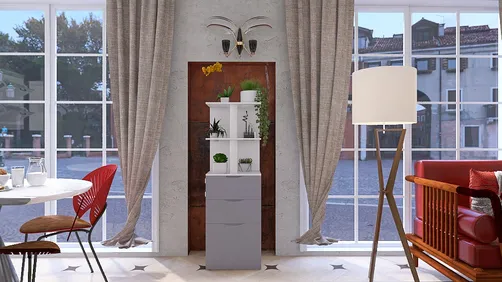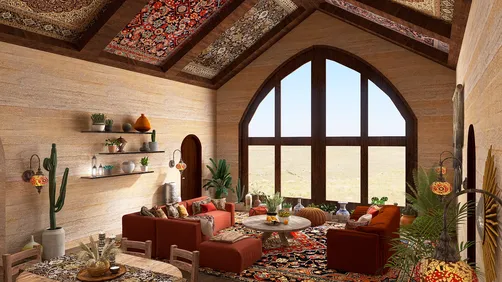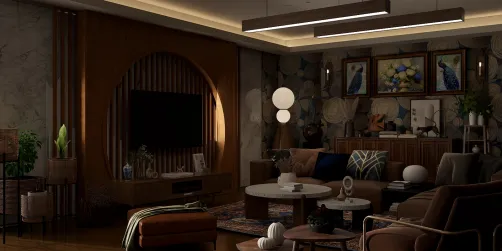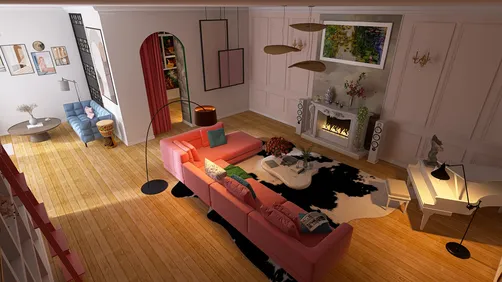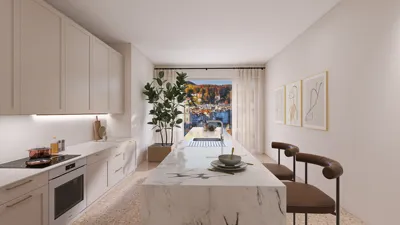
Having designed numerous compact living rooms over the last ten years, I particularly enjoy working with spaces around 14x14 and 14x16 feet. These dimensions necessitate thoughtful planning while allowing for a sense of openness when the flow is managed effectively and furniture is appropriately sized. The key to these designs is establishing a clear focal point, selecting proportionate seating, and creating subtle zones without hindering movement throughout the area. Utilizing tools like Homestyler can help visualize these elements in your own space.
Before I start sketching, I establish reliable comfort benchmarks. The WELL Building Standard suggests aiming for an illuminance of approximately 150 to 300 lux in living areas, which should include a combination of ambient and task lighting, as well as color temperatures in the 2700 to 3000K range to foster relaxation. Additionally, noise can significantly impact the comfort level in shared environments, such as living rooms. Research from Steelcase indicates that excessive noise can disrupt focus and wellbeing, making it essential to incorporate acoustic solutions like textiles, rugs, and wall panels. Keeping these insights in mind is vital for balancing light, materials, and seating density from the beginning.
The scale of furnishings is also important. The Illuminating Engineering Society (IES) recommends balanced ambient lighting alongside focused task lighting to reduce glare and eye strain in residential settings. Behavioral studies in color psychology reveal that calming hues like warm neutrals and muted greens can help foster a peaceful atmosphere, whereas vibrant reds and yellows may energize a space—perfect for accents but not for main wall colors. I leverage these guidelines to choose paint and fabrics that help set the mood in a compact living room, especially when using design tools like Homestyler.
Essential Considerations for 14x14 Living Rooms
Within a 14x14 space, I prioritize creating a seating arrangement centered around a singular focus point, whether it's a fireplace, media wall, or large window. Here, circulation is more critical than adhering strictly to the golden ratio. I maintain clear pathways of 30 to 36 inches along primary routes and 18 inches around coffee tables to enhance usability. Typically, sofas in the range of 72 to 84 inches fit well; larger options may crowd the area. Incorporating two lounge chairs, each measuring 28 to 32 inches, offers flexibility for additional guests without locking the layout into a specific arrangement.
When it comes to lighting, I utilize a three-layer approach: a dimmable ceiling wash, such as recessed lights or a central pendant with a diffuser, task lamps positioned at seated head height (around 42 to 48 inches), as well as accent lighting for artwork or shelves. To minimize glare, I ensure the beam spreads are wide and position no downlights directly above seating areas. For acoustic comfort, I recommend a dense 8x10 rug, lined curtains, and at least one upholstered wall element—this could be a fabric panel or a sizable tapestry—to absorb sound and enhance comfort.
During the planning stage, I often use an interior layout planner to test various configurations and validate clearances, particularly where doors open or windows are situated. Using a straightforward layout simulation tool helps eliminate guesswork, reducing revisions during the furniture selection process. Tools like Homestyler allow me to experiment with two or three layout options seamlessly.
Layout Strategies for 14x14 Rooms
- 80-inch sofa facing a key feature wall.
- Two armless chairs positioned next to a round coffee table (40 to 44 inches).
- An 8x10 rug serves to centralize the front legs of all furniture.
- A low media console maintains open sightlines across the room.
This arrangement promotes symmetry and tranquility. A round coffee table encourages smooth circulation and the use of armless chairs conserves space near doorways.
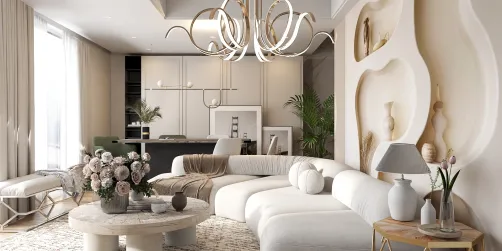
- A compact sectional (92 to 100 inches on the longer side) nestled into a corner.
- A slender floor lamp and side table (20 to 24 inches) tucked into the nook.
- Wall-mounted shelves to liberate floor space.
- A swivel chair across from the chaise to enhance conversation dynamics.
With this setup, the swivel chair can quickly pivot to face either the TV or fireplace, while the corner-hugging sectional maintains open pathways.
- A love seat (72 to 76 inches) centered on a window.
- Two lightweight chairs angled inward (28 to 30 inches each).
- A narrow console (14 to 16 inches deep) positioned behind the love seat for lamps.
- Ottomans that can be tucked away under the console to accommodate extra guests.
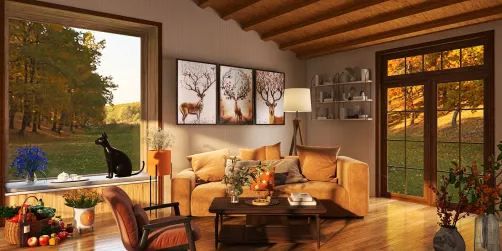
This arrangement maximizes the use of natural light as the main focus. I recommend keeping finishes matte to minimize glare during strong afternoon sunlight.
Fundamental Principles for 14x16 Living Rooms
Having an extra two feet transforms the room from square to a near-rectangle, which naturally invites subtle zoning. I establish a primary conversation area and a secondary functional space; this might be for reading, a small desk, or a soft-play corner for children. Although I maintain a circulation space of 30 to 36 inches, I increase the rug size to 9x12 to visually unify the seating area while leaving a thin border of flooring around the edges (3 to 6 inches) so the rug feels distinct rather than wall-to-wall.
Furniture dimensions can expand slightly: a sofa measuring 90 to 96 inches feels comfortable, and chairs can have fuller arms without encroaching on circulation paths. For lighting, I include a second dimming circuit or smart scenes—one set for media usage, another for entertaining—to keep illuminance within the WELL-recommended range while adjusting contrast for screen viewing or conversation settings.
Layout Strategies for 14x16 Rooms
- Main area: 90 to 96-inch sofa accompanied by a pair of lounge chairs and an oval coffee table (48 inches).
- Secondary area: A 36 to 48-inch writing desk positioned behind the sofa alongside a task lamp.
- A 9x12 rug to anchor the primary seating zone, with a 3x5 flatweave rug placed under the desk.
The desk should face the room rather than a wall to maintain connectivity during informal work sessions. Early cable management is vital for maintaining a clean aesthetic.
- Low-profile sectional (100 to 108 inches) centered on a media wall.
- A swivel chair near the long-side of the circulation area.
- Floating shelves equipped with integrated LED strips (2700 to 3000K).
- Blackout-lined curtains if the TV wall aligns with windows.
By offsetting the conversational arrangement, I free up a clear pathway along one long edge of the space. It's crucial to select moderate reflectance values (LRV 40 to 60) on the wall opposite the media to decrease bounce light and minimize glare.
- Sofa directed toward the fireplace with two compact chairs angled at 45 degrees.
- A round café table (36 to 42 inches) nestled in the spare corner.
- A dimmable shared pendant light above the café table to keep the lounge area tranquil.
Choosing a round table enhances smooth flow and mitigates sharp corners disrupting passage.
Effective Zoning Strategies for Both Room Sizes
- Utilizing rugs as boundaries: select rugs larger than anticipated—an effective rule for compact rooms is to have front legs on with back legs off.
- Light for purpose: brighter along the edges to create a spacious feel, slightly dimmer in the center for intimacy. Keep the color temperature warm (2700 to 3000K) to promote relaxation, supporting WELL v2 recommendations.
- Visual balance: alternating solid pieces (sofa) with lighter items (open-base chairs, slender tables) prevents overwhelming visual weight.
- Discreet storage: wall-mount the TV, use a low floating credenza, and incorporate tall yet narrow cabinets (12 to 14 inches deep) for books and decorative baskets.
Designing with Ergonomics in Mind
Opting for seat depths of 20 to 22 inches comfortably suits most body types for upright conversations. Coffee tables should be 16 to 18 inches high alongside seat heights of 17 to 19 inches to facilitate easy reach. Side tables ought to meet or slightly fall below the arm height of chairs to avoid raising shoulders uncomfortably. I ensure the TV screen is at eye level from the main seat—placing the center of the screen about 42 inches from the ground for standard seating heights, making adjustments as necessary for recliners.
Color, Material Choices, and Acoustic Considerations
To manage light effectively, I prefer matte or eggshell finishes on walls to diminish glare, while textured upholstery helps diffuse sound. For rooms prone to echo, I often add a second layer of rugs (flatweave over plush) and use thick window treatments. A warm color palette of taupe, putty, and misty green calms the atmosphere, integrating vibrant accents through art and cushions instead of extensive painted surfaces. This strategy aligns with color psychology principles, which emphasize that saturated warm colors should function more as accents.
Natural Light and Window Treatment Strategies
Using sheers combined with lined curtains allows you to control natural light without sacrificing privacy. When dealing with intense afternoon sun, I recommend solar shades (with 3 to 5% openness) to cut down glare while preserving views. Positioning mirrors perpendicular to windows can help reflect light deeper into the room without causing direct reflections that strain the eyes.
Key Pitfalls to Avoid
- Avoid oversized sectionals that restrict corner space and create awkward walkways.
- Refrain from using diminutive rugs that make seating areas feel isolated.
- Ensure that downlights are not placed directly above heads, which can amplify shadows and discomfort.
- Steer clear of high-gloss finishes on walls opposite windows, as they can create glare and visual disturbance.
- Resist the temptation to push all furniture against walls—positioning it away can enhance the sense of space and improve conversational distances (aim for 6 to 8 feet apart).
Rapid Planning Workflow
I begin by measuring the space, scaling in key pieces, and testing two or three variations digitally. If faced with a decision between a square-centered setup and a two-zone configuration, I will quickly stage both options using an interior layout planner to assess clearances, rug placements, and lamp reach. A visual check using a room design visualization tool ensures I’m remaining mindful of bulkiness and ensuring adequate breathing room in the design.
Frequently Asked Questions
In a 14x14 living room, an 8x10 typically helps anchor the seating. For a 14x16 room, upgrading to a 9x12 rug can visually unify the conversation area.
For a 55 to 65-inch TV, a distance of 7 to 9 feet is optimal for viewing varied content. The center screen height should sit around 42 inches when considering standard seating.
Utilize matte or eggshell paints, place mirrors perpendicular to windows, opt for sheers with layered drapery, and select warm LEDs (2700 to 3000K). Supportive guidelines from WELL v2 highlight the benefits of warm color temperatures for relaxation.
Aim for approximately 150 to 300 lux of ambient lighting, supplemented with layered task and accent options per WELL v2 guidelines and IES recommendations. Implementing dimmer controls is crucial for fine-tuning different scenes.
Yes, it is possible, but keep it compact (around 92 to 100 inches on the longer side) and positioned in a corner to maintain a primary circulation path of 30 to 36 inches.
Layering a thick rug, using lined curtains, and including upholstered pieces can significantly enhance acoustic comfort. Incorporating soft wall decorations or fabric panels further minimizes sound reflections. Findings from workplace settings, including insights from Steelcase, emphasize the importance of noise control.
Opt for round or oval tables (40 to 48 inches) to soften pathways and reduce collision risk. Maintain an 18-inch gap between the seating edge and the table edge.
Consider floating a slim desk behind the sofa or employing a wall-mounted foldable unit. A visually light chair, coupled with organized cable management, will keep the space looking tidy.
Warm neutrals paired with muted greens or blues provide a serene base, with brighter, saturated colors used sparingly as accents to maintain equilibrium, in line with principles of color psychology.
No, placing the seating cluster on a properly sized rug often improves the conversational distances and creates an intentional rather than random arrangement in the room.



Homestyler is your go-to online home design platform, ideal for both beginners and seasoned decorators. With its user-friendly design tool, stunning 3D renderings, and helpful DIY video tutorials, you can effortlessly create and visualize your dream spaces. Transform your home today!