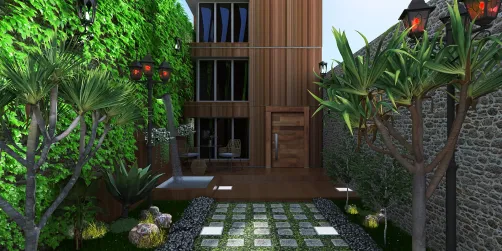
Crafting a landscape floor plan is vital for optimizing your outdoor area. This process not only maximizes functionality but also creates a visually appealing setting. No matter if your space comprises a quaint backyard or an expansive garden, a meticulously planned landscape design can significantly enhance your outdoor lifestyle. In this article, we’ll dive into the important aspects of effective landscape design and how to formulate a plan tailored to your needs, potentially using tools like Homestyler for better visualization.
Grasping the Layout of Your Area
Before embarking on the design journey, it is essential to thoroughly comprehend the layout and characteristics of your surroundings. Take precise measurements of your yard and document existing components such as trees, bushes, and structures. This understanding will aid in the seamless integration of new features into your landscape floor plan.
Establishing Your Objectives
What outcomes are you aiming for with your landscape design? Whether your vision involves creating a serene oasis, a social gathering spot, or a garden that thrives sustainably, setting clear objectives will steer your design decisions. Reflect on aspects such as:
Incorporating Essential Elements
To achieve a cohesive and practical landscape floor plan, contemplate the integration of these key components:
Designing the Structure
After defining your objectives and essential elements, begin sketching out your landscape floor plan. Utilizing graph paper or innovative design software like Homestyler can help accurately depict your space. Keep the following suggestions in mind:
Refining Your Blueprint
Once your landscape floor plan is drafted, take a moment to review your design critically. Confirm that it aligns with all your objectives and has a natural flow. Seeking feedback from friends or consulting a professional designer may help to polish your plan before execution.
Frequently Asked Questions
Q: What is the initial step in creating a landscape floor plan? A: The first task is to measure your outdoor area and assess its current elements.
Q: What strategies can I employ to ensure my landscape design is eco-friendly? A: Utilize native plants, install efficient watering systems, and choose porous materials for your project.
Q: Is hiring a professional landscape designer necessary? A: It may depend on your confidence and the intricacy of your project's elements. A professional can offer invaluable knowledge and guidance.