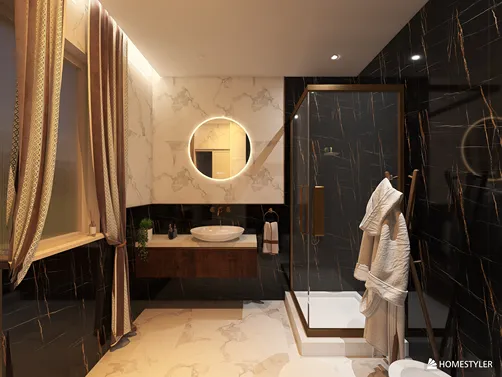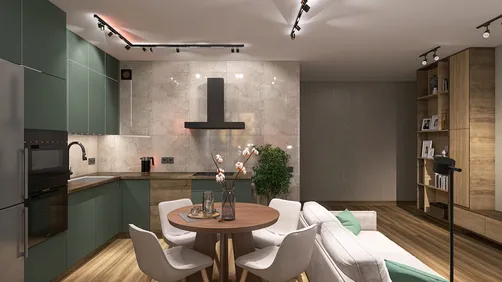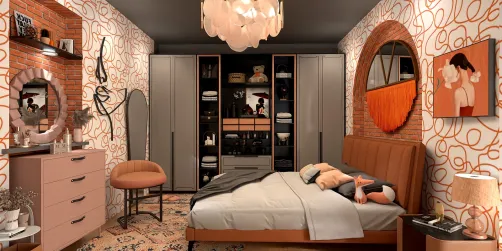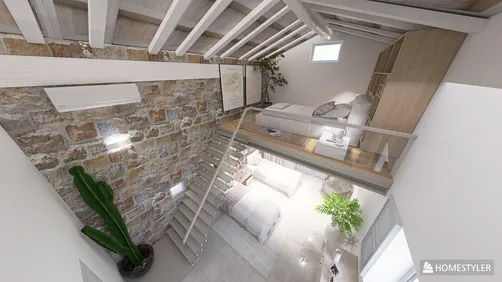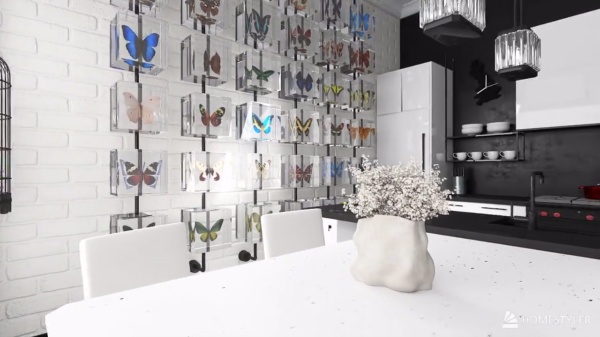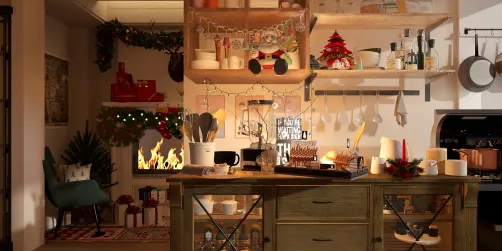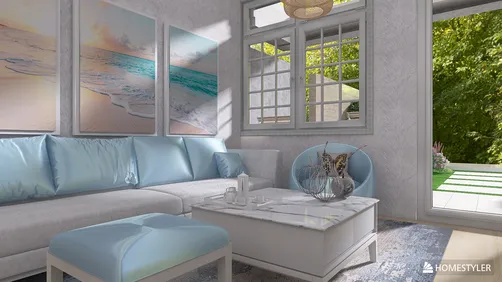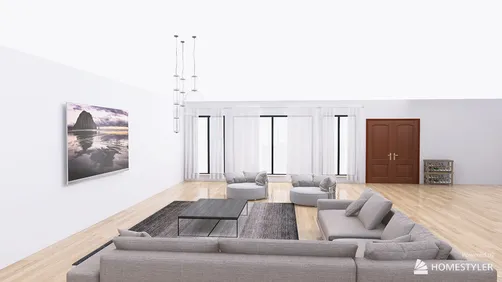
Are you interested in elevating your 3D rendering abilities and crafting impressively lifelike visuals using V-Ray? This detailed guide will explore effective methods and best practices for achieving photorealistic outcomes in your projects, integrating tools like Homestyler for enhanced functionality.
Getting Acquainted with V-Ray Fundamentals
To embark on your 3D artistry journey, it's essential to grasp the fundamental principles of V-Ray rendering. This robust rendering engine meshes effortlessly with various 3D modeling tools, including SketchUp, 3ds Max, and Rhino. A solid understanding of its interface, configurations, and capabilities is vital for producing top-notch renders.
Preparing Your Scene for Outstanding Results
The key to an exceptional render lies in meticulous scene preparation. Take note of these aspects:
Lighting Techniques to Achieve Realism
Lighting is crucial in delivering realism in your renders. Explore these lighting strategies:
Crafting and Fine-Tuning Materials
Developing materials that mimic their real-world equivalents is fundamental. Concentrate on:
Enhancing with Post-Processing Techniques
Even the finest renders can benefit from post-processing efforts. Utilize software like Photoshop to:
Common Inquiries
Q: What software is essential to utilize V-Ray? A: V-Ray is compatible with numerous 3D modeling applications, including SketchUp, 3ds Max, Rhino, and Cinema 4D.
Q: What methods can I implement to boost the realism of my renders? A: Emphasize appropriate lighting, realistic materials, and meticulous attention to detail in your scene setup.
Q: Is post-processing critical for realistic rendering? A: Although not a requirement, post-processing can greatly improve the quality and visual appeal of your final images.
Welcome to the Leading Home Design Software