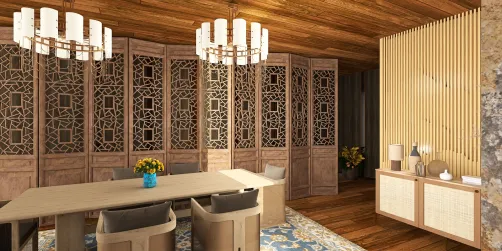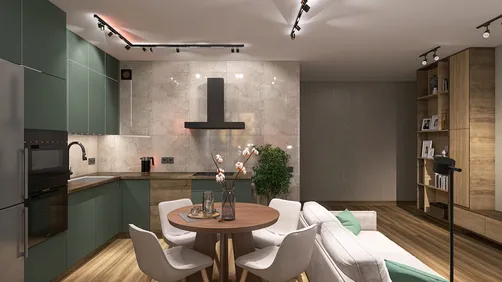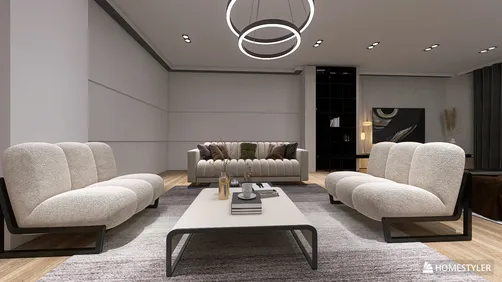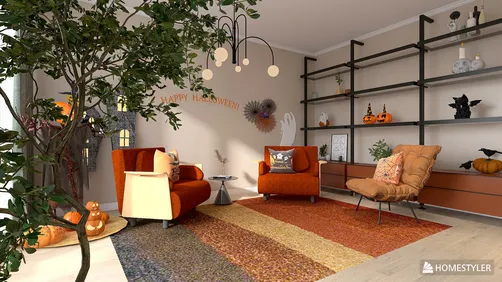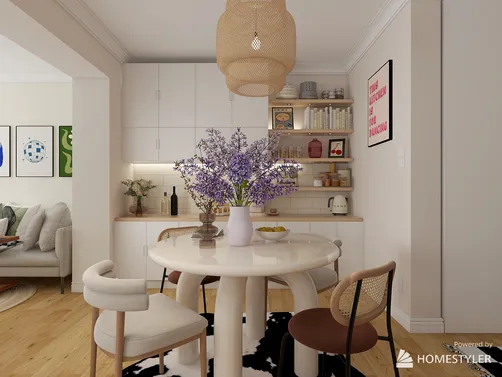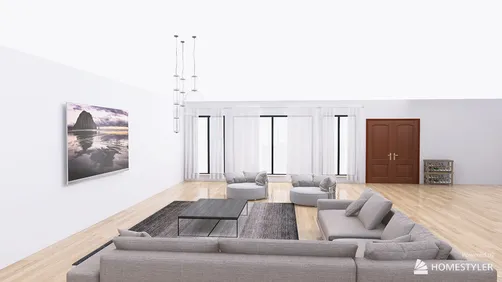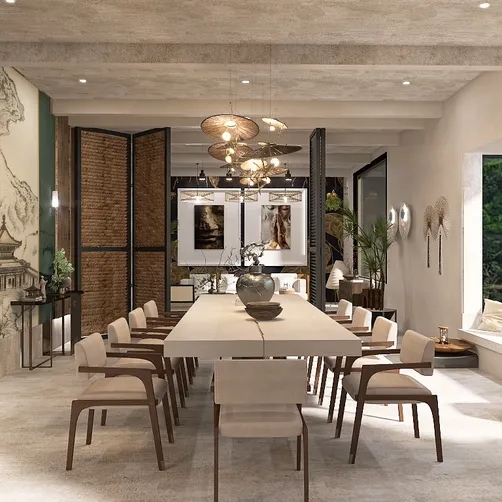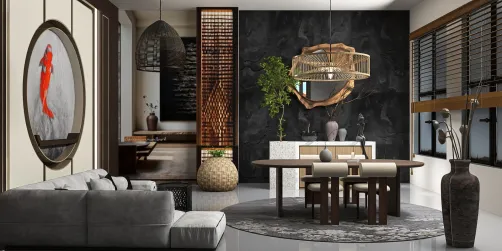
Developing a scaled floor plan is crucial for optimizing space utilization, particularly in compact areas. An expertly crafted floor plan not only enhances functionality but also retains stylistic elegance. Whether you're a homeowner seeking to reinvent your living area or a designer tasked with a project, mastering the creation of a scaled floor plan can significantly influence your design workflow.
Fundamentals of Scaled Floor Plans
A scaled floor plan offers a two-dimensional illustration of a space, depicting its dimensions and layout. Each component in the plan is represented in proportion to its real-world size, allowing you to envision how furniture and fixtures will occupy the area.
Step-by-Step Guide to Crafting a Scaled Floor Plan
To begin this process, you’ll require several essential tools:
Start by accurately measuring the dimensions of the room. Record the length and width of the walls, doors, and windows meticulously to ensure that your plan is functional.
Choose an appropriate scale for your project. Common options for scaling include:
This scale will dictate how you transcribe your measurements onto paper or utilize design software.
With your measurements and selected scale, begin drawing the walls of the room on your medium of choice. Be sure to denote the thickness of the walls, as this detail will influence your overall layout.
Next, pinpoint the placement of doors and windows. Don't forget to include their sizes and the direction in which they open to ensure practical designs.
Incorporate any built-in elements like closets, shelving, and appliances. This will help visualize how movable furnishings will fit within the overall design.
Now, introduce your furniture! You may either cut out scaled versions from paper or utilize digital platforms like Homestyler to drag and drop items into your plan. Experiment with various layouts to discover the most effective arrangement.
After positioning your furniture, take a moment to step back and evaluate your design. Assess the flow and accessibility of the layout, making necessary changes to optimize the room's functionality.
Conclusion: Realizing Your Design Intent
Creating a scaled floor plan is an essential skill in the realm of interior design. By adhering to these guidelines, you can ensure that your design not only optimizes space but also remains visually appealing. Keep in mind that the key to successful design in smaller areas is rooted in thoughtful planning and creativity!
Common Inquiries
Q: What is the optimal tool for developing a scaled floor plan? A: There’s a variety of options available, ranging from traditional graph paper to contemporary tools like Homestyler. Choose one that aligns with your preferred workflow.
Q: How can I guarantee the accuracy of my measurements? A: It’s advisable to double-check your measurements and consider using a laser distance measurer for enhanced precision.
welcome to Use No.1 Floor Plan Creator