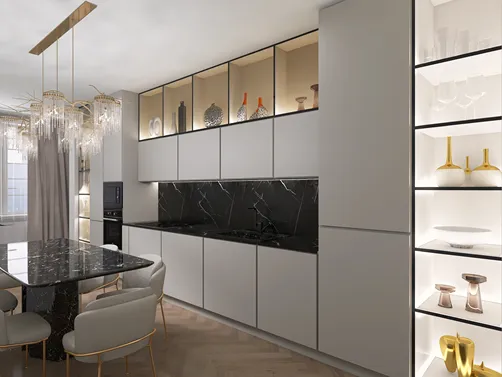
Creating a well-designed office floor plan plays a vital role in enhancing productivity and comfort levels. Regardless of whether you prefer a 2D or 3D format, grasping the fundamentals of space utilization is essential. Utilizing innovative solutions like Homestyler's Floor Planner, you can bring your concepts to life and design a workspace that meets your specific requirements.
Exploring 2D Office Floor Plans
2D floor plans offer a straightforward, overhead perspective of your office setup. They assist in visualizing how furniture, pathways, and the general flow of movement are organized within the area. As you work on your 2D office floor plan, keep the following factors in mind:
Developing 3D Office Floor Plans
3D floor plans elevate your design experience by introducing depth and realism to your workspace vision. This method helps you to effectively perceive how colors, textures, and furnishings will interact within the actual environment. For an engaging 3D office floor plan, consider the following steps:
Strategies for Optimizing Small Office Areas
When dealing with a compact office, it becomes crucial to maximize space effectively. Here are some strategies to consider:
Frequently Asked Questions
Q: What is the best approach to initiate the design of an office floor plan? A: Start by measuring your workspace, compiling a list of essential furniture, and analyzing your workflow before drafting your layout.
Q: How can I achieve a 3D visualization of my office design? A: Employ design software such as Homestyler's Floor Planner to create an accurate 3D representation of your office environment.
Q: What suggestions do you have for crafting a small office space? A: Emphasize the use of multi-functional furniture, clearly define different zones, and take advantage of vertical storage options.
Discover the Power of a Top-rated 2D Floor Planner