Creating a museum floor plan presents a distinct challenge that extends beyond mere design; it necessitates a comprehensive understanding of how visitors will interact with the space, engage with exhibits, and ensure the preservation of artifacts. An expertly crafted layout can greatly enhance the visitor experience, rendering it both enjoyable and informative. Whether your project involves a quaint gallery or an expansive institution, it's vital to consider these fundamental aspects when designing your floor plan.
Understanding Visitor Movement
Visitor movement is a key factor in museum design. It's important to allow guests to navigate the exhibits effortlessly. Take into account the following considerations:
Incorporating Versatile Spaces
Versatile spaces are critical in contemporary museum design. They facilitate adaptability for various programs and events. Elements to include are:
Prioritizing Accessibility
Accessibility serves as an essential aspect of any public venue. Ensure that your layout consists of:
Highlighting Natural Illumination
Natural illumination can profoundly enhance the overall ambiance of a museum. Consider these design features:
Frequently Asked Questions (FAQ)
Q: What essential components should be included in museum floor plan design? A: Important components encompass visitor flow, versatile spaces, accessibility, and the incorporation of natural light.
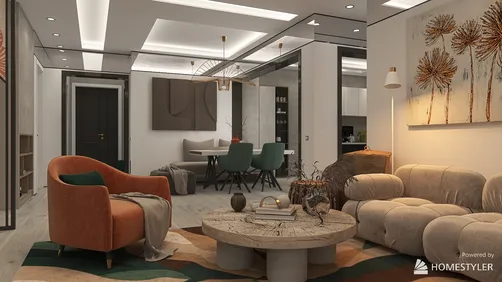
Q: How can I improve the visitor experience through thoughtful design? A: Aim to create intuitive pathways, designated rest areas, and engaging spaces for community activities, perhaps using tools like Homestyler to visualize these ideas.
Welcome to Your Number One Floor Planning Tool















![Design [4]](https://hs-designs.homestyler.com/production/design/images/07c2de3a-88ec-4be8-8910-ff255b795bc2/1731419398293/7841697.jpg?x-oss-process=image/resize,w_502,m_mfit/format,webp)