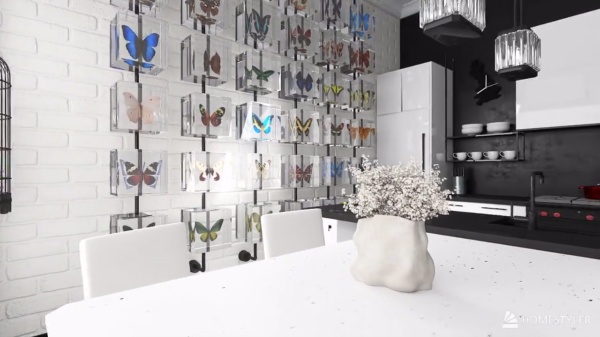
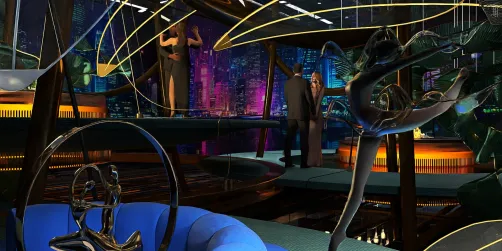
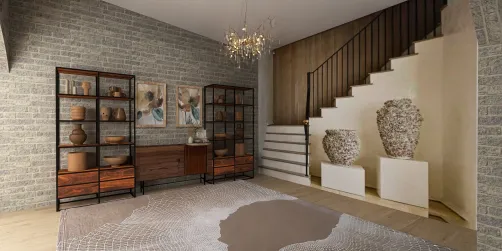
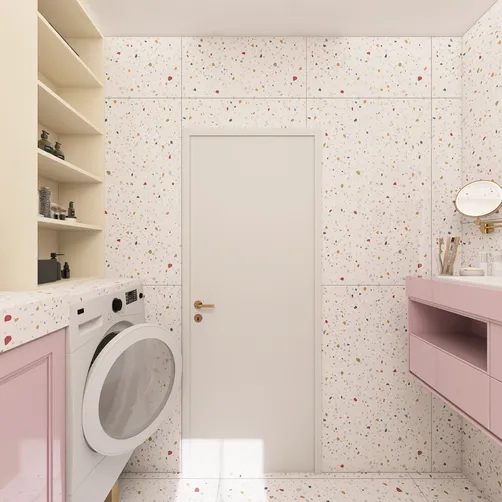
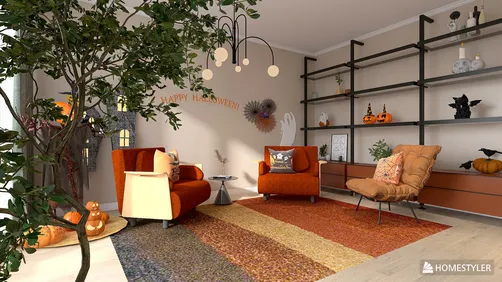
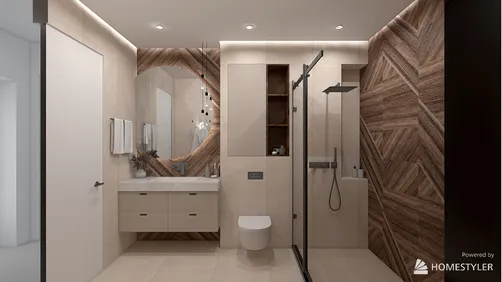
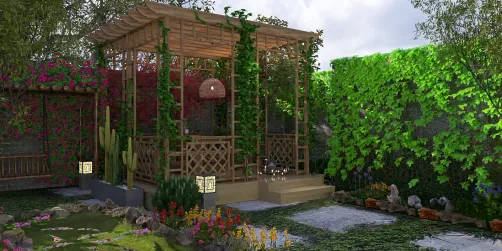
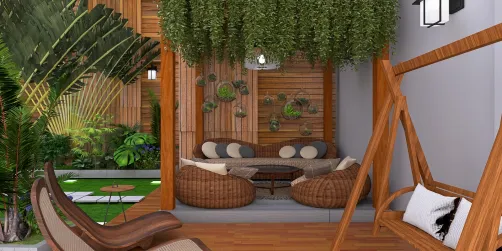
Rendering low poly models in 3ds Max can pose certain challenges, especially when trying to achieve a seamless finish. Nevertheless, utilizing proper techniques and V-Ray settings can greatly improve the visual quality of your models. This guide aims to assist you in smoothly rendering low poly designs, ensuring your final images appear refined and professional.
Grasping the Concept of Low Poly Models
Low poly models are typically defined by their low polygon count. They are particularly effective for enhancing performance, making them ideal for real-time applications. However, these models may sometimes look angular or lack detail upon rendering. The secret to a smooth render lies in striking a balance between preserving the low poly structure and applying appropriate rendering strategies.
Strategies for Achieving Smooth Renders
Utilizing smooth groups in 3ds Max is vital for determining how polygons are visually represented, resulting in smoother edge transitions. Ensure that your model's smooth groups are accurately configured for the best outcome.
You can apply V-Ray's mesh smooth modifier to improve the aesthetic quality of your low poly models. Tweak the iterations to find the right level of smoothness without excessively altering the model's structure.
Leverage V-Ray's rendering settings to enhance the quality of shadows and reflections. Elevating these settings can improve anti-aliasing, which is crucial for achieving smooth edges in low poly rendering.
Adequate lighting plays a significant role in upgrading the visual appeal of low poly models. Strategically placed V-Ray lights can create highlights and shadows that add depth to your designs.
After completing the render process, consider using post-processing tools to enhance the final output. Techniques like anti-aliasing, depth of field adjustments, and color correction can further refine the appearance of your rendered images.
Final Thoughts
Achieving smooth renders of low poly models using 3ds Max and V-Ray is entirely feasible when the correct methods and settings are applied. By comprehending the details of your model and harnessing V-Ray’s robust capabilities, you can produce stunning visuals that effectively highlight your low poly creations, making tools like Homestyler valuable for designing spaces around these models.
Frequently Asked Questions
Q: What settings ensure optimal rendering for low poly models? A: Concentrate on smooth grouping, applying mesh smoothing, and enhancing V-Ray render settings.
Q: Are low poly models suitable for use in video games? A: Absolutely, low poly models excel in gaming environments due to their efficiency and performance advantages.
Welcome to the premier home design software experience!